

Introduction:
Cholesterol has long been a focal point in discussions about heart health, with its dual nature as both a necessary substance for bodily functions and a potential risk factor for cardiovascular diseases. As the search for natural remedies to manage cholesterol levels continues, turmeric has emerged as a popular candidate. This article delves into the relationship between turmeric and cholesterol, examining its historical use, active compounds, scientific evidence, mechanisms of action, and practical applications in daily diets.
Understanding Cholesterol: Types and Health Implications
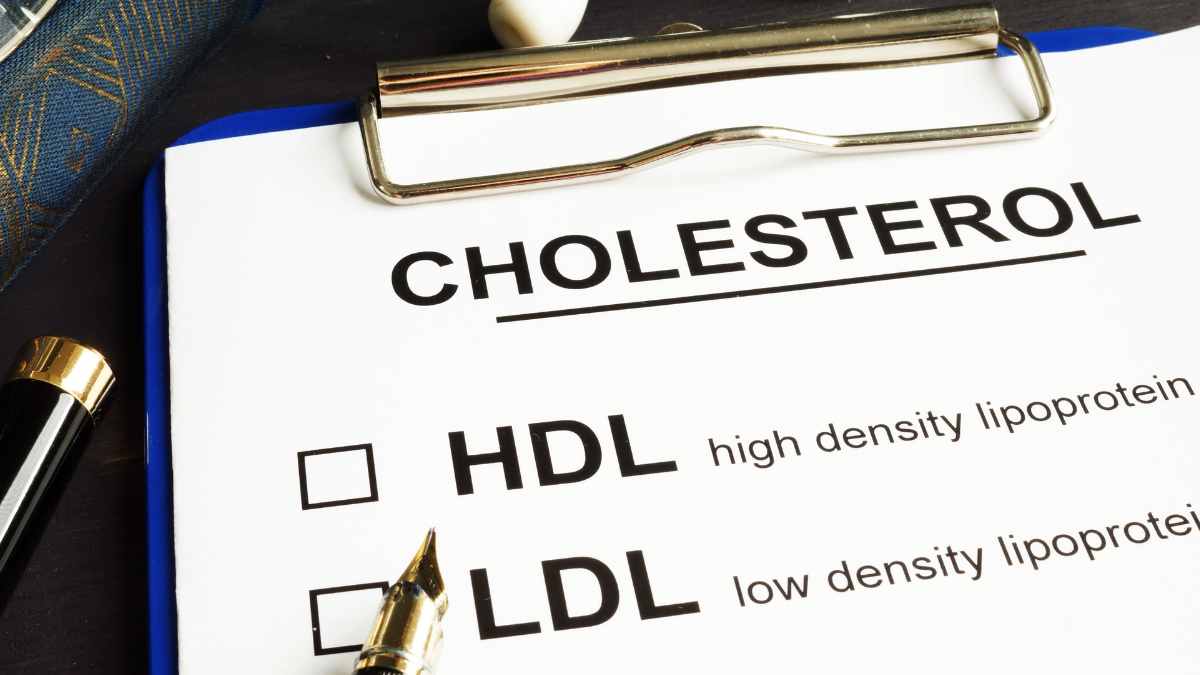
Cholesterol is a waxy, fat-like substance found in every cell of the body. It plays a vital role in producing hormones, vitamin D, and substances that help digest foods. However, not all cholesterol is created equal. There are two main types: low-density lipoprotein (LDL), often dubbed "bad" cholesterol, and high-density lipoprotein (HDL), known as "good" cholesterol. Elevated levels of LDL can lead to plaque buildup in arteries, increasing the risk of heart disease and stroke.
The balance between LDL and HDL is crucial for maintaining cardiovascular health. While HDL helps remove cholesterol from the bloodstream and transport it to the liver for excretion, high levels of LDL can contribute to atherosclerosis, a condition characterized by narrowed and hardened arteries. Therefore, managing cholesterol levels is essential for preventing heart-related issues, making dietary and lifestyle choices critical components of health management strategies.
Lifestyle factors such as diet, exercise, and smoking can significantly influence cholesterol levels. Diets high in saturated fats, trans fats, and refined sugars can elevate LDL levels, while those rich in fiber, healthy fats, and antioxidants can boost HDL levels. As a result, many individuals seek natural alternatives to pharmaceuticals for managing cholesterol, prompting interest in various dietary supplements and herbs, including turmeric.
Understanding the implications of cholesterol levels extends beyond individual health, as they are also a public health concern. Cardiovascular diseases remain one of the leading causes of death globally, emphasizing the need for effective strategies to manage cholesterol and promote heart health in populations.
The Role of Turmeric in Traditional Medicine Practices
Turmeric, a vibrant yellow spice derived from the rhizome of the Curcuma longa plant, has been utilized in traditional medicine for centuries, particularly in Ayurvedic and Chinese practices. Its use spans a wide range of ailments, from digestive issues to inflammatory conditions. The spice is celebrated not only for its culinary applications but also for its therapeutic properties, which have been documented in ancient texts.
In Ayurvedic medicine, turmeric is considered a powerful anti-inflammatory and antioxidant agent. It is often used to treat conditions such as arthritis, respiratory issues, and skin disorders. The holistic approach of Ayurveda emphasizes the balance of bodily systems, and turmeric is believed to play a key role in promoting overall health and well-being.
In recent years, the interest in turmeric has surged beyond traditional practices, as modern science seeks to validate its health benefits. Researchers have begun to explore the potential of turmeric as a natural remedy for various health conditions, including its effects on cholesterol levels. This shift from traditional to contemporary understanding reflects a growing trend towards integrating natural remedies into mainstream health practices.
Despite its long history of use, the scientific community is still unraveling the complexities of turmeric’s effects on health. As more studies emerge, the potential for turmeric to serve as a complementary approach in managing cholesterol levels is gaining attention, opening new avenues for research and application.
Active Compounds in Turmeric: Curcumin and Beyond
The primary active compound in turmeric is curcumin, which is responsible for its distinctive color and many of its health benefits. Curcumin possesses potent anti-inflammatory and antioxidant properties, making it a subject of extensive research in various health domains. However, turmeric contains other bioactive compounds, including turmerones, which may also contribute to its therapeutic effects.
Curcumin’s bioavailability is a significant consideration in its efficacy. Studies have shown that curcumin is poorly absorbed in the bloodstream when consumed alone. As a result, researchers have explored various methods to enhance its absorption, such as combining it with black pepper (which contains piperine) or using specialized formulations. This has led to the development of curcumin supplements that claim to offer improved bioavailability.
The health benefits of curcumin extend beyond cholesterol management. Research indicates that it may help reduce inflammation, improve cognitive function, and even exhibit anticancer properties. These multifaceted effects make curcumin an appealing candidate for holistic health strategies, particularly for individuals seeking natural alternatives to conventional medications.
Despite its potential, it is essential to approach turmeric supplementation with caution. The concentration of curcumin in turmeric is relatively low, and excessive consumption may lead to gastrointestinal discomfort or interactions with medications. Therefore, understanding the appropriate dosage and form of turmeric is crucial for achieving desired health outcomes.
Scientific Evidence: Turmeric’s Impact on Cholesterol Levels
Numerous studies have investigated the effects of turmeric and curcumin on cholesterol levels, with promising results. A systematic review of randomized controlled trials indicated that curcumin supplementation significantly reduced LDL cholesterol levels while increasing HDL cholesterol levels in participants. These findings suggest that curcumin may play a beneficial role in improving lipid profiles.
In animal studies, curcumin has been shown to lower cholesterol levels and prevent the formation of atherosclerotic plaques. These studies provide a foundation for further exploration in human populations, highlighting the potential of turmeric as a natural adjunct to cholesterol management strategies. However, it is essential to note that while the results are encouraging, more extensive clinical trials are needed to establish definitive conclusions.
The variability in study designs, dosages, and populations also complicates the interpretation of results. Some studies have reported significant reductions in cholesterol levels with curcumin supplementation, while others have shown minimal effects. This inconsistency underscores the importance of conducting well-designed, large-scale studies to better understand the relationship between turmeric and cholesterol.
As research continues to evolve, the potential for turmeric to be integrated into dietary recommendations for cholesterol management remains a topic of interest. Health professionals and researchers alike are keen to explore how turmeric can complement traditional dietary approaches to promote heart health.
Mechanisms of Action: How Turmeric Affects Lipid Profiles
The mechanisms through which turmeric and its active compounds influence cholesterol levels are multifaceted. Curcumin is known to modulate various biochemical pathways involved in lipid metabolism. One of the primary mechanisms is its ability to inhibit the activity of enzymes responsible for cholesterol synthesis, such as HMG-CoA reductase. By reducing the production of cholesterol in the liver, curcumin may help lower overall cholesterol levels.
Additionally, curcumin has been shown to enhance the expression of genes involved in lipid metabolism. This includes upregulating the expression of LDL receptors, which facilitate the clearance of LDL cholesterol from the bloodstream. By promoting the uptake of LDL by the liver, curcumin may contribute to a healthier lipid profile.
Moreover, the anti-inflammatory properties of curcumin play a crucial role in cardiovascular health. Chronic inflammation is a known contributor to atherosclerosis and other cardiovascular diseases. By reducing inflammation, curcumin may help protect against the progression of these conditions, indirectly supporting healthy cholesterol levels.
Lastly, the antioxidant effects of curcumin can also influence cholesterol metabolism. By neutralizing free radicals and reducing oxidative stress, curcumin may help prevent the oxidation of LDL cholesterol, a process that contributes to plaque formation in arteries. This protective effect further underscores the potential of turmeric as a natural ally in managing cholesterol levels.
Practical Considerations: Incorporating Turmeric in Diet
Incorporating turmeric into the diet can be both enjoyable and beneficial for health. Turmeric can be added to various dishes, such as curries, soups, and smoothies, enhancing flavor while potentially providing health benefits. However, it is essential to consider the bioavailability of curcumin when consuming turmeric in its natural form.
To maximize the absorption of curcumin, pairing turmeric with black pepper is highly recommended. Piperine, the active compound in black pepper, has been shown to enhance the bioavailability of curcumin significantly. Additionally, consuming turmeric with fats, such as coconut oil or olive oil, can also improve absorption, as curcumin is fat-soluble.
For those seeking concentrated doses of curcumin, supplements are available in various forms, including capsules, powders, and extracts. It is crucial to choose high-quality supplements that provide standardized amounts of curcumin and are free from contaminants. Consulting with a healthcare professional before starting any supplementation regimen is advisable to ensure safety and efficacy.
Lastly, while turmeric can be a valuable addition to a heart-healthy diet, it should not be viewed as a standalone solution for managing cholesterol levels. A balanced diet rich in fruits, vegetables, whole grains, and healthy fats, combined with regular physical activity, is essential for achieving optimal heart health. Turmeric can complement these lifestyle choices, contributing to a holistic approach to wellness.
Conclusions:
The relationship between turmeric and cholesterol management is a complex and evolving field of study. While traditional practices have long recognized the health benefits of turmeric, scientific research is beginning to validate these claims, particularly regarding its effects on cholesterol levels. Curcumin, the primary active compound in turmeric, shows promise in lowering LDL cholesterol and increasing HDL cholesterol through various mechanisms.
However, further research is needed to establish definitive guidelines for turmeric supplementation and its role in cholesterol management. As individuals seek natural alternatives to pharmaceuticals, turmeric offers a compelling option that can be easily incorporated into daily diets. Ultimately, a comprehensive approach to heart health, including dietary modifications and lifestyle changes, remains essential for effective cholesterol management.
Read more:
- National Center for Complementary and Integrative Health – This resource provides an overview of turmeric, its uses, and scientific research on its health benefits.
- Mayo Clinic – Turmeric – A detailed examination of turmeric, including potential benefits and risks associated with its use.
- American Heart Association – Cholesterol – An authoritative source on cholesterol, its types, and implications for heart health.
- PubMed – Curcumin and Cholesterol – A scientific study exploring the effects of curcumin on lipid profiles and cholesterol levels.
- Harvard Health Publishing – The Health Benefits of Turmeric – An article discussing the health benefits of turmeric, including its impact on inflammation and cholesterol.