

Se hai un abbonamento attivo ACCEDI QUI
Introduction:
Cholesterol is a waxy substance found in the blood that is essential for various bodily functions, including hormone production and cell membrane formation. However, maintaining healthy cholesterol levels is crucial for overall health, as imbalances can lead to serious cardiovascular issues. Understanding the types of cholesterol, the role of diet, and the best food choices can significantly impact cholesterol management and promote heart health. This article delves into the best foods to consume to help avoid high cholesterol levels.
Understanding Cholesterol: Types and Health Implications
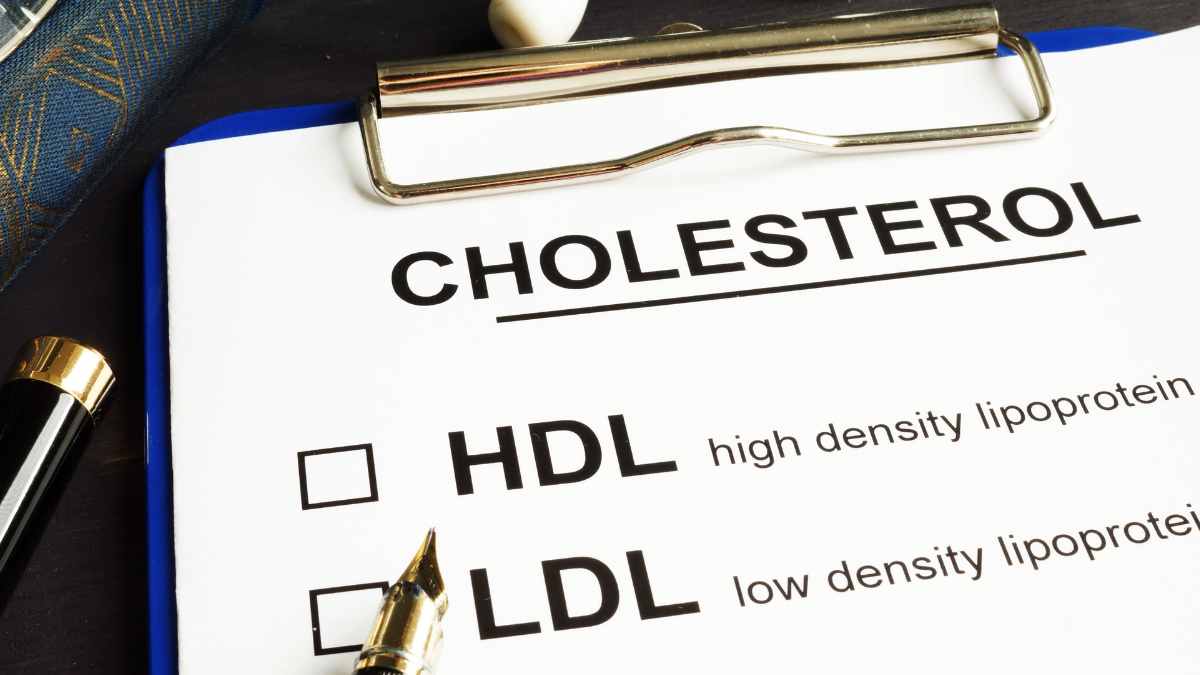
Cholesterol is categorized into two primary types: low-density lipoprotein (LDL) and high-density lipoprotein (HDL). LDL cholesterol is often referred to as "bad" cholesterol because high levels can lead to plaque buildup in the arteries, increasing the risk of heart disease and stroke. Conversely, HDL cholesterol is considered "good" cholesterol as it helps remove LDL cholesterol from the bloodstream, transporting it to the liver for excretion.
The balance between these two types of cholesterol is vital for cardiovascular health. Elevated LDL levels can lead to atherosclerosis, a condition characterized by the hardening and narrowing of arteries, which can result in heart attacks and other cardiovascular diseases. On the other hand, higher levels of HDL cholesterol are associated with a lower risk of heart disease, as it aids in clearing excess cholesterol from the body.
In addition to LDL and HDL, triglycerides, another type of fat found in the blood, can also impact heart health. High triglyceride levels can contribute to the hardening of arteries and are often linked with low HDL levels. Therefore, understanding the implications of these lipid profiles is essential for effective cholesterol management.
Regular monitoring of cholesterol levels through blood tests is crucial, especially for individuals with a family history of heart disease or other risk factors. By understanding the types of cholesterol and their health implications, individuals can take proactive steps to maintain a healthy balance.
The Role of Diet in Managing Cholesterol Levels
Diet plays a significant role in managing cholesterol levels and overall heart health. Certain foods can help lower LDL cholesterol and raise HDL cholesterol, thus promoting a healthier lipid profile. A heart-healthy diet focuses on reducing saturated and trans fats, which are known to elevate LDL cholesterol levels.
Foods high in saturated fats include red meat, full-fat dairy products, and processed foods. Trans fats, often found in partially hydrogenated oils, are particularly harmful and should be avoided as much as possible. Instead, incorporating unsaturated fats, such as those found in olive oil, avocados, and nuts, can help improve cholesterol levels.
Moreover, dietary fiber is essential for managing cholesterol. Soluble fiber, in particular, can help reduce LDL cholesterol levels by binding to cholesterol in the digestive system and facilitating its excretion. Foods rich in soluble fiber include oats, beans, lentils, fruits, and vegetables.
In addition to fiber, a diet rich in antioxidants can also support heart health. Foods such as berries, leafy greens, and nuts contain compounds that can help reduce inflammation and oxidative stress, both of which are linked to heart disease. By focusing on a balanced diet that emphasizes whole, nutrient-dense foods, individuals can effectively manage their cholesterol levels.
Key Nutrients That Support Healthy Cholesterol Balance
Several key nutrients play a crucial role in maintaining healthy cholesterol levels. Plant sterols and stanols are naturally occurring substances found in certain plants that can help lower LDL cholesterol. These compounds work by blocking the absorption of cholesterol in the intestines, leading to reduced levels in the bloodstream. Foods fortified with plant sterols, such as certain margarines and orange juice, can be beneficial.
Another important nutrient is soluble fiber, which has already been mentioned. Soluble fiber not only helps lower LDL cholesterol but also promotes digestive health. Incorporating foods like oats, barley, beans, and fruits into the diet can significantly enhance fiber intake.
Omega-3 fatty acids are also vital for heart health. These healthy fats, found in fatty fish, flaxseeds, and walnuts, can help lower triglyceride levels and improve overall lipid profiles. Omega-3s have anti-inflammatory properties that can further protect the cardiovascular system.
Lastly, antioxidants, particularly flavonoids and polyphenols, can support heart health by reducing oxidative stress and inflammation. Foods rich in these compounds include berries, dark chocolate, and green tea. By ensuring an adequate intake of these key nutrients, individuals can foster a healthier cholesterol balance.
Top Plant-Based Foods for Lowering Cholesterol Levels
A plant-based diet is particularly effective for lowering cholesterol levels. Legumes, such as beans, lentils, and chickpeas, are excellent sources of soluble fiber and protein while being low in saturated fat. Regular consumption of legumes can help reduce LDL cholesterol and improve overall heart health.
Nuts and seeds are also beneficial. Almonds, walnuts, chia seeds, and flaxseeds are rich in healthy fats, fiber, and plant sterols, all of which contribute to better cholesterol levels. Incorporating a handful of nuts into daily snacks can provide heart-healthy benefits.
Fruits and vegetables are critical components of a cholesterol-lowering diet. Berries, apples, and citrus fruits are particularly high in soluble fiber and antioxidants, making them excellent choices for heart health. Leafy greens, such as spinach and kale, are also rich in nutrients that support cardiovascular function.
Whole grains, such as oats, quinoa, and brown rice, provide essential fiber and nutrients that can help lower cholesterol levels. Replacing refined grains with whole grains can lead to significant improvements in cholesterol profiles. By focusing on these plant-based foods, individuals can create a diet that supports healthy cholesterol levels.
The Impact of Omega-3 Fatty Acids on Cholesterol Control
Omega-3 fatty acids are a type of polyunsaturated fat that is essential for heart health. These fats are known to lower triglyceride levels and may help raise HDL cholesterol, making them a vital component of a cholesterol-lowering diet. Fatty fish, such as salmon, mackerel, and sardines, are among the best sources of omega-3s.
For those who do not consume fish, plant-based sources of omega-3s include flaxseeds, chia seeds, and walnuts. These foods contain alpha-linolenic acid (ALA), a type of omega-3 that can provide similar heart health benefits. Including these foods in the diet can help support a healthy lipid profile.
Research has shown that regular consumption of omega-3 fatty acids can also reduce inflammation and improve overall cardiovascular health. These fatty acids may help prevent the development of plaque in the arteries, further reducing the risk of heart disease.
Incorporating omega-3-rich foods into meals can be simple and delicious. Adding flaxseed to smoothies, snacking on walnuts, or enjoying fatty fish a few times a week can significantly impact cholesterol management and overall heart health.
Practical Tips for Incorporating Heart-Healthy Foods
Incorporating heart-healthy foods into your diet doesn’t have to be complicated. Start by gradually replacing processed and unhealthy fats with healthier options. For instance, use olive oil instead of butter for cooking, and choose lean cuts of meat or plant-based proteins instead of fatty meats.
Meal planning can also be beneficial. Set aside time each week to plan meals that include a variety of fruits, vegetables, whole grains, and healthy fats. This can help ensure that you have nutritious options readily available and reduce the temptation to reach for unhealthy snacks.
Experimenting with new recipes can make healthy eating more enjoyable. Explore plant-based dishes that feature legumes, whole grains, and plenty of vegetables. Cooking at home allows for greater control over ingredients and portion sizes, making it easier to stick to a heart-healthy diet.
Lastly, be mindful of portion sizes and overall caloric intake. Even healthy foods can contribute to weight gain if consumed in excess. Striking a balance between enjoying heart-healthy foods and maintaining portion control is key to long-term success in managing cholesterol levels.
Conclusions:
Maintaining healthy cholesterol levels is crucial for preventing heart disease and promoting overall health. By understanding the types of cholesterol and the role of diet, individuals can make informed food choices that support a healthier lipid profile. Incorporating nutrient-dense, plant-based foods, omega-3 fatty acids, and key nutrients can significantly impact cholesterol management. With practical tips for integrating heart-healthy foods into daily life, anyone can take proactive steps toward better cardiovascular health.
Read more
- American Heart Association: Understanding Cholesterol – A comprehensive overview of cholesterol types and their health implications.
- Mayo Clinic: Cholesterol and Diet – Insights on how diet affects cholesterol levels and practical dietary recommendations.
- Harvard Health Publishing: The Truth About Cholesterol – An informative article discussing cholesterol’s role in heart health and dietary strategies to manage it.
- National Institutes of Health: Omega-3 Fatty Acids – A detailed resource on the benefits of omega-3 fatty acids and their impact on cholesterol levels.
- Cleveland Clinic: Foods That Lower Cholesterol – A list of specific foods that can help lower cholesterol and improve heart health.