

Introduction:
Cholesterol is a waxy substance found in the blood that plays a crucial role in the body’s cellular functions. However, not all cholesterol is created equal. The balance between different types of cholesterol can significantly impact heart health. With rising rates of heart disease globally, understanding how to manage cholesterol levels through diet has become increasingly important. This article explores the types of cholesterol, the role of diet in managing these levels, and highlights three of the best foods to incorporate into your diet to help lower LDL cholesterol.
Understanding Cholesterol: Types and Health Implications
Cholesterol exists in two primary forms: low-density lipoprotein (LDL) and high-density lipoprotein (HDL). LDL is often referred to as "bad" cholesterol because high levels can lead to plaque buildup in the arteries, increasing the risk of heart disease and stroke. Conversely, HDL is known as "good" cholesterol, as it helps transport cholesterol away from the arteries and back to the liver, where it is processed and removed from the body. Maintaining a healthy balance between these two types is essential for cardiovascular health.
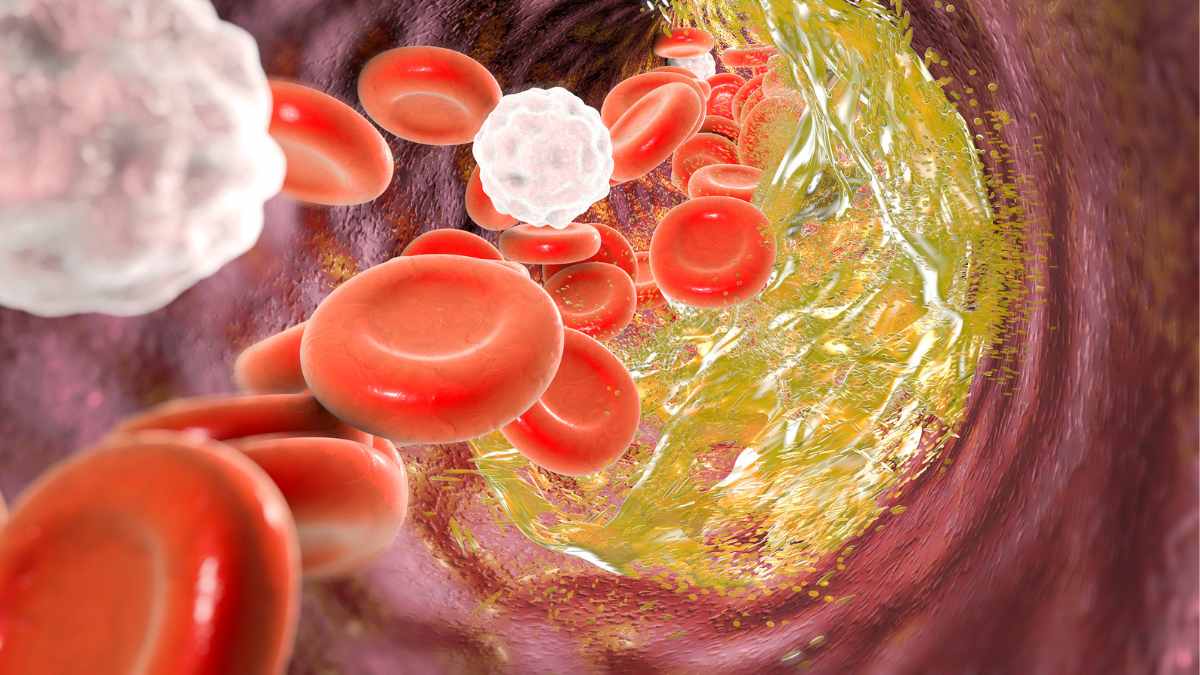
The health implications of high LDL cholesterol are profound. When LDL levels rise, it can lead to a condition known as atherosclerosis, where arteries become narrowed and hardened due to plaque accumulation. This can result in reduced blood flow, leading to angina, heart attacks, or strokes. Regular monitoring of cholesterol levels is vital, especially for individuals with risk factors such as obesity, diabetes, or a family history of heart disease.
In addition to genetic factors, lifestyle choices play a significant role in cholesterol levels. Poor diet, lack of physical activity, and smoking can exacerbate high LDL levels. Therefore, understanding how dietary choices impact cholesterol is crucial for effective management. By making informed food choices, individuals can take proactive steps to improve their cholesterol profiles and overall heart health.
Finally, it’s important to note that while diet is a key factor, it is not the only one influencing cholesterol levels. Other elements, such as stress management, regular exercise, and maintaining a healthy weight, also contribute to cardiovascular health. A holistic approach that includes dietary changes alongside other lifestyle modifications is the most effective way to manage cholesterol levels.
The Role of Diet in Managing Cholesterol Levels
Diet plays a pivotal role in managing cholesterol levels, particularly in lowering LDL cholesterol. Foods high in saturated fats, trans fats, and cholesterol can raise LDL levels, while those rich in fiber, healthy fats, and plant sterols can help lower them. The American Heart Association emphasizes the importance of a heart-healthy diet, which includes a variety of fruits, vegetables, whole grains, and lean proteins.
Incorporating specific foods into your daily diet can significantly impact cholesterol levels. For instance, soluble fiber found in oats, beans, and certain fruits can bind to cholesterol in the digestive system, preventing its absorption into the bloodstream. This mechanism can lead to lower overall cholesterol levels and a reduced risk of heart disease.
Moreover, healthy fats, such as those found in nuts, seeds, and fatty fish, can improve cholesterol profiles. These fats can help raise HDL cholesterol while lowering LDL cholesterol, promoting a healthier balance. It is essential to replace unhealthy fats with healthier options rather than simply reducing fat intake, as this can lead to a more sustainable and enjoyable diet.
Finally, it is crucial to be mindful of portion sizes and overall caloric intake. Even healthy foods can contribute to weight gain if consumed in excess. A balanced approach that includes a variety of nutrient-dense foods, combined with regular physical activity, is the best strategy for managing cholesterol levels effectively.
Top Food Choices for Reducing LDL Cholesterol
When it comes to lowering LDL cholesterol, certain foods stand out due to their specific properties. Among these, oats, fatty fish, and nuts have been extensively studied and are widely recommended by health professionals. Each of these food groups offers unique benefits that contribute to heart health and cholesterol management.
Oats are a fantastic source of soluble fiber, particularly beta-glucan, which has been shown to effectively lower LDL cholesterol levels. Incorporating oats into breakfast or snacks can help individuals meet their daily fiber needs while providing a heart-healthy option. Studies have demonstrated that consuming just 3 grams of soluble fiber daily can lead to a noticeable reduction in cholesterol levels.
Fatty fish, such as salmon, mackerel, and sardines, are rich in omega-3 fatty acids, which have been linked to lower levels of LDL cholesterol and triglycerides. Omega-3s also possess anti-inflammatory properties that contribute to overall cardiovascular health. Regular consumption of fatty fish can not only help lower LDL cholesterol but also improve heart function and reduce the risk of arrhythmias.
Nuts, particularly almonds and walnuts, are nutrient-dense foods that can aid in cholesterol management. They are high in healthy fats, fiber, and plant sterols, all of which contribute to lowering LDL cholesterol levels. Research has shown that incorporating a handful of nuts into the daily diet can lead to significant improvements in cholesterol profiles, making them an excellent snack option for heart health.
In summary, focusing on these top food choices can significantly impact cholesterol levels. By incorporating oats, fatty fish, and nuts into your diet, you can take proactive steps toward lowering LDL cholesterol and promoting cardiovascular health.
The Benefits of Oats: A Heart-Healthy Grain
Oats are often hailed as a superfood due to their numerous health benefits, particularly in relation to heart health. One of the key components of oats is soluble fiber, which has been shown to effectively lower LDL cholesterol levels. This type of fiber works by binding to cholesterol in the digestive system, preventing its absorption into the bloodstream. As a result, regular consumption of oats can lead to significant reductions in overall cholesterol levels.
In addition to their cholesterol-lowering properties, oats are also rich in antioxidants, specifically avenanthramides, which have anti-inflammatory effects. Chronic inflammation is a contributing factor to many cardiovascular diseases, so incorporating oats into your diet can help mitigate this risk. Furthermore, oats have a low glycemic index, meaning they can help regulate blood sugar levels, making them an excellent choice for individuals with diabetes or those at risk of developing the condition.
Oats are incredibly versatile and can be consumed in various forms, such as oatmeal, granola, or baked goods. This flexibility makes it easy to incorporate oats into your daily diet. For breakfast, a warm bowl of oatmeal topped with fruits and nuts provides a nutritious start to the day. Alternatively, adding oats to smoothies or using them in baking can enhance the nutritional profile of your meals.
In summary, the benefits of oats extend beyond cholesterol management. Their rich fiber content, antioxidant properties, and versatility make them a valuable addition to a heart-healthy diet. By regularly incorporating oats into your meals, you can support your cardiovascular health while enjoying a delicious and satisfying food.
Fatty Fish: Omega-3s and Their Cholesterol Benefits
Fatty fish, such as salmon, mackerel, sardines, and trout, are renowned for their high omega-3 fatty acid content. Omega-3s are essential fats that the body cannot produce on its own, making it crucial to obtain them through diet. These fatty acids have been extensively studied for their cardiovascular benefits, including their ability to lower LDL cholesterol levels and reduce triglycerides.
Research has shown that omega-3 fatty acids can help improve the lipid profile by increasing HDL cholesterol while simultaneously lowering LDL cholesterol. This dual action is vital for maintaining a healthy balance between the two types of cholesterol. Additionally, omega-3s possess anti-inflammatory properties that contribute to overall heart health, reducing the risk of chronic diseases.
Incorporating fatty fish into your diet is relatively simple. Health organizations recommend consuming at least two servings of fatty fish per week to reap the maximum benefits. Grilling, baking, or steaming fish are healthy cooking methods that preserve their nutritional value. Pairing fatty fish with vegetables or whole grains can create a well-rounded meal that supports heart health.
Moreover, for those who may not enjoy fish or have dietary restrictions, omega-3 supplements are available. However, it’s essential to consult with a healthcare professional before starting any supplementation. Overall, the inclusion of fatty fish in your diet can significantly contribute to lowering LDL cholesterol levels and enhancing cardiovascular health.
Incorporating Nuts: A Nutrient-Dense Cholesterol Solution
Nuts are often overlooked as a powerful tool in managing cholesterol levels, but they are packed with nutrients that can significantly benefit heart health. Almonds, walnuts, pistachios, and other nuts are rich in healthy fats, fiber, vitamins, and minerals. Their unique nutrient profile makes them an excellent choice for those looking to lower LDL cholesterol.
Research has shown that regular nut consumption can lead to a reduction in LDL cholesterol levels. The healthy fats found in nuts, particularly monounsaturated and polyunsaturated fats, can help improve the lipid profile by increasing HDL cholesterol and decreasing LDL cholesterol. Additionally, nuts contain plant sterols, which have been shown to block cholesterol absorption in the intestines.
Incorporating nuts into your diet is easy and versatile. A handful of nuts can serve as a nutritious snack, or they can be added to salads, yogurt, or oatmeal for an extra crunch. However, it’s essential to be mindful of portion sizes, as nuts are calorie-dense. A small serving, typically around 1 ounce, is sufficient to gain their health benefits without excessive calorie intake.
Furthermore, the heart-healthy properties of nuts extend beyond cholesterol management. Their high antioxidant content can help reduce inflammation and oxidative stress, both of which are risk factors for heart disease. By incorporating a variety of nuts into your diet, you can enjoy their delicious flavors while promoting cardiovascular health.
Conclusions:
Managing cholesterol levels is essential for maintaining heart health, and diet plays a crucial role in this process. By understanding the types of cholesterol and the impact of dietary choices, individuals can make informed decisions to lower LDL cholesterol effectively. Incorporating foods such as oats, fatty fish, and nuts into your diet can lead to significant improvements in cholesterol profiles and overall cardiovascular health. A holistic approach that combines these dietary changes with other lifestyle modifications is the most effective strategy for managing cholesterol levels and promoting long-term heart health.
Read more
-
American Heart Association: Understanding Cholesterol – This resource provides a comprehensive overview of cholesterol types, their health implications, and management strategies.
-
Harvard Health Publishing: The Role of Diet in Cholesterol Management – An informative article discussing dietary changes that can help lower cholesterol levels.
-
Mayo Clinic: Foods to Help Lower Cholesterol – A detailed guide on specific foods that can aid in cholesterol management.
-
Cleveland Clinic: The Benefits of Omega-3 Fatty Acids – An overview of the health benefits of omega-3 fatty acids, including their impact on cholesterol levels.
-
National Institutes of Health: Nuts and Heart Health – A research article discussing the relationship between nut consumption and cardiovascular health.