

Introduction:
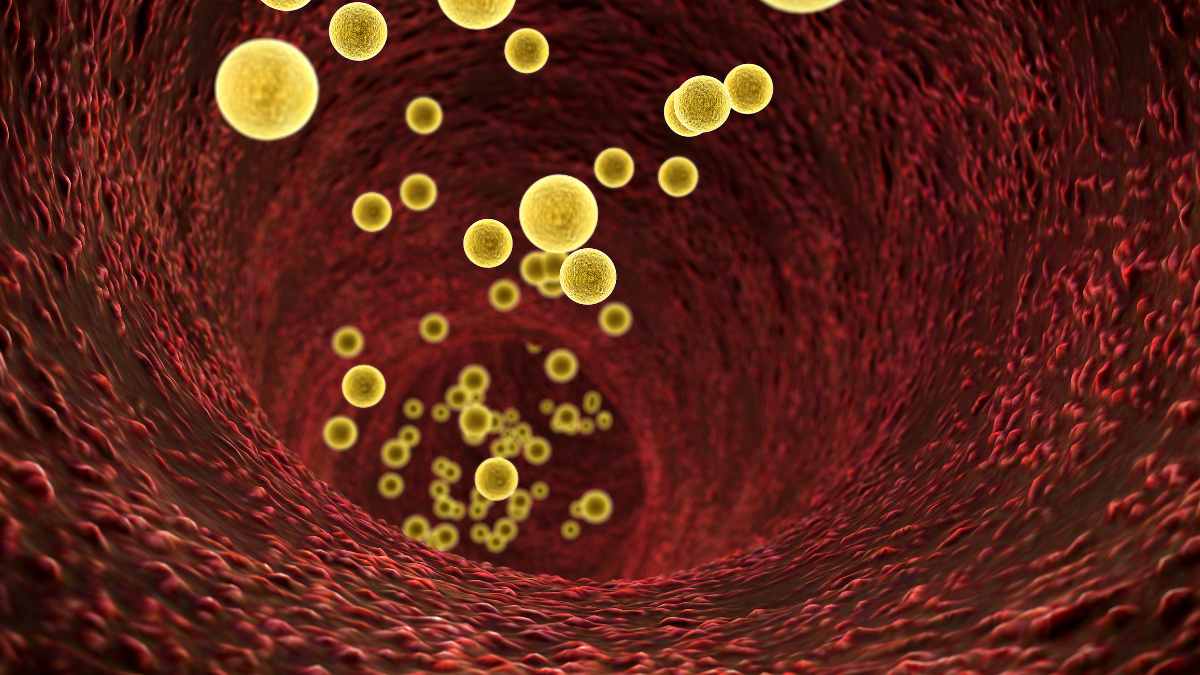
Cholesterol is a waxy substance found in the cells of the body and is essential for various bodily functions, including the production of hormones and vitamin D. However, an imbalance in cholesterol levels can lead to serious health issues, such as heart disease and stroke. Understanding how different types of cholesterol affect health is crucial for managing these risks. This article explores the dietary strategies that can help lower cholesterol levels, focusing on specific foods and beverages that are beneficial for heart health.
Understanding Cholesterol: Types and Health Implications
Cholesterol exists in two primary forms: low-density lipoprotein (LDL) and high-density lipoprotein (HDL). LDL cholesterol is often referred to as "bad" cholesterol because high levels can lead to plaque buildup in the arteries, increasing the risk of cardiovascular diseases. In contrast, HDL cholesterol is known as "good" cholesterol, as it helps transport cholesterol away from the arteries and back to the liver for excretion. Maintaining a healthy balance between these two types is vital for cardiovascular health.
Elevated LDL levels can result from various factors, including diet, genetics, and lifestyle choices. Diets high in saturated and trans fats can raise LDL cholesterol levels, while a lack of physical activity can exacerbate the issue. Conversely, low levels of HDL cholesterol can be influenced by factors such as obesity, smoking, and a sedentary lifestyle. Understanding these implications emphasizes the importance of monitoring cholesterol levels and making informed dietary choices.
The health implications of high cholesterol extend beyond heart disease. Research indicates that elevated cholesterol levels can contribute to the development of other conditions, such as pancreatitis and peripheral artery disease. Therefore, it is essential to adopt a holistic approach to health that includes regular check-ups, physical activity, and a balanced diet aimed at optimizing cholesterol levels.
In summary, understanding the types of cholesterol and their health implications is the first step toward effective management. By focusing on dietary changes, individuals can significantly influence their cholesterol levels and overall health.
The Role of Diet in Managing Cholesterol Levels
Diet plays a crucial role in managing cholesterol levels and can significantly impact cardiovascular health. A heart-healthy diet emphasizes the consumption of whole foods, including fruits, vegetables, whole grains, and lean proteins, while minimizing processed foods high in unhealthy fats and sugars. This dietary approach not only helps lower LDL cholesterol but also promotes overall well-being.
Incorporating specific foods known to lower cholesterol can lead to significant improvements in lipid profiles. For instance, foods rich in soluble fiber can help reduce the absorption of cholesterol in the bloodstream. Additionally, replacing saturated fats with healthier fat sources can positively affect cholesterol levels. The Mediterranean diet, which emphasizes healthy fats, whole grains, and plenty of fruits and vegetables, has been shown to improve heart health and lower cholesterol.
Moreover, maintaining a balanced diet is not just about what foods to avoid but also about what to include. Regularly consuming foods that support heart health can lead to long-term benefits. This includes not only lowering LDL cholesterol but also raising HDL cholesterol levels, which is vital for cardiovascular protection.
In conclusion, a well-rounded diet is essential for managing cholesterol levels. By making conscious food choices and adopting a heart-healthy eating pattern, individuals can significantly improve their cholesterol profiles and reduce their risk of heart disease.
Foods Rich in Soluble Fiber: Benefits for Cholesterol
Soluble fiber is a type of dietary fiber that dissolves in water to form a gel-like substance. This fiber is particularly effective in lowering LDL cholesterol levels. Foods high in soluble fiber include oats, barley, beans, lentils, fruits (such as apples and citrus), and vegetables. Incorporating these foods into the diet can create a powerful strategy for cholesterol management.
When soluble fiber is consumed, it binds to cholesterol in the digestive system, preventing its absorption into the bloodstream. This process not only helps lower LDL cholesterol but also promotes a feeling of fullness, which can aid in weight management—a crucial factor in maintaining healthy cholesterol levels. Research indicates that a daily intake of 5 to 10 grams of soluble fiber can lead to a significant reduction in LDL cholesterol.
Moreover, the benefits of soluble fiber extend beyond cholesterol management. It also supports digestive health by promoting regular bowel movements and feeding beneficial gut bacteria. This, in turn, can enhance overall health, as a healthy gut microbiome is linked to various aspects of well-being, including immune function and mental health.
Incorporating a variety of soluble fiber-rich foods into daily meals can be a delicious and effective way to manage cholesterol levels while also reaping additional health benefits. Simple changes, such as choosing oatmeal for breakfast or adding beans to salads, can make a significant difference.
Healthy Fats: Sources That Help Lower Cholesterol
Not all fats are created equal, and understanding the difference between healthy and unhealthy fats is crucial for cholesterol management. Monounsaturated and polyunsaturated fats are considered healthy fats that can help lower LDL cholesterol levels while raising HDL cholesterol. Foods rich in these healthy fats include avocados, nuts, seeds, olive oil, and fatty fish.
Replacing saturated fats found in red meat and full-fat dairy products with healthier fat sources can lead to improved cholesterol profiles. Research has shown that individuals who consume a diet rich in monounsaturated fats experience a reduction in LDL cholesterol levels, which is beneficial for heart health. Additionally, omega-3 fatty acids, a type of polyunsaturated fat found in fatty fish like salmon and mackerel, have been shown to lower triglycerides and reduce inflammation.
Incorporating healthy fats into the diet can also enhance the absorption of fat-soluble vitamins, such as vitamins A, D, E, and K. This is particularly important for overall health, as these vitamins play essential roles in various bodily functions, including immune response and bone health.
In summary, focusing on healthy fats and incorporating them into a balanced diet can significantly impact cholesterol levels. By making informed choices about fat sources, individuals can support their cardiovascular health while enjoying a variety of delicious foods.
Antioxidant-Rich Foods: Their Impact on Cholesterol
Antioxidant-rich foods play a vital role in managing cholesterol levels and promoting heart health. Antioxidants are compounds that help neutralize free radicals in the body, reducing oxidative stress and inflammation, both of which can contribute to heart disease. Foods high in antioxidants include berries, dark chocolate, nuts, and green leafy vegetables.
Berries, such as blueberries and strawberries, are particularly effective at improving cholesterol levels due to their high content of anthocyanins, a type of antioxidant. Studies have shown that regular consumption of berries can lead to reductions in LDL cholesterol and improvements in overall cardiovascular health. Similarly, dark chocolate, when consumed in moderation, has been linked to improved cholesterol profiles due to its flavonoid content.
Green leafy vegetables, such as spinach and kale, are also excellent sources of antioxidants and provide essential nutrients that support heart health. These vegetables are low in calories and high in fiber, making them an ideal choice for those looking to manage their weight and cholesterol levels simultaneously.
Incorporating a variety of antioxidant-rich foods into the diet can enhance overall health and well-being. By focusing on colorful fruits and vegetables, individuals can create a nutrient-dense diet that supports cholesterol management and reduces the risk of heart disease.
Beverages That Support Cholesterol Management Strategies
While food choices play a significant role in managing cholesterol levels, beverages can also contribute to heart health. Certain drinks have been shown to have cholesterol-lowering effects, making them an essential part of a heart-healthy diet. Among these, green tea, plant-based milk, and red wine are notable examples.
Green tea is rich in catechins, a type of antioxidant that has been linked to lower LDL cholesterol levels. Regular consumption of green tea can help improve lipid profiles and support overall cardiovascular health. Additionally, the hydrating properties of green tea make it an excellent alternative to sugary beverages, which can negatively impact cholesterol levels.
Plant-based milk alternatives, such as almond or soy milk, can also be beneficial for cholesterol management. These milk alternatives are often lower in saturated fat compared to cow’s milk and can provide essential nutrients, such as calcium and vitamin D. Soy milk, in particular, contains isoflavones, which have been shown to lower LDL cholesterol levels.
Moderate consumption of red wine has also been associated with improved cholesterol levels. The polyphenols found in red wine can help raise HDL cholesterol and protect against arterial damage. However, it’s essential to consume alcohol in moderation, as excessive intake can lead to adverse health effects.
In conclusion, incorporating heart-healthy beverages into daily routines can complement dietary efforts to manage cholesterol levels effectively. By making informed choices about drinks, individuals can further support their cardiovascular health.
Conclusions:
Managing cholesterol levels is a multifaceted approach that involves understanding the types of cholesterol, the role of diet, and incorporating specific foods and beverages that promote heart health. By focusing on soluble fiber, healthy fats, antioxidant-rich foods, and heart-healthy drinks, individuals can significantly influence their cholesterol profiles and reduce their risk of cardiovascular diseases. Making informed dietary choices is essential for achieving optimal health and well-being.
Read more
- American Heart Association – Cholesterol – Comprehensive resources on understanding cholesterol and its impact on heart health.
- Mayo Clinic – Diet and cholesterol: How to lower your cholesterol – Detailed information on dietary strategies for managing cholesterol levels.
- Harvard Health Publishing – Foods that lower cholesterol – Insights into specific foods that can help lower cholesterol.
- Cleveland Clinic – The role of fiber in heart health – Discussion on the importance of fiber in managing cholesterol and heart health.
- National Institutes of Health – Cholesterol and heart health – Research-based information on cholesterol and its effects on cardiovascular health.