

Introduction:
Cholesterol is a waxy substance found in the cells of the body, essential for producing hormones, vitamin D, and bile acids that help digest fat. However, not all cholesterol is created equal. The body produces two main types: low-density lipoprotein (LDL), often referred to as "bad" cholesterol, and high-density lipoprotein (HDL), known as "good" cholesterol. Maintaining a healthy balance between these two types is crucial for overall cardiovascular health. This article explores the relationship between diet and cholesterol levels, highlighting specific foods and nutrients that can help manage cholesterol effectively.
Understanding Cholesterol: Types and Health Implications
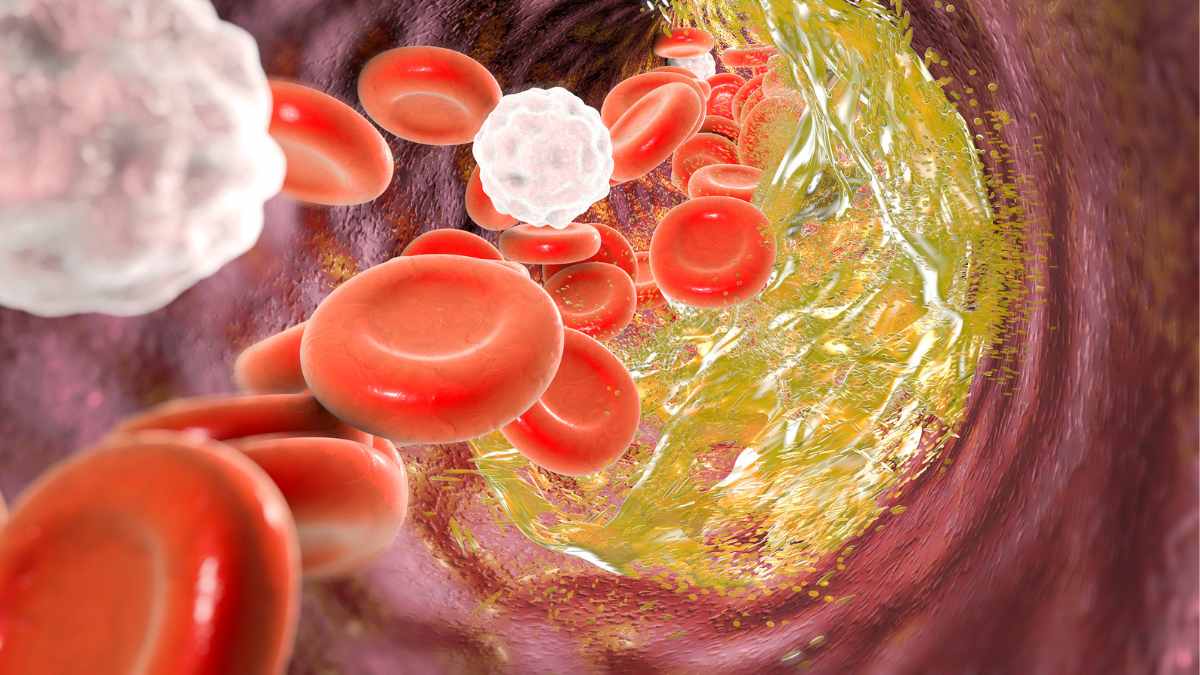
Cholesterol is transported through the bloodstream by lipoproteins. LDL cholesterol can lead to plaque buildup in arteries, increasing the risk of heart disease and stroke. In contrast, HDL cholesterol helps remove LDL from the bloodstream, transporting it to the liver for excretion. An imbalance, characterized by high LDL and low HDL levels, is a significant risk factor for cardiovascular diseases. Understanding these dynamics is essential for making informed dietary choices.
The implications of high cholesterol extend beyond heart health. Research indicates that elevated LDL levels can contribute to atherosclerosis, a condition where arteries narrow due to plaque accumulation, potentially leading to heart attacks and strokes. Moreover, high cholesterol levels can also be associated with other health conditions, such as hypertension and diabetes, creating a multifaceted risk profile for individuals.
Regular cholesterol screenings are vital for assessing one’s risk. The American Heart Association recommends that adults have their cholesterol levels checked every four to six years, starting at age 20. Early detection allows for timely intervention through lifestyle changes, including diet modifications that can significantly impact cholesterol levels.
In summary, understanding the types of cholesterol and their health implications is the first step toward effective management. By focusing on dietary strategies, individuals can improve their cholesterol profiles and reduce their risk of cardiovascular diseases.
The Role of Diet in Managing Cholesterol Levels
Diet plays a pivotal role in managing cholesterol levels, as certain foods can either elevate or lower cholesterol. A diet high in saturated fats, commonly found in red meat and full-fat dairy products, can raise LDL cholesterol levels. Conversely, incorporating heart-healthy foods can help lower LDL and raise HDL cholesterol levels.
Research has shown that dietary changes can lead to significant improvements in cholesterol levels. For instance, a study published in the Journal of the American College of Cardiology found that participants who adopted a Mediterranean diet, rich in fruits, vegetables, whole grains, and healthy fats, experienced a notable decrease in LDL cholesterol levels. This highlights the importance of choosing the right foods to promote heart health.
In addition to specific food choices, overall dietary patterns matter. Diets that emphasize whole, unprocessed foods and minimize refined sugars and unhealthy fats are more effective in managing cholesterol levels. Adopting a balanced diet not only helps control cholesterol but also supports overall health and well-being.
Ultimately, understanding the role of diet in cholesterol management empowers individuals to make informed choices that can lead to healthier outcomes. By prioritizing nutrient-dense foods and minimizing harmful options, one can effectively influence their cholesterol levels.
Key Nutrients That Promote Healthy Cholesterol Balance
Certain nutrients are particularly beneficial for maintaining a healthy cholesterol balance. Soluble fiber, for instance, has been shown to lower LDL cholesterol levels by binding to cholesterol in the digestive system and facilitating its excretion. Foods high in soluble fiber include oats, beans, lentils, and certain fruits like apples and citrus.
Omega-3 fatty acids are another crucial nutrient for heart health. These healthy fats, found in fatty fish like salmon, mackerel, and sardines, have been shown to lower triglycerides and increase HDL cholesterol levels. Incorporating omega-3-rich foods into the diet can provide significant cardiovascular benefits.
Plant sterols and stanols, naturally occurring substances found in small amounts in plants, can also help reduce cholesterol levels. They work by blocking the absorption of cholesterol in the intestines. Many fortified foods, such as margarine and orange juice, now contain added plant sterols, making it easier to incorporate them into the diet.
Lastly, antioxidants, particularly those found in fruits and vegetables, play a role in maintaining healthy cholesterol levels. They help reduce inflammation and oxidative stress, which are linked to heart disease. A diet rich in colorful fruits and vegetables ensures a robust intake of these beneficial compounds, promoting overall heart health.
Foods Rich in Soluble Fiber for Cholesterol Reduction
Foods high in soluble fiber are essential for cholesterol reduction. Oats are one of the best sources, containing a specific type of soluble fiber known as beta-glucan. Regular consumption of oats has been linked to lower LDL cholesterol levels, making them an excellent breakfast choice.
Legumes, including beans, lentils, and chickpeas, are also rich in soluble fiber. Incorporating these foods into meals not only aids in cholesterol management but also provides a wealth of other nutrients, such as protein and vitamins. A study published in the American Journal of Clinical Nutrition found that individuals who consumed legumes regularly had lower cholesterol levels compared to those who did not.
Fruits like apples, pears, and citrus fruits are excellent sources of soluble fiber. They contain pectin, a type of soluble fiber that effectively lowers cholesterol levels. Adding a variety of fruits to the diet can enhance fiber intake while providing essential vitamins and antioxidants.
Lastly, barley is another grain that boasts high soluble fiber content. Incorporating barley into soups, salads, or as a side dish can contribute to cholesterol reduction. Overall, focusing on these fiber-rich foods can significantly impact cholesterol levels and promote heart health.
The Impact of Healthy Fats on Cholesterol Management
Healthy fats, particularly monounsaturated and polyunsaturated fats, play a crucial role in managing cholesterol levels. These fats can help lower LDL cholesterol while increasing HDL cholesterol, making them an essential component of a heart-healthy diet. Foods rich in healthy fats include avocados, nuts, seeds, and olive oil.
Olive oil, a staple of the Mediterranean diet, is particularly beneficial. Its high content of monounsaturated fats and antioxidants has been linked to improved cholesterol levels and reduced inflammation. Studies have shown that replacing saturated fats with olive oil can lead to significant reductions in LDL cholesterol.
Nuts and seeds, such as almonds, walnuts, and flaxseeds, are also excellent sources of healthy fats. They provide not only healthy fats but also fiber, protein, and essential nutrients. Research indicates that regular nut consumption is associated with lower cholesterol levels and a reduced risk of heart disease.
Incorporating these healthy fats into daily meals can be simple and delicious. For example, using olive oil as a salad dressing, snacking on a handful of nuts, or adding avocado to sandwiches can enhance both flavor and nutritional value. Emphasizing healthy fats in the diet is a powerful strategy for managing cholesterol levels.
Incorporating Plant-Based Foods for Optimal Heart Health
Plant-based foods are at the forefront of heart health, offering a plethora of benefits for cholesterol management. A plant-based diet emphasizes fruits, vegetables, whole grains, legumes, nuts, and seeds, all of which are rich in nutrients that promote heart health. These foods are typically low in saturated fat and high in fiber, making them ideal for lowering LDL cholesterol.
Research has shown that individuals following a plant-based diet tend to have lower cholesterol levels and a reduced risk of heart disease. A study published in the Journal of the American Heart Association found that those who adhered to a plant-based diet had significantly lower LDL cholesterol levels compared to those who consumed a standard Western diet.
Incorporating a variety of plant-based foods into meals can be both enjoyable and beneficial. For instance, creating colorful salads, hearty vegetable soups, or grain bowls packed with legumes and vegetables can provide essential nutrients while supporting cholesterol management.
Moreover, plant-based diets are not only beneficial for cholesterol levels but also promote overall health. They are associated with lower rates of obesity, hypertension, and diabetes, further contributing to heart health. By prioritizing plant-based foods, individuals can take significant steps toward achieving optimal cardiovascular health.
Conclusions:
Managing cholesterol levels is a multifaceted approach that significantly benefits from dietary choices. By understanding the types of cholesterol and their health implications, individuals can make informed decisions about their diets. Incorporating key nutrients, such as soluble fiber, healthy fats, and antioxidants, can promote a healthy cholesterol balance. Emphasizing plant-based foods not only aids in cholesterol management but also supports overall heart health. By adopting these dietary strategies, individuals can take proactive steps toward reducing their risk of cardiovascular diseases.
Read more:
- American Heart Association – Understanding Cholesterol – A comprehensive overview of cholesterol types and their health implications.
- Journal of the American College of Cardiology – Dietary Impact on Cholesterol – Research articles discussing the effects of diet on cholesterol levels.
- Harvard Health – Foods That Lower Cholesterol – Insights on specific foods that can help manage cholesterol.
- Mayo Clinic – Cholesterol Management – Guidelines and recommendations for managing cholesterol through diet.
- American Journal of Clinical Nutrition – Legumes and Cholesterol – A study on the impact of legumes on cholesterol levels.