

Introduction:
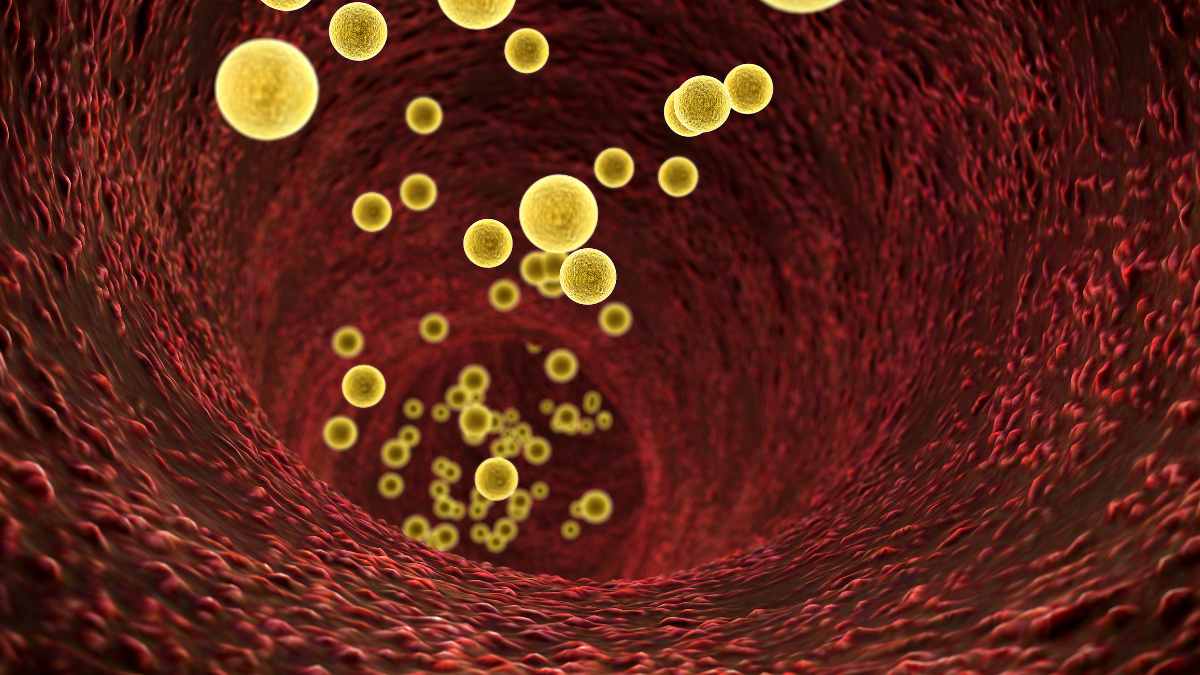
Cholesterol is a waxy substance found in your blood that is essential for the production of hormones, vitamin D, and substances that help digest foods. However, an imbalance in cholesterol levels can lead to serious health issues, including heart disease and stroke. Understanding how to manage cholesterol through lifestyle choices is crucial for maintaining cardiovascular health. This article will explore the types of cholesterol, dietary approaches to lowering cholesterol levels, the role of soluble fiber, the importance of healthy fats, the impact of regular exercise, and the significance of monitoring cholesterol levels.
Understanding Cholesterol: Types and Their Implications
Cholesterol is categorized into two main types: low-density lipoprotein (LDL) and high-density lipoprotein (HDL). LDL cholesterol, often referred to as "bad" cholesterol, can build up in the walls of arteries, leading to atherosclerosis, a condition that narrows the arteries and increases the risk of heart attacks and strokes. In contrast, HDL cholesterol, known as "good" cholesterol, helps transport cholesterol away from the arteries and back to the liver, where it is processed and eliminated from the body. A higher level of HDL is associated with a lower risk of heart disease.
The balance between LDL and HDL cholesterol is critical for cardiovascular health. Ideally, individuals should aim for low LDL levels and high HDL levels. Total cholesterol levels are also important; a total cholesterol level below 200 mg/dL is generally considered desirable. However, it is essential to consider the ratio of LDL to HDL cholesterol, as this can provide a clearer picture of cardiovascular risk.
Genetics, diet, and lifestyle choices significantly influence cholesterol levels. Some individuals may have a genetic predisposition to high cholesterol, while others may develop it due to poor dietary habits or a sedentary lifestyle. Understanding these factors can help individuals take proactive steps to manage their cholesterol levels effectively.
Regular screening for cholesterol levels is recommended, especially for individuals with risk factors such as obesity, a family history of heart disease, or diabetes. Early detection and management can prevent the progression of cardiovascular disease and improve overall health outcomes.
Dietary Approaches to Lowering Cholesterol Levels
Diet plays a pivotal role in managing cholesterol levels. Incorporating heart-healthy foods into your diet can significantly lower LDL cholesterol and improve overall heart health. Foods rich in omega-3 fatty acids, such as fatty fish (salmon, mackerel, sardines), can help reduce triglycerides and increase HDL cholesterol levels. Additionally, plant-based foods such as nuts, seeds, and avocados are excellent sources of healthy fats that can contribute to improved cholesterol profiles.
Another effective dietary approach is to reduce saturated fat intake. Saturated fats, found in red meat, full-fat dairy products, and processed foods, can raise LDL cholesterol levels. Replacing these with healthier alternatives, such as lean proteins and low-fat dairy, can help lower cholesterol levels. Trans fats, often found in partially hydrogenated oils used in many processed foods, should be avoided altogether, as they can increase LDL cholesterol while lowering HDL cholesterol.
Incorporating more fruits and vegetables into the diet is also beneficial. These foods are rich in vitamins, minerals, and antioxidants, which can help reduce inflammation and improve heart health. A diet high in fruits and vegetables is associated with lower cholesterol levels and a reduced risk of heart disease.
Lastly, portion control and mindful eating are essential components of a cholesterol-lowering diet. Overeating, even healthy foods, can lead to weight gain, which is a risk factor for high cholesterol. Maintaining a balanced diet with appropriate portion sizes can help individuals achieve and maintain a healthy weight, further supporting cholesterol management.
The Role of Soluble Fiber in Cholesterol Management
Soluble fiber is a type of dietary fiber that dissolves in water to form a gel-like substance. It plays a significant role in cholesterol management by binding to cholesterol in the digestive system and helping to remove it from the body. Foods rich in soluble fiber include oats, barley, beans, lentils, fruits (such as apples and citrus fruits), and vegetables.
Incorporating soluble fiber into your diet can lead to a significant reduction in LDL cholesterol levels. Studies have shown that consuming 5 to 10 grams of soluble fiber daily can lower LDL cholesterol by 5% to 10%. This effect is particularly beneficial for individuals with elevated cholesterol levels, as it provides a natural and effective way to improve heart health.
In addition to its cholesterol-lowering effects, soluble fiber offers other health benefits. It can help regulate blood sugar levels, promote a healthy gut microbiome, and aid in weight management. These benefits contribute to overall cardiovascular health and can help reduce the risk of developing heart disease.
To increase soluble fiber intake, individuals can start their day with oatmeal, add beans to salads and soups, or snack on fruits high in fiber. Gradually increasing fiber intake is essential to avoid digestive discomfort, and it is crucial to drink plenty of water to help the fiber work effectively in the digestive system.
Healthy Fats: Choosing Unsaturated Over Saturated
Fats are an essential part of a balanced diet, but not all fats are created equal. Unsaturated fats, found in foods such as olive oil, avocados, nuts, and fatty fish, are known to have heart-healthy benefits. These fats can help lower LDL cholesterol levels while raising HDL cholesterol levels, making them a crucial component of a cholesterol-lowering diet.
In contrast, saturated fats, found in animal products and certain processed foods, can raise LDL cholesterol levels and should be consumed in moderation. The American Heart Association recommends limiting saturated fat intake to less than 6% of total daily calories. This can be achieved by choosing lean cuts of meat, low-fat dairy products, and plant-based oils over butter and lard.
Trans fats, which are artificially created through hydrogenation, are particularly harmful to heart health. They not only raise LDL cholesterol but also lower HDL cholesterol. It is essential to read food labels carefully and avoid products containing partially hydrogenated oils to minimize trans fat consumption.
Incorporating healthy fats into your diet can be a delicious and satisfying way to improve cholesterol levels. Cooking with olive oil, snacking on nuts, and including fatty fish in meals are all excellent choices that contribute to heart health while providing essential nutrients.
Importance of Regular Exercise in Cholesterol Control
Regular physical activity is a cornerstone of a heart-healthy lifestyle and plays a crucial role in managing cholesterol levels. Engaging in aerobic exercise, such as walking, running, swimming, or cycling, can help raise HDL cholesterol while lowering LDL cholesterol and triglycerides. The American Heart Association recommends at least 150 minutes of moderate-intensity aerobic exercise per week for optimal heart health.
Exercise not only helps improve cholesterol levels but also aids in weight management and reduces the risk of developing other cardiovascular risk factors, such as high blood pressure and diabetes. Even small amounts of physical activity can have a positive impact on cholesterol levels. For individuals who may be new to exercise, starting with short walks and gradually increasing intensity and duration can lead to significant health benefits.
In addition to aerobic exercise, incorporating strength training into your routine can also be beneficial. Building muscle mass can help improve metabolism and promote fat loss, further supporting cholesterol management. Aim to include strength training exercises at least twice a week, focusing on all major muscle groups.
Maintaining an active lifestyle not only contributes to better cholesterol levels but also enhances overall well-being. Exercise has been shown to reduce stress, improve mood, and increase energy levels, making it an essential component of a heart-healthy lifestyle.
Monitoring Cholesterol: Tests and Recommended Frequencies
Regular monitoring of cholesterol levels is vital for individuals at risk of heart disease. A lipid panel test measures total cholesterol, LDL cholesterol, HDL cholesterol, and triglycerides. The American Heart Association recommends that adults have their cholesterol levels checked every four to six years, starting at age 20. However, individuals with risk factors, such as a family history of heart disease or existing health conditions, may need more frequent testing.
Understanding your cholesterol numbers is crucial for effective management. Total cholesterol levels below 200 mg/dL are considered desirable, while levels between 200-239 mg/dL are borderline high. Levels above 240 mg/dL indicate high cholesterol. For LDL cholesterol, levels below 100 mg/dL are optimal, while HDL cholesterol levels should ideally be above 60 mg/dL for optimal heart health.
In addition to regular testing, individuals should also monitor other cardiovascular risk factors, such as blood pressure and blood sugar levels. Keeping track of these numbers can help individuals make informed decisions about their lifestyle choices and seek medical advice when necessary.
If cholesterol levels are elevated, healthcare providers may recommend lifestyle changes, medication, or a combination of both. Regular follow-up appointments are essential to assess progress and make any necessary adjustments to the management plan.
Conclusions:
Managing cholesterol levels is a multifaceted approach that involves understanding the types of cholesterol, making dietary changes, incorporating physical activity, and regularly monitoring levels. By adopting heart-healthy habits, individuals can significantly lower their cholesterol levels and reduce their risk of cardiovascular disease. It is essential to work closely with healthcare providers to develop a personalized plan that addresses individual needs and risk factors.
Read more
-
American Heart Association – Cholesterol
This resource provides comprehensive information about cholesterol, its types, and the impact on heart health, along with tips for management. -
Mayo Clinic – High Cholesterol
The Mayo Clinic offers detailed insights into the causes, symptoms, and treatment options for high cholesterol, including lifestyle changes and medications. -
Harvard Health Publishing – Cholesterol and Heart Health
This article discusses the relationship between cholesterol levels and heart health, emphasizing the importance of lifestyle modifications. -
National Heart, Lung, and Blood Institute – High Blood Cholesterol
The NHLBI provides valuable information on high blood cholesterol, including risk factors, prevention strategies, and treatment options. -
Centers for Disease Control and Prevention – Cholesterol
The CDC offers a wealth of resources on cholesterol, including statistics, prevention tips, and the importance of regular screening.