

Se hai un abbonamento attivo ACCEDI QUI
Introduction:
Cholesterol management is a crucial aspect of cardiovascular health, and many individuals seek natural alternatives to pharmaceuticals for lowering their cholesterol levels. Among these alternatives, herbs have gained attention for their potential benefits. This article delves into the types of cholesterol, the role of herbs in managing cholesterol levels, and highlights specific herbs that have shown promise in clinical studies.
Understanding Cholesterol: Types and Health Implications
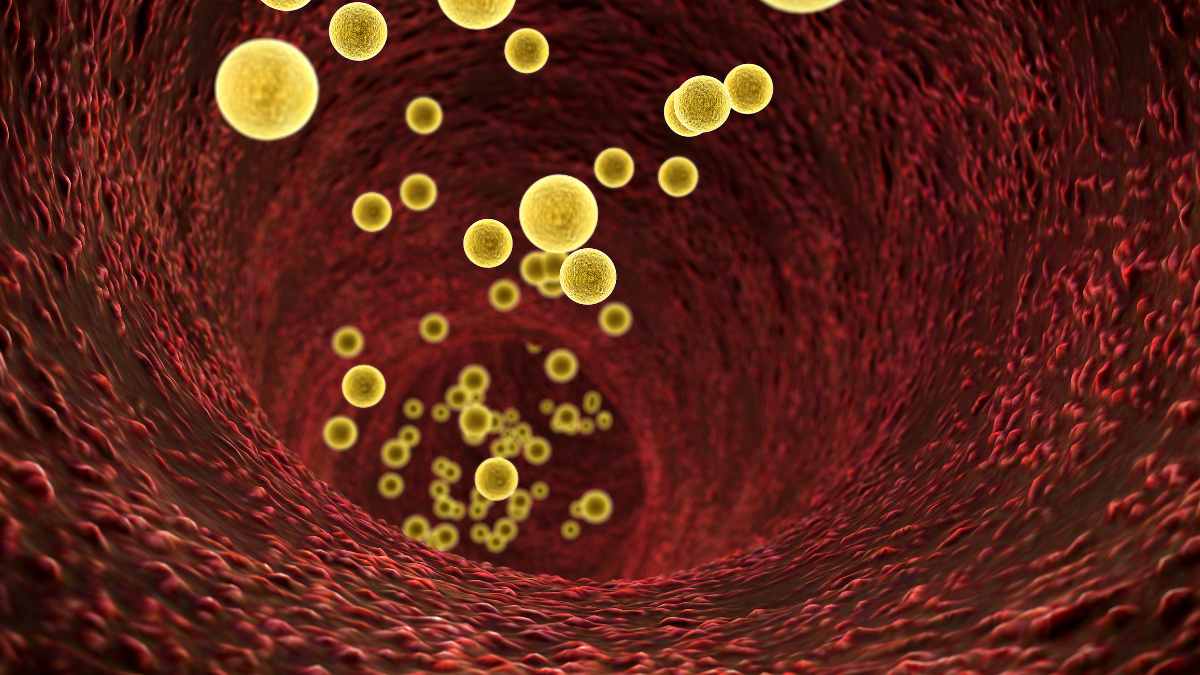
Cholesterol is a waxy substance found in every cell of the body, essential for producing hormones, vitamin D, and bile acids that help digest fat. However, not all cholesterol is created equal. There are two primary types: low-density lipoprotein (LDL), often referred to as "bad" cholesterol, and high-density lipoprotein (HDL), known as "good" cholesterol. Elevated levels of LDL can lead to plaque buildup in arteries, increasing the risk of heart disease and stroke. Conversely, HDL helps transport cholesterol away from the arteries and back to the liver for excretion.
The balance between LDL and HDL is crucial for maintaining cardiovascular health. High levels of LDL can result from various factors, including poor diet, lack of exercise, obesity, and genetic predisposition. Conversely, higher levels of HDL are often associated with a healthier lifestyle, including regular physical activity and a balanced diet rich in healthy fats. Understanding these dynamics is vital for developing effective strategies for cholesterol management.
Health implications of high cholesterol are significant. Individuals with elevated LDL levels are at a higher risk for atherosclerosis, which can lead to heart attacks and strokes. Moreover, high cholesterol can also contribute to other health issues, such as hypertension and metabolic syndrome. Therefore, it is essential to monitor cholesterol levels regularly and adopt lifestyle changes that promote a healthier lipid profile.
In recent years, there has been a growing interest in natural remedies for cholesterol management, particularly herbs. These plant-based solutions offer a complementary approach to traditional treatments, emphasizing the importance of dietary and lifestyle modifications in achieving optimal health.
The Role of Herbs in Managing Cholesterol Levels
Herbs have been used for centuries in traditional medicine for their therapeutic properties. In the context of cholesterol management, certain herbs have been identified as having the potential to lower LDL levels and improve overall lipid profiles. The appeal of using herbs lies in their natural origins and the belief that they may have fewer side effects compared to synthetic medications.
The use of herbs for cholesterol management is supported by a growing body of research. Many herbs contain bioactive compounds that can influence lipid metabolism, reduce inflammation, and improve endothelial function. These properties make them valuable allies in the fight against high cholesterol and associated cardiovascular diseases.
Incorporating herbs into one’s diet can be an effective strategy for those looking to lower cholesterol levels. However, it is essential to approach this method with caution and to consider individual health conditions and potential interactions with medications. Consulting with healthcare professionals is advisable before making significant dietary changes or relying solely on herbal remedies.
Overall, the role of herbs in managing cholesterol is a promising area of research, with many individuals seeking to enhance their health through natural means. As more studies emerge, the understanding of how specific herbs can contribute to cholesterol control continues to evolve.
Top Herbs with Evidence for Cholesterol Reduction
Several herbs have garnered attention for their potential cholesterol-lowering effects. Garlic (Allium sativum) is one of the most well-studied herbs, known for its ability to reduce LDL cholesterol and triglycerides. The active compounds in garlic, such as allicin, are believed to inhibit cholesterol synthesis in the liver and enhance its excretion.
Another notable herb is Turmeric (Curcuma longa), which contains curcumin, a powerful anti-inflammatory and antioxidant compound. Research suggests that curcumin may help lower LDL cholesterol levels and improve overall lipid profiles by enhancing the liver’s ability to process fats.
Artichoke leaf extract has also shown promise in cholesterol management. Studies indicate that it can reduce total cholesterol and LDL levels while increasing HDL cholesterol. The active compounds in artichoke, such as cynarin, are thought to enhance bile production, aiding in cholesterol metabolism.
Fenugreek (Trigonella foenum-graecum) is another herb that has been linked to cholesterol reduction. Its high soluble fiber content may help lower LDL cholesterol by binding to bile acids, promoting their excretion. Additionally, fenugreek is known for its ability to improve insulin sensitivity, which can further support cardiovascular health.
Mechanisms of Action: How Herbs Affect Cholesterol
The cholesterol-lowering effects of herbs can be attributed to various mechanisms of action. For instance, garlic’s active compounds, particularly allicin, are known to inhibit the enzyme HMG-CoA reductase, which plays a crucial role in cholesterol synthesis in the liver. By reducing the activity of this enzyme, garlic can effectively lower LDL cholesterol levels.
Turmeric’s curcumin has been shown to exert anti-inflammatory effects, which can improve endothelial function and reduce arterial plaque buildup. By enhancing the body’s antioxidant defenses, curcumin helps protect against oxidative stress, a significant contributor to cardiovascular disease.
Artichoke leaf extract works by promoting bile production in the liver, which aids in the emulsification and excretion of dietary fats and cholesterol. This process not only helps lower LDL levels but also supports overall digestive health. Additionally, the antioxidant properties of artichoke may help reduce inflammation and improve vascular health.
Fenugreek’s soluble fiber content plays a crucial role in cholesterol management by binding to bile acids in the intestines, leading to their excretion. This process forces the liver to utilize circulating cholesterol to produce new bile acids, effectively lowering overall cholesterol levels in the bloodstream.
Clinical Studies: Efficacy of Herbs in Cholesterol Control
Numerous clinical studies have investigated the efficacy of herbs in cholesterol management. A meta-analysis of garlic supplementation found that it significantly reduced total cholesterol and LDL levels in individuals with hyperlipidemia. The evidence supports garlic as a viable option for those seeking to lower their cholesterol naturally.
Research on turmeric has also shown promising results. A systematic review indicated that curcumin supplementation led to significant reductions in total cholesterol and LDL levels among participants. The anti-inflammatory and antioxidant properties of curcumin are believed to contribute to these effects, making turmeric a valuable addition to a heart-healthy diet.
Artichoke leaf extract has been the subject of several clinical trials, demonstrating its ability to lower LDL cholesterol and triglycerides. One study reported a significant reduction in total cholesterol levels among participants who consumed artichoke extract compared to a placebo group, highlighting its potential as a natural cholesterol-lowering agent.
Fenugreek has also shown efficacy in clinical settings. A study involving individuals with high cholesterol levels found that fenugreek supplementation led to significant reductions in LDL cholesterol and total cholesterol. These findings suggest that fenugreek can be an effective component of a comprehensive approach to cholesterol management.
Recommendations for Incorporating Herbs into Diets
Incorporating herbs into daily diets can be a simple yet effective way to support cholesterol management. One of the easiest methods is to add fresh or dried herbs to meals. For example, garlic can be used in cooking, while turmeric can be added to smoothies, soups, or curries.
Herbal supplements are also available for those who may not enjoy the taste of certain herbs or wish to consume them in concentrated forms. However, it is essential to choose high-quality supplements from reputable sources to ensure efficacy and safety. Consulting with a healthcare provider before starting any new supplement regimen is advisable, especially for individuals on medications.
In addition to culinary uses, herbal teas can be an enjoyable way to incorporate cholesterol-lowering herbs into one’s routine. For instance, turmeric tea or fenugreek tea can be consumed regularly as part of a heart-healthy lifestyle.
Lastly, maintaining a balanced diet rich in fruits, vegetables, whole grains, and healthy fats, alongside the inclusion of cholesterol-lowering herbs, can create a synergistic effect that promotes overall cardiovascular health. Regular physical activity and routine health check-ups are also vital components of effective cholesterol management.
Conclusions:
Herbs offer a promising avenue for individuals seeking natural methods to lower cholesterol levels. With a variety of herbs showing potential benefits, including garlic, turmeric, artichoke, and fenugreek, there are numerous options to explore. Understanding the mechanisms of action and supporting clinical evidence can empower individuals to make informed choices about their health. However, it is crucial to approach these remedies with caution and to consult healthcare professionals for personalized advice.
Read more
- Garlic and Cholesterol: A Meta-Analysis – A comprehensive review of garlic’s effects on cholesterol levels.
- Turmeric and Heart Health – An analysis of curcumin’s impact on cardiovascular health.
- Artichoke Leaf Extract and Cholesterol – A study highlighting the effects of artichoke on lipid profiles.
- Fenugreek: A Natural Approach to Cholesterol Management – Research on fenugreek’s role in lowering cholesterol levels.
- Herbs for Heart Health: A Review – A review of various herbs and their cardiovascular benefits.