

Introduction:
Cholesterol is a waxy substance found in the blood that is essential for the formation of cell membranes, hormones, and vitamin D. However, an imbalance in cholesterol levels can lead to serious health issues, including heart disease and stroke. Understanding how to manage cholesterol through natural means is crucial for maintaining cardiovascular health. This article explores the types of cholesterol, dietary impacts, natural foods that can lower cholesterol, the role of fiber, the efficacy of plant sterols, and lifestyle changes that complement dietary strategies.
Understanding Cholesterol: Types and Health Implications
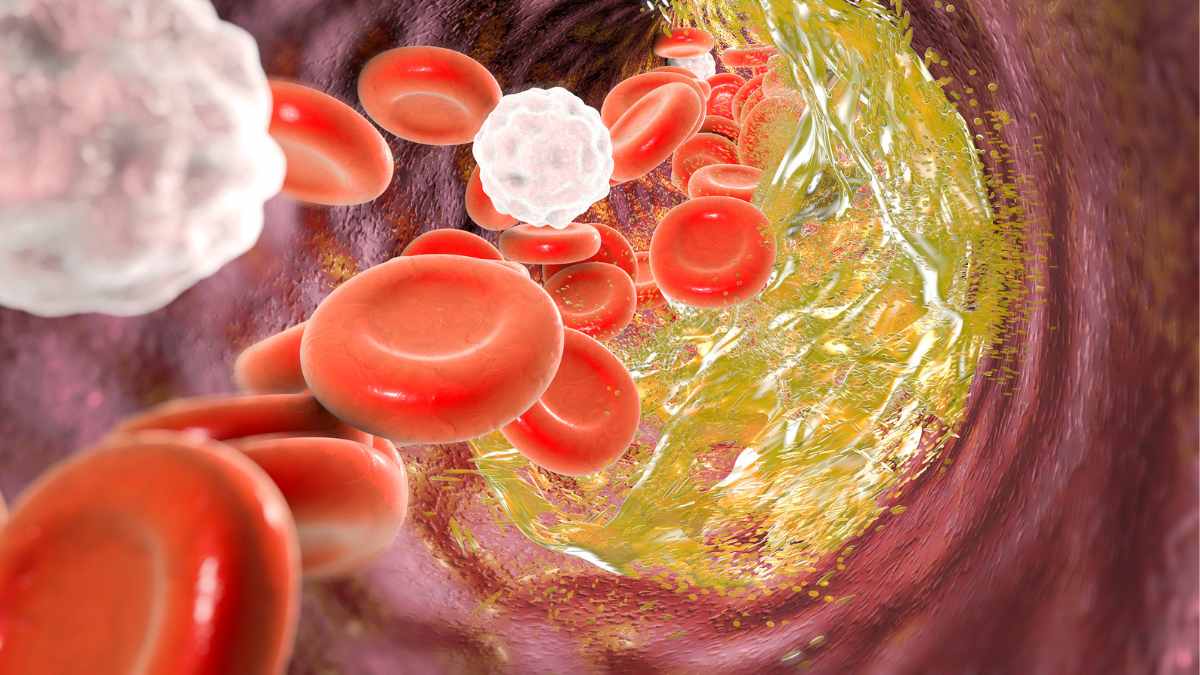
Cholesterol is categorized into two primary types: low-density lipoprotein (LDL) and high-density lipoprotein (HDL). LDL cholesterol, often referred to as "bad" cholesterol, can accumulate in the walls of arteries, leading to atherosclerosis, which increases the risk of heart attacks and strokes. In contrast, HDL cholesterol, known as "good" cholesterol, helps transport cholesterol away from the arteries and back to the liver for removal from the body. Maintaining a healthy balance between these two types is vital for cardiovascular health.
The implications of high LDL cholesterol levels are significant. Elevated LDL can lead to plaque formation in the arteries, which narrows them and restricts blood flow. This condition, known as coronary artery disease, can result in chest pain (angina) or heart attacks. Conversely, higher levels of HDL are associated with a reduced risk of heart disease, as it aids in the removal of cholesterol from the bloodstream. Understanding these dynamics is essential for implementing effective cholesterol management strategies.
Furthermore, cholesterol levels can be influenced by various factors, including genetics, age, and lifestyle choices. Individuals with a family history of high cholesterol or heart disease may be at a greater risk, highlighting the importance of regular monitoring and proactive management. Lifestyle factors, such as diet and physical activity, play a crucial role in determining cholesterol levels and overall heart health.
In summary, understanding the different types of cholesterol and their health implications is the first step toward effective management. By focusing on dietary choices and lifestyle changes, individuals can significantly influence their cholesterol levels and reduce the risk of cardiovascular diseases.
The Role of Diet in Managing Cholesterol Levels
Diet plays a pivotal role in managing cholesterol levels. The types of fats consumed are particularly important; saturated fats, commonly found in red meat and full-fat dairy products, can raise LDL cholesterol levels. Conversely, unsaturated fats, such as those found in olive oil, avocados, and nuts, can help lower LDL levels and increase HDL levels. This highlights the importance of choosing healthy fats in one’s diet to promote overall heart health.
Incorporating a variety of fruits, vegetables, whole grains, and legumes can also contribute to lower cholesterol levels. These foods are not only rich in essential nutrients but also provide antioxidants that combat inflammation, a contributing factor to heart disease. A diet high in processed foods, sugars, and trans fats, on the other hand, can adversely affect cholesterol levels and overall health.
Moreover, the Mediterranean diet, which emphasizes whole foods, healthy fats, and lean proteins, has been shown to improve cholesterol profiles. Studies indicate that individuals following this diet experience lower LDL levels and higher HDL levels, demonstrating the effectiveness of dietary patterns in cholesterol management. Adopting a balanced diet rich in whole foods is a fundamental strategy for maintaining healthy cholesterol levels.
In conclusion, diet is a critical component of cholesterol management. By focusing on healthy fats, whole foods, and balanced dietary patterns, individuals can effectively lower their cholesterol levels and reduce their risk of heart disease.
Natural Foods Proven to Effectively Lower Cholesterol
Several natural foods have been shown to effectively lower cholesterol levels. Oats are a prime example; they contain beta-glucan, a soluble fiber that helps reduce LDL cholesterol by forming a gel-like substance in the gut that binds cholesterol and prevents its absorption. Consuming a bowl of oatmeal for breakfast can be a simple yet effective way to start the day while promoting heart health.
Fatty fish, such as salmon and mackerel, are rich in omega-3 fatty acids, which have been shown to lower triglycerides and improve overall cholesterol levels. Omega-3s can also reduce inflammation and promote heart health. Incorporating fatty fish into the diet at least twice a week can provide these beneficial effects and contribute to a healthier lipid profile.
Nuts, particularly almonds and walnuts, are another excellent choice for lowering cholesterol. They are high in unsaturated fats, fiber, and plant sterols, all of which contribute to improved cholesterol levels. Studies have shown that consuming a handful of nuts daily can lead to significant reductions in LDL cholesterol.
Lastly, avocados are a nutrient-dense fruit that can help lower cholesterol levels. They are rich in monounsaturated fats and fiber, both of which are beneficial for heart health. Regular consumption of avocados has been linked to lower LDL levels and improved overall cholesterol profiles, making them a valuable addition to a heart-healthy diet.
The Impact of Fiber on Cholesterol Reduction Strategies
Fiber plays a crucial role in cholesterol reduction strategies, particularly soluble fiber, which dissolves in water and forms a gel-like substance in the digestive tract. This type of fiber can help lower LDL cholesterol by binding to cholesterol in the intestines and preventing its absorption into the bloodstream. Foods high in soluble fiber include oats, beans, lentils, apples, and citrus fruits.
Incorporating adequate fiber into the diet can also promote satiety, helping individuals maintain a healthy weight. Weight management is another important factor in cholesterol control, as excess body weight can contribute to elevated cholesterol levels. By including fiber-rich foods in meals and snacks, individuals can support both weight loss and cholesterol reduction efforts.
Moreover, the recommended daily intake of fiber is about 25 grams for women and 38 grams for men. However, many individuals fall short of these recommendations. Gradually increasing fiber intake and choosing whole foods over processed options can help individuals meet their fiber goals while simultaneously benefiting their cholesterol levels.
In summary, fiber is a powerful ally in cholesterol reduction strategies. By focusing on soluble fiber-rich foods, individuals can effectively lower LDL cholesterol and promote overall heart health.
Evaluating the Efficacy of Plant Sterols and Stanols
Plant sterols and stanols are naturally occurring substances found in certain plant-based foods that can help lower cholesterol levels. These compounds resemble cholesterol in structure and compete with cholesterol for absorption in the intestines, leading to reduced levels of LDL cholesterol in the bloodstream. Foods fortified with plant sterols and stanols, such as certain margarines, orange juice, and yogurt, have become increasingly popular for cholesterol management.
Research has shown that consuming about 2 grams of plant sterols or stanols daily can lead to a reduction in LDL cholesterol levels by 5-15%. This makes them a valuable addition to a heart-healthy diet, particularly for individuals with elevated cholesterol levels. However, it is important to note that while plant sterols and stanols can be effective, they should be used in conjunction with a balanced diet and healthy lifestyle for optimal results.
Incorporating plant sterols and stanols into the diet can be as simple as choosing fortified products or adding foods naturally high in these compounds, such as nuts, seeds, and whole grains. However, individuals should consult with healthcare professionals before making significant dietary changes, especially if they are on cholesterol-lowering medications.
In conclusion, plant sterols and stanols are effective natural compounds that can aid in lowering LDL cholesterol levels. By incorporating these substances into a balanced diet, individuals can enhance their cholesterol management efforts.
Lifestyle Changes Complementing Natural Cholesterol Remedies
In addition to dietary changes, certain lifestyle modifications can significantly impact cholesterol levels. Regular physical activity is one of the most effective ways to improve cholesterol profiles. Engaging in aerobic exercise, such as brisk walking, cycling, or swimming, can help raise HDL cholesterol while lowering LDL cholesterol and triglycerides. The American Heart Association recommends at least 150 minutes of moderate-intensity aerobic exercise each week for optimal heart health.
Another crucial lifestyle change is quitting smoking. Smoking has been shown to lower HDL cholesterol levels and increase the risk of heart disease. By quitting smoking, individuals can improve their cholesterol levels and overall cardiovascular health. Additionally, avoiding secondhand smoke is important for maintaining heart health.
Managing stress is also essential for cholesterol management. Chronic stress can lead to unhealthy eating habits, physical inactivity, and increased levels of inflammation, all of which can negatively impact cholesterol levels. Incorporating stress-reducing practices, such as mindfulness, yoga, or meditation, can help individuals maintain a healthy lifestyle and support their cholesterol management efforts.
Lastly, regular health check-ups are vital for monitoring cholesterol levels and overall heart health. By working with healthcare professionals, individuals can develop personalized strategies for managing cholesterol and reducing the risk of heart disease.
Conclusions:
In summary, managing cholesterol levels is a multifaceted approach that involves understanding the types of cholesterol, making informed dietary choices, incorporating natural foods, and adopting healthy lifestyle changes. By focusing on these strategies, individuals can effectively lower their cholesterol levels and promote overall heart health.
Read more:
- American Heart Association – Understanding Cholesterol – A comprehensive overview of cholesterol types and their health implications.
- Harvard Health Publishing – The Role of Diet in Managing Cholesterol – Insights into dietary choices that can impact cholesterol levels.
- Mayo Clinic – Natural Ways to Lower Cholesterol – Practical tips and natural foods for lowering cholesterol.
- Cleveland Clinic – The Impact of Fiber on Cholesterol – An exploration of how fiber affects cholesterol levels.
- National Institutes of Health – Plant Sterols and Stanols – A detailed analysis of the efficacy of plant sterols and stanols in cholesterol management.