
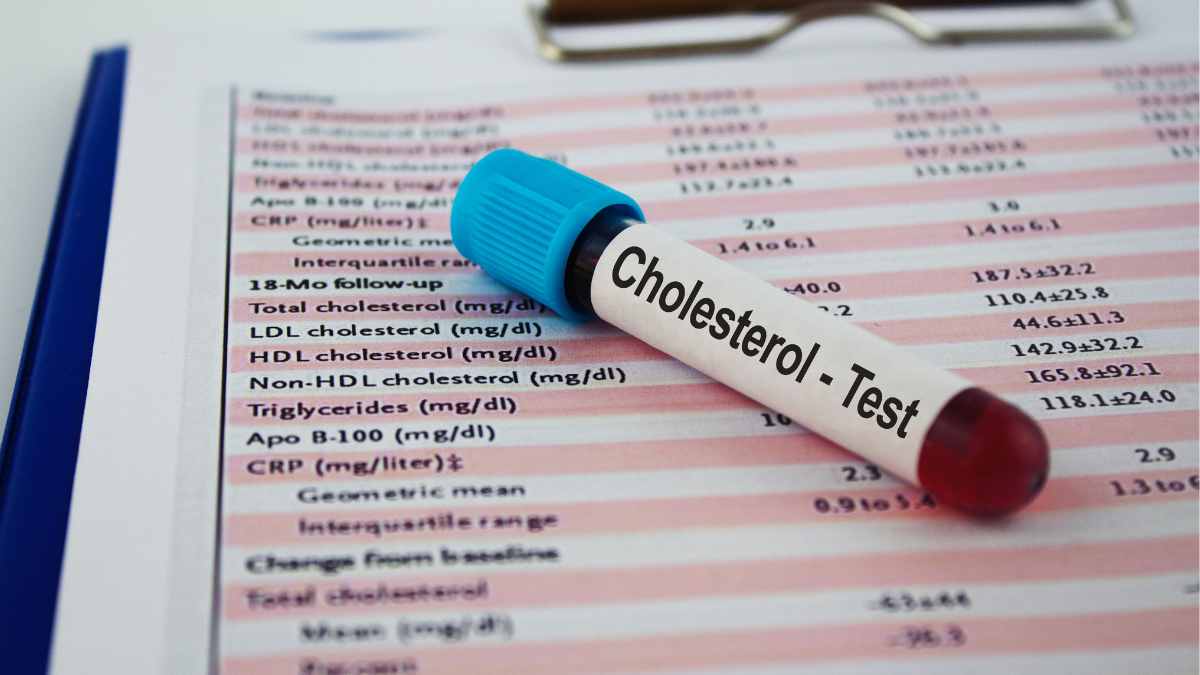

Introduction:
High cholesterol is a common health concern that affects millions of people worldwide. Understanding the underlying causes of elevated cholesterol levels is essential for effective management and prevention. Cholesterol is a waxy substance found in the body, playing vital roles in hormone production, vitamin D synthesis, and cell membrane formation. However, when cholesterol levels rise beyond normal limits, it can lead to serious health issues, including cardiovascular diseases. This article explores the primary causes of high cholesterol, emphasizing the intricate interplay between diet, genetics, lifestyle, and obesity.
Understanding Cholesterol: Types and Their Functions
Cholesterol is categorized into two main types: low-density lipoprotein (LDL) and high-density lipoprotein (HDL). LDL is often referred to as "bad" cholesterol because high levels can lead to plaque buildup in arteries, increasing the risk of heart disease and stroke. Conversely, HDL is known as "good" cholesterol, as it helps transport cholesterol away from the arteries and back to the liver for elimination. Maintaining a balance between these two types is crucial for cardiovascular health.
The liver produces the majority of cholesterol in the body, which is essential for various physiological functions. Cholesterol contributes to the formation of cell membranes, ensuring their integrity and fluidity. It also serves as a precursor for steroid hormones, such as cortisol and sex hormones, and is involved in the synthesis of bile acids, which are necessary for fat digestion. Understanding these functions highlights the importance of regulating cholesterol levels rather than eliminating it entirely from the diet.
In addition to LDL and HDL, triglycerides are another type of fat found in the blood that can impact cholesterol levels. Elevated triglycerides often accompany high LDL cholesterol and low HDL cholesterol, further increasing cardiovascular risk. Thus, a comprehensive understanding of these lipid profiles is essential for assessing overall heart health and determining appropriate interventions.
Regular cholesterol screenings are recommended, especially for individuals with risk factors such as a family history of heart disease, obesity, or diabetes. These screenings help identify cholesterol imbalances early, allowing for timely lifestyle modifications and medical interventions.
The Role of Diet in Cholesterol Levels
Diet plays a pivotal role in influencing cholesterol levels. Saturated fats and trans fats are particularly notorious for raising LDL cholesterol levels. Foods high in saturated fats include fatty cuts of meat, full-fat dairy products, and certain oils, while trans fats are often found in processed foods, such as baked goods and margarine. Reducing the intake of these fats can significantly lower LDL cholesterol and improve overall heart health.
Conversely, a diet rich in unsaturated fats can help raise HDL cholesterol levels. Foods such as avocados, nuts, seeds, and olive oil are excellent sources of healthy fats that promote cardiovascular health. Incorporating these foods into the diet can enhance cholesterol profiles and support overall well-being. Additionally, increasing the intake of soluble fiber, found in oats, beans, lentils, and fruits, can help lower LDL cholesterol by binding to cholesterol in the digestive system and facilitating its excretion.
Moreover, the consumption of plant sterols and stanols, which are compounds found in certain fortified foods, can also aid in lowering cholesterol levels. These substances compete with cholesterol for absorption in the intestines, effectively reducing the amount of cholesterol that enters the bloodstream. Including these functional foods in a balanced diet can be a strategic approach to managing cholesterol.
It is essential to adopt a holistic approach to diet, focusing on overall dietary patterns rather than isolated nutrients. A Mediterranean-style diet, characterized by high consumption of fruits, vegetables, whole grains, and healthy fats, has been associated with improved cholesterol levels and reduced cardiovascular risk.
Genetic Factors Influencing Cholesterol Production
While diet and lifestyle are significant contributors to cholesterol levels, genetic factors also play a crucial role. Familial hypercholesterolemia is a genetic disorder that leads to extremely high levels of LDL cholesterol, often resulting in early cardiovascular disease. Individuals with this condition have a mutation in the genes responsible for the receptors that remove LDL cholesterol from the bloodstream, leading to its accumulation.
Even in the absence of genetic disorders, individual genetic makeup can influence how the body processes and regulates cholesterol. Some people may naturally produce more cholesterol or have a reduced ability to clear it from the bloodstream, making them more susceptible to high cholesterol levels. Understanding one’s genetic predisposition can help tailor prevention and treatment strategies.
Genetic testing can provide valuable insights into an individual’s cholesterol metabolism and risk factors. For those with a family history of high cholesterol or heart disease, genetic counseling may be beneficial. This approach allows for personalized management plans that address both lifestyle modifications and potential pharmacological interventions.
Research continues to explore the complex interactions between genetics and environmental factors in cholesterol regulation. As our understanding of these relationships deepens, it may lead to more effective strategies for managing cholesterol levels and reducing cardiovascular risk.
Sedentary Lifestyle: A Major Contributor to High Cholesterol
A sedentary lifestyle is a significant contributor to high cholesterol levels. Physical inactivity can lead to weight gain and negatively impact lipid profiles, increasing LDL cholesterol and decreasing HDL cholesterol. Regular physical activity is essential for maintaining a healthy weight and promoting overall cardiovascular health.
Engaging in moderate-intensity aerobic exercise, such as brisk walking, cycling, or swimming, can help raise HDL cholesterol levels while lowering LDL cholesterol. The American Heart Association recommends at least 150 minutes of moderate aerobic activity per week to achieve these benefits. Incorporating strength training exercises at least two days a week can further enhance overall fitness and support healthy cholesterol levels.
Additionally, physical activity helps improve insulin sensitivity and reduce inflammation, both of which are important factors in cholesterol regulation. Exercise also promotes the release of endorphins, which can enhance mood and reduce stress, contributing to a healthier lifestyle overall.
For individuals with sedentary jobs or lifestyles, finding ways to incorporate movement throughout the day is crucial. Simple strategies, such as taking short breaks to stand or walk, using stairs instead of elevators, and engaging in active hobbies, can significantly impact cholesterol levels and overall health.
The Impact of Obesity on Cholesterol Levels
Obesity is closely linked to high cholesterol levels and is a significant risk factor for cardiovascular disease. Excess body fat, particularly visceral fat around the abdomen, can disrupt lipid metabolism, leading to increased production of LDL cholesterol and decreased levels of HDL cholesterol. This imbalance can significantly elevate the risk of heart disease and other related conditions.
The relationship between obesity and cholesterol is complex and influenced by various factors, including diet, physical activity, and genetics. Weight loss, even in modest amounts, can lead to significant improvements in cholesterol levels. Studies have shown that losing just 5-10% of body weight can result in noticeable reductions in LDL cholesterol and triglycerides, along with increases in HDL cholesterol.
Implementing a comprehensive weight management plan that includes a balanced diet and regular physical activity is essential for individuals struggling with obesity. Behavioral modifications, such as mindful eating and portion control, can also support sustainable weight loss and improve cholesterol profiles.
Healthcare providers often recommend regular monitoring of cholesterol levels for individuals with obesity. This proactive approach allows for early intervention and the implementation of personalized strategies to manage cholesterol effectively and reduce cardiovascular risk.
Managing High Cholesterol: Prevention and Treatment Strategies
Managing high cholesterol requires a multifaceted approach that includes lifestyle modifications, dietary changes, and, in some cases, medication. Preventive measures are crucial for individuals at risk of developing high cholesterol or those with a family history of heart disease. Regular cholesterol screenings can help identify imbalances early, allowing for timely interventions.
Adopting a heart-healthy diet is one of the most effective strategies for managing cholesterol levels. Incorporating foods rich in fiber, healthy fats, and antioxidants can significantly improve lipid profiles. Additionally, reducing the intake of saturated and trans fats is essential for lowering LDL cholesterol.
Physical activity is another critical component of cholesterol management. Establishing a regular exercise routine can help raise HDL cholesterol and lower LDL cholesterol, contributing to overall cardiovascular health. For individuals unable to engage in vigorous exercise, even moderate activities can provide significant benefits.
In some cases, lifestyle changes may not be sufficient to achieve desired cholesterol levels, and healthcare providers may prescribe medications such as statins. These medications work by reducing the liver’s production of cholesterol and increasing the clearance of LDL cholesterol from the bloodstream. Regular follow-up with healthcare providers is essential to monitor cholesterol levels and adjust treatment plans as needed.
Conclusions:
Understanding the various factors contributing to high cholesterol is essential for effective management and prevention. By addressing dietary habits, genetic predispositions, lifestyle choices, and obesity, individuals can take proactive steps to maintain healthy cholesterol levels. A comprehensive approach that includes regular monitoring, lifestyle modifications, and medical interventions when necessary can significantly reduce the risk of cardiovascular disease and improve overall health.
Read more
-
American Heart Association – Cholesterol
This resource provides comprehensive information on cholesterol, including its types, functions, and recommendations for maintaining healthy levels. -
Mayo Clinic – High Cholesterol
The Mayo Clinic offers detailed insights into the causes, symptoms, and treatment options for high cholesterol. -
National Heart, Lung, and Blood Institute – High Blood Cholesterol
This site presents valuable information on cholesterol management, including lifestyle changes and medication options. -
Centers for Disease Control and Prevention – Cholesterol
The CDC provides statistics, facts, and guidelines for cholesterol management, emphasizing the importance of awareness and prevention. -
Harvard Health Publishing – Understanding Cholesterol
This article from Harvard Health delves into the complexities of cholesterol, including its types and the impact of diet and lifestyle on cholesterol levels.