

Introduction:
Cholesterol is a waxy substance found in your blood, essential for building cells and producing certain hormones. However, having high levels of cholesterol can lead to serious health issues, including heart disease and stroke. Understanding the types of cholesterol and the foods that contribute to elevated levels is crucial for maintaining a healthy lifestyle. This article explores the relationship between diet and cholesterol, focusing on specific foods that can negatively impact cholesterol levels.
Understanding Cholesterol: Types and Their Impact on Health
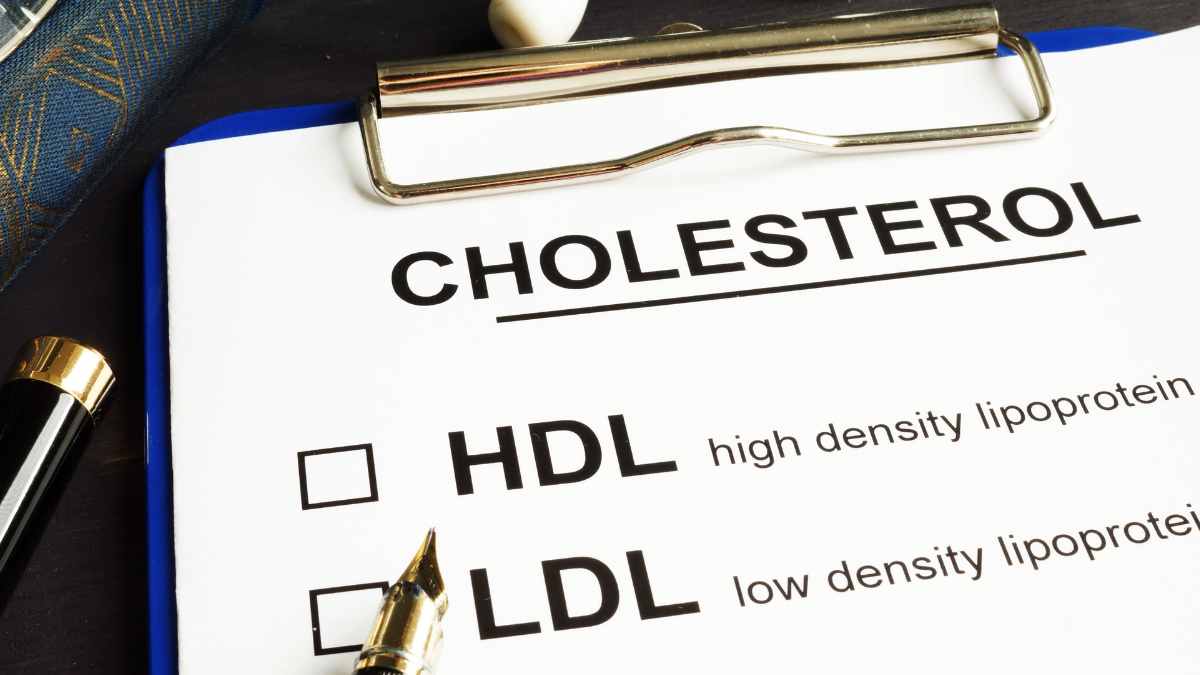
Cholesterol is categorized into two main types: low-density lipoprotein (LDL) and high-density lipoprotein (HDL). LDL is often referred to as "bad" cholesterol because it can lead to the buildup of plaque in arteries, increasing the risk of cardiovascular diseases. In contrast, HDL is known as "good" cholesterol" as it helps remove LDL cholesterol from the bloodstream. The balance between these two types is critical for overall health.
The body produces cholesterol naturally, but dietary choices can significantly influence cholesterol levels. High levels of LDL cholesterol can lead to atherosclerosis, a condition where arteries become narrowed and hardened, reducing blood flow. This can result in serious health complications, including heart attacks and strokes. Understanding how dietary choices affect these cholesterol levels is essential for effective management.
Moreover, cholesterol levels can be influenced by various factors, including genetics, lifestyle, and diet. While some individuals may have a genetic predisposition to high cholesterol, others can manage their levels through dietary changes and lifestyle modifications. Recognizing the impact of food choices is a vital step in controlling cholesterol levels.
In summary, cholesterol is a complex substance that plays a significant role in health. The types of cholesterol and their effects on the body underscore the importance of making informed dietary choices to maintain a healthy balance and prevent cardiovascular diseases.
The Role of Saturated Fats in Cholesterol Levels
Saturated fats are primarily found in animal products and certain plant oils. These fats can elevate LDL cholesterol levels in the bloodstream, contributing to the risk of heart disease. Foods high in saturated fats include red meat, full-fat dairy products, butter, and certain oils like coconut and palm oil.
When consumed in excess, saturated fats can disrupt the balance between LDL and HDL cholesterol. The American Heart Association recommends limiting saturated fat intake to less than 6% of total daily calories. This means that for a 2,000-calorie diet, no more than 120 calories should come from saturated fats, or about 13 grams.
In addition to raising LDL cholesterol, saturated fats may also affect the body’s ability to clear cholesterol from the bloodstream. This can lead to a higher overall cholesterol level, further exacerbating health risks. Reducing saturated fat intake is a crucial strategy for managing cholesterol levels effectively.
In conclusion, understanding the role of saturated fats in cholesterol levels is essential for making healthier dietary choices. By limiting the intake of saturated fats, individuals can positively influence their cholesterol levels and reduce the risk of cardiovascular diseases.
Trans Fats: The Hidden Dangers in Processed Foods
Trans fats are artificially created fats found in many processed foods. These fats are formed through a process called hydrogenation, which solidifies liquid oils to improve shelf life and texture. Trans fats are particularly harmful because they not only raise LDL cholesterol but also lower HDL cholesterol, creating a double whammy for heart health.
Common sources of trans fats include baked goods, margarine, snack foods, and fried foods. Even small amounts of trans fats can have a significant impact on cholesterol levels, making it essential to read food labels carefully. The FDA has mandated that trans fats must be listed on nutrition labels, allowing consumers to make more informed choices.
Despite the known dangers, some products still contain trans fats, often labeled as "partially hydrogenated oils." Avoiding these products is crucial for maintaining healthy cholesterol levels. Many health organizations recommend eliminating trans fats from the diet entirely, as there is no safe level of consumption.
In summary, trans fats pose a significant risk to cholesterol levels and overall heart health. By avoiding processed foods high in trans fats, individuals can take proactive steps to protect their cardiovascular health and maintain optimal cholesterol levels.
Dietary Cholesterol: How Much Does It Really Matter?
Dietary cholesterol is found in animal-based foods such as eggs, shellfish, and organ meats. For many years, it was believed that consuming high amounts of dietary cholesterol directly contributed to elevated blood cholesterol levels. However, recent research has shown that the relationship between dietary cholesterol and blood cholesterol is more complex than previously thought.
For most people, dietary cholesterol has a minimal impact on blood cholesterol levels. The body regulates its cholesterol production, meaning that when dietary cholesterol intake increases, the body often compensates by reducing its own production. This regulatory mechanism varies among individuals, with some people being more sensitive to dietary cholesterol than others.
Current dietary guidelines suggest that most individuals can safely consume eggs and other foods high in dietary cholesterol without significantly affecting their cholesterol levels. However, individuals with certain health conditions, such as diabetes or existing heart disease, may need to be more cautious.
In conclusion, while dietary cholesterol can influence blood cholesterol levels, its impact is not as significant as once thought. Understanding individual responses to dietary cholesterol can help individuals make informed choices about their diets while still enjoying a variety of foods.
Common Foods Linked to Elevated Cholesterol Levels
Several common foods are linked to elevated cholesterol levels, primarily due to their saturated and trans fat content. Red meats, such as beef and lamb, are high in saturated fats and can contribute to increased LDL cholesterol levels when consumed in excess. Processed meats, including sausages and bacon, are also culprits, often containing both saturated fats and trans fats.
Full-fat dairy products, such as cheese, cream, and butter, are another significant source of saturated fats. These foods can raise LDL cholesterol levels, especially when consumed in large quantities. Choosing low-fat or fat-free dairy options can be a healthier alternative.
Fried foods, particularly those cooked in partially hydrogenated oils, are high in trans fats, which can have detrimental effects on cholesterol levels. Fast food items, pastries, and commercial baked goods often contain these harmful fats, making them a poor choice for those looking to manage their cholesterol levels.
In summary, being aware of the foods that can elevate cholesterol levels is essential for making healthier dietary choices. By limiting the intake of red meats, full-fat dairy products, and fried foods, individuals can better manage their cholesterol levels and reduce the risk of heart disease.
Strategies for Reducing Cholesterol Through Diet Choices
Making dietary changes is one of the most effective ways to manage cholesterol levels. Incorporating more fruits, vegetables, whole grains, and legumes into the diet can help lower LDL cholesterol. These foods are rich in fiber, which can help reduce cholesterol absorption in the bloodstream.
Another strategy is to replace saturated fats with healthier fats. Using olive oil, avocado, and nuts instead of butter or margarine can positively influence cholesterol levels. These unsaturated fats can help raise HDL cholesterol while lowering LDL cholesterol.
Regular consumption of fatty fish, such as salmon and mackerel, is also beneficial. These fish are high in omega-3 fatty acids, which can help lower triglycerides and improve overall heart health. Aim for at least two servings of fatty fish per week to reap these benefits.
Lastly, staying hydrated and maintaining a healthy weight are crucial components of cholesterol management. Regular physical activity can also help improve cholesterol levels and overall cardiovascular health. Engaging in at least 150 minutes of moderate aerobic exercise each week can make a significant difference.
In conclusion, adopting a heart-healthy diet is essential for managing cholesterol levels effectively. By incorporating more whole foods, healthy fats, and regular exercise into daily routines, individuals can take control of their cholesterol and overall health.
Conclusions:
Managing cholesterol levels through dietary choices is a vital aspect of maintaining heart health. By understanding the types of cholesterol, recognizing the impact of saturated and trans fats, and making informed food choices, individuals can significantly reduce their risk of cardiovascular diseases. Emphasizing a diet rich in fruits, vegetables, whole grains, and healthy fats can lead to improved cholesterol levels and overall well-being.
Read more
-
American Heart Association – Understanding Cholesterol
This resource provides comprehensive information about cholesterol, its types, and their effects on heart health. -
Mayo Clinic – Cholesterol: Top Foods to Avoid
A detailed guide on foods that can elevate cholesterol levels and tips for making healthier choices. -
Harvard Health – The Truth About Dietary Cholesterol
An insightful article discussing the complex relationship between dietary cholesterol and blood cholesterol levels. -
CDC – Cholesterol Basics
The Centers for Disease Control and Prevention offer an overview of cholesterol, its types, and the importance of managing levels. -
Cleveland Clinic – Foods That Lower Cholesterol
This resource outlines various foods that can help lower cholesterol levels and promote heart health.