

Introduction:
Cholesterol is a waxy substance found in the cells of the body and is essential for the production of hormones, vitamin D, and bile acids that help digest fat. However, not all cholesterol is created equal. Understanding the different types of cholesterol and their impact on health is crucial for maintaining a healthy heart. This article delves into the relationship between nuts and cholesterol, identifying which nuts may be detrimental to cholesterol levels and offering guidance on making heart-healthy choices.
Understanding Cholesterol: Types and Their Impact on Health
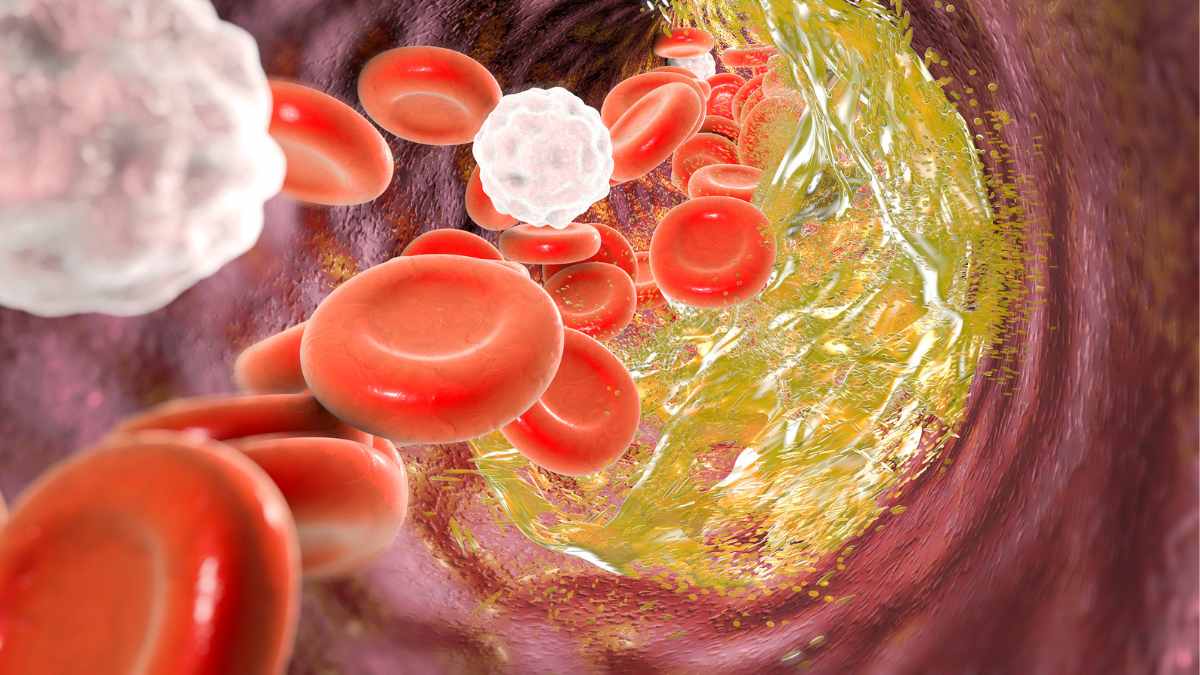
Cholesterol is categorized into two primary types: low-density lipoprotein (LDL) and high-density lipoprotein (HDL). LDL cholesterol is often referred to as "bad" cholesterol because high levels can lead to plaque buildup in arteries, increasing the risk of heart disease and stroke. Conversely, HDL cholesterol is known as "good" cholesterol as it helps transport cholesterol away from the arteries and back to the liver, where it can be processed and eliminated from the body.
The balance between LDL and HDL is essential for cardiovascular health. A diet high in saturated fats and trans fats can elevate LDL levels, while a diet rich in unsaturated fats can help raise HDL levels. Lifestyle factors such as physical activity, smoking cessation, and maintaining a healthy weight also play significant roles in managing cholesterol levels.
Understanding these dynamics is vital for making informed dietary choices. Individuals with high cholesterol or those at risk for heart disease should pay particular attention to their intake of fats, including those found in nuts. While many nuts are beneficial, some may contribute to increased cholesterol levels due to their fat content.
Regular monitoring of cholesterol levels through blood tests can help individuals understand their personal risk factors and make necessary adjustments to their diet and lifestyle. Consulting healthcare professionals for personalized advice is also recommended.
The Role of Nuts in a Heart-Healthy Diet Explained
Nuts are often touted as a heart-healthy snack due to their rich nutrient profile, including healthy fats, fiber, vitamins, and minerals. They are a source of monounsaturated and polyunsaturated fats, which can help improve cholesterol levels when consumed in moderation. These healthy fats can lower LDL cholesterol while raising HDL cholesterol, contributing to overall heart health.
In addition to healthy fats, nuts are high in antioxidants, which combat oxidative stress and inflammation, both of which are linked to heart disease. Fiber found in nuts also aids in lowering cholesterol levels by binding to cholesterol in the digestive system and facilitating its excretion.
However, not all nuts have the same effect on cholesterol levels. The type of fat present in nuts varies significantly, and some nuts contain higher amounts of saturated fat, which can negatively impact cholesterol levels if consumed excessively. Therefore, understanding the specific fat content of different nuts is essential for those monitoring their cholesterol.
Incorporating a variety of nuts into a balanced diet can be beneficial, but it is crucial to be mindful of portion sizes. Nuts are calorie-dense, and excessive consumption can lead to weight gain, which itself is a risk factor for high cholesterol.
Identifying Nuts with High Saturated Fat Content
While many nuts are beneficial for heart health, some contain higher levels of saturated fat, which can raise LDL cholesterol levels. Coconut and palm nuts, for instance, are notable for their high saturated fat content. A typical serving of dried coconut can contain around 30 grams of fat, with over 25% being saturated fat.
Macadamia nuts also have a relatively high saturated fat content compared to other nuts. Although they contain healthy monounsaturated fats, their overall fat composition can be a concern for individuals with high cholesterol. A serving of macadamia nuts can provide about 21 grams of fat, with approximately 3.4 grams being saturated fat.
Pine nuts, while lower in saturated fat than coconut and macadamia nuts, still contain a moderate amount. They are often used in pesto and other dishes, making portion control essential for those watching their cholesterol levels.
In contrast, nuts like almonds, walnuts, and pistachios have lower saturated fat levels and are generally recommended for those looking to manage their cholesterol. Understanding the fat composition of different nuts is crucial for making informed dietary choices that support heart health.
Analyzing the Cholesterol-Related Effects of Specific Nuts
When considering the impact of specific nuts on cholesterol levels, it is essential to analyze their overall nutritional profile. Almonds are often highlighted for their cholesterol-lowering properties. Studies have shown that consuming almonds can lead to a significant reduction in LDL cholesterol levels, making them a top choice for heart health.
Walnuts are another excellent option, rich in omega-3 fatty acids, which have been linked to improved heart health. Regular consumption of walnuts has been associated with lower cholesterol levels and reduced inflammation, contributing to overall cardiovascular health.
On the other hand, Brazil nuts, while nutritious, are high in selenium and fat, which can be a concern if consumed in excess. They contain about 19 grams of fat per ounce, with a portion being saturated fat. Moderation is key, as excessive intake may lead to elevated cholesterol levels.
Pistachios, known for their lower calorie content, are also beneficial. They contain a good balance of healthy fats and have been shown to help lower LDL cholesterol levels when included in a heart-healthy diet.
Recommended Nuts for Lowering Cholesterol Levels Effectively
For those looking to lower their cholesterol levels, incorporating specific nuts into their diet can be beneficial. Almonds stand out as one of the best options due to their high content of monounsaturated fats, fiber, and vitamin E, all of which contribute to improved cholesterol profiles.
Walnuts are also highly recommended, particularly for their omega-3 fatty acids. Including a handful of walnuts in your daily diet can provide significant heart health benefits, especially for individuals with elevated cholesterol levels.
Pistachios are another excellent choice, as they can help reduce LDL cholesterol while providing a satisfying snack. Their unique combination of healthy fats, fiber, and antioxidants makes them a great addition to a heart-healthy diet.
Lastly, hazelnuts are worth mentioning for their beneficial effects on cholesterol. They contain a good amount of monounsaturated fats and have been shown to improve lipid profiles when consumed regularly.
Conclusion: Making Informed Choices for Heart Health
In summary, while nuts can be a valuable addition to a heart-healthy diet, it is essential to be mindful of their fat content, particularly saturated fat. Nuts like almonds, walnuts, pistachios, and hazelnuts are excellent choices for lowering cholesterol levels, while coconut and macadamia nuts should be consumed in moderation due to their higher saturated fat content.
Understanding the types of cholesterol and how dietary choices impact them is crucial for maintaining heart health. By making informed choices about nut consumption and incorporating a variety of heart-healthy foods into your diet, you can effectively manage cholesterol levels and reduce the risk of cardiovascular disease.
Conclusions:
Ultimately, individuals should consult with healthcare professionals to tailor dietary choices to their specific health needs. Regular monitoring of cholesterol levels, combined with a balanced diet rich in healthy fats, can help achieve optimal heart health.
Read more
- American Heart Association: Nuts and Heart Health – A comprehensive guide on the benefits of nuts for heart health.
- Harvard Health Publishing: The Health Benefits of Nuts – An article discussing the nutritional benefits of various nuts and their impact on heart health.
- Mayo Clinic: Cholesterol: Top Foods to Lower Your Numbers – A resource detailing foods that can help manage cholesterol levels, including nuts.
- Cleveland Clinic: Nuts and Your Heart – Insights into how different types of nuts affect heart health.
- National Institutes of Health: Dietary Fats and Cardiovascular Disease – A scientific review on the relationship between dietary fats, including those in nuts, and cardiovascular health.