

Introduction:
Cholesterol is a waxy substance found in the cells of the body and in the blood. It plays a crucial role in the formation of cell membranes, hormones, and vitamin D. However, not all cholesterol is created equal. Understanding the different types of cholesterol and their implications on health is essential for maintaining cardiovascular well-being. This article will explore the various aspects of cholesterol, including what constitutes alarming levels, the associated health risks, and effective strategies for management.
Understanding Cholesterol: Types and Their Functions
Cholesterol exists in two primary forms: low-density lipoprotein (LDL) and high-density lipoprotein (HDL). LDL cholesterol is often referred to as "bad" cholesterol because it can lead to the buildup of plaque in the arteries, increasing the risk of heart disease and stroke. In contrast, HDL cholesterol is known as "good" cholesterol, as it helps remove LDL cholesterol from the bloodstream, transporting it to the liver for elimination.
In addition to LDL and HDL, there is also very-low-density lipoprotein (VLDL), which primarily carries triglycerides, another type of fat in the blood. Elevated levels of VLDL can contribute to the development of plaque in the arteries, further complicating cardiovascular health. Understanding these types is crucial for interpreting cholesterol tests and assessing overall health.
Cholesterol is not inherently harmful; it is vital for several bodily functions, including hormone production and the synthesis of bile acids, which aid in digestion. However, the balance between LDL and HDL is critical. An excess of LDL or a deficiency in HDL can lead to serious health issues. Thus, monitoring cholesterol levels is an essential aspect of preventive healthcare.
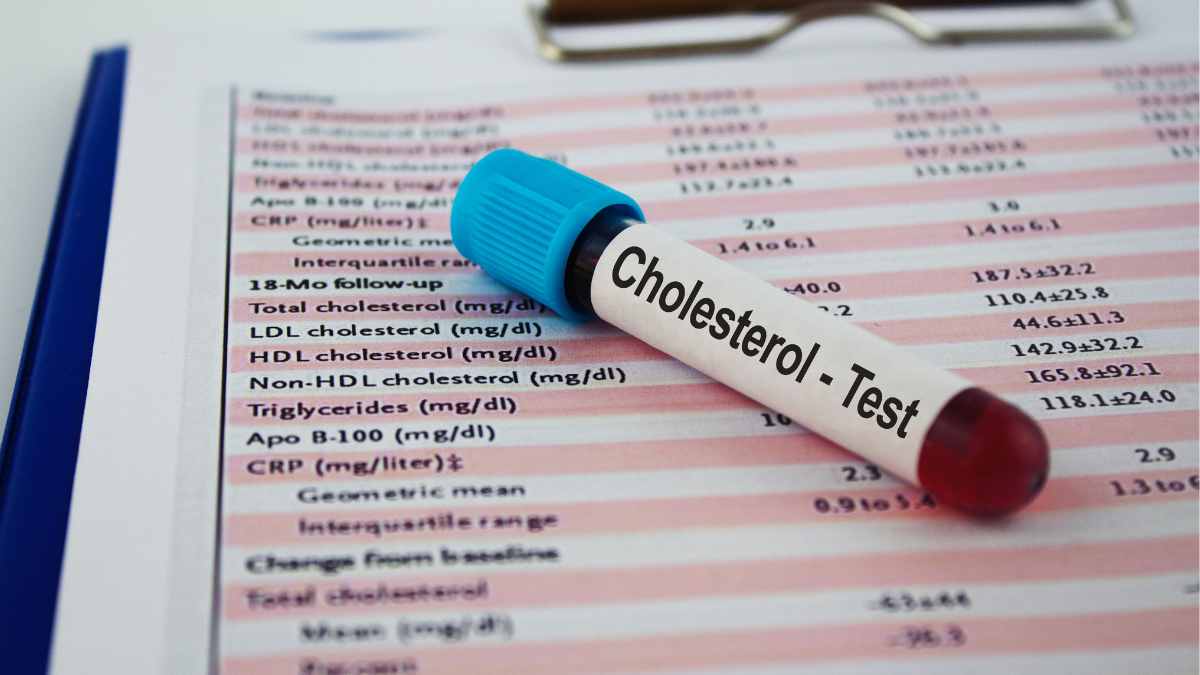
Regular cholesterol testing is recommended, especially for individuals with risk factors such as obesity, diabetes, or a family history of heart disease. These tests provide insight into an individual’s cholesterol levels and help inform necessary lifestyle changes or medical interventions.
Normal Cholesterol Levels: What the Numbers Indicate
Cholesterol levels are measured in milligrams per deciliter (mg/dL) of blood. According to the American Heart Association, the following ranges are considered normal: Total cholesterol should be less than 200 mg/dL, LDL cholesterol should be less than 100 mg/dL, and HDL cholesterol should be 60 mg/dL or higher. Triglyceride levels should ideally be less than 150 mg/dL.
When assessing cholesterol levels, it is essential to consider the complete lipid profile. A total cholesterol level of 200-239 mg/dL is borderline high, while levels of 240 mg/dL and above are considered high. For LDL cholesterol, levels between 100-129 mg/dL are near optimal, while levels of 130-159 mg/dL are borderline high, and anything above 160 mg/dL is high.
HDL cholesterol levels also play a significant role in cardiovascular health. A level of less than 40 mg/dL for men and less than 50 mg/dL for women is considered a risk factor for heart disease. Conversely, higher levels of HDL are protective against heart disease, making it essential to maintain a healthy balance.
Understanding these numbers is crucial for individuals to interpret their cholesterol tests accurately. Regular monitoring and consultation with healthcare providers can help individuals make informed decisions regarding their health.
Identifying High Cholesterol: Key Risk Factors to Monitor
Several risk factors contribute to high cholesterol levels, many of which are modifiable through lifestyle changes. Diet plays a significant role; diets high in saturated fats, trans fats, and cholesterol can elevate LDL levels. Foods such as red meat, full-fat dairy products, and processed foods should be consumed in moderation to maintain healthy cholesterol levels.
Physical inactivity is another critical risk factor. Regular exercise can help raise HDL cholesterol while lowering LDL cholesterol and triglycerides. Engaging in at least 150 minutes of moderate aerobic activity per week is recommended to promote cardiovascular health.
Other significant risk factors include obesity and smoking. Excess body weight is associated with higher LDL levels and lower HDL levels, while smoking can damage blood vessels and lower HDL cholesterol. Quitting smoking can improve cholesterol levels and overall heart health.
Finally, genetics also play a role in cholesterol levels. Familial hypercholesterolemia is a genetic condition that results in high cholesterol levels and increases the risk of heart disease. Individuals with a family history of high cholesterol should be particularly vigilant in monitoring their levels.
The Alarming Range: When Cholesterol Becomes Concerning
Cholesterol levels become alarming when they exceed the normal ranges. For total cholesterol, levels above 240 mg/dL indicate a high risk for cardiovascular disease. LDL cholesterol levels above 160 mg/dL are considered high, and levels above 190 mg/dL are very high, necessitating immediate intervention.
For HDL cholesterol, levels below 40 mg/dL in men and 50 mg/dL in women are concerning, as they indicate a higher risk of heart disease. Low HDL levels can negate the protective effects of high HDL, further increasing cardiovascular risk.
Triglyceride levels also warrant attention; levels above 200 mg/dL are considered high, and levels above 500 mg/dL are very high, significantly increasing the risk of pancreatitis and cardiovascular diseases.
Monitoring these alarming ranges is essential for timely intervention. Individuals with elevated cholesterol levels should consult healthcare providers for a comprehensive assessment and personalized management plan.
Health Implications of Elevated Cholesterol Levels
Elevated cholesterol levels can lead to a myriad of health complications, primarily affecting the cardiovascular system. High LDL levels can contribute to the formation of plaque in the arteries, leading to a condition known as atherosclerosis. This condition narrows the arteries, reducing blood flow and increasing the risk of heart attacks and strokes.
Additionally, high cholesterol can lead to the development of coronary artery disease (CAD), where the heart’s arteries become narrowed or blocked, resulting in chest pain (angina) or heart attacks. The risk of developing CAD increases with age, particularly in individuals with other risk factors such as hypertension or diabetes.
Moreover, elevated cholesterol levels can also impact other organs. For instance, high triglyceride levels can lead to pancreatitis, an inflammation of the pancreas that can cause severe abdominal pain and digestive issues.
Long-term elevated cholesterol levels can also contribute to the development of peripheral artery disease (PAD), which affects blood flow to the limbs and can lead to pain, numbness, and even gangrene in severe cases.
Strategies for Managing and Reducing Cholesterol Levels
Managing and reducing cholesterol levels involves a multi-faceted approach focusing on lifestyle changes and, if necessary, medication. Dietary modifications are crucial; incorporating more fruits, vegetables, whole grains, and healthy fats (such as those found in fish and nuts) can help lower LDL cholesterol levels. Reducing intake of saturated and trans fats is also essential.
Regular physical activity is another key strategy. Engaging in aerobic exercises, such as walking, jogging, or cycling, can help improve cholesterol levels by increasing HDL cholesterol and lowering LDL cholesterol. Aim for at least 150 minutes of moderate exercise each week.
Weight management is also critical. Losing even a small percentage of body weight can significantly impact cholesterol levels and overall cardiovascular health.
For some individuals, lifestyle changes alone may not be sufficient, and healthcare providers may prescribe medications such as statins to help lower cholesterol levels. It is essential to follow a healthcare provider’s recommendations and have regular check-ups to monitor cholesterol levels effectively.
Conclusions:
Understanding cholesterol and its implications for health is crucial for preventing cardiovascular diseases. Monitoring cholesterol levels, recognizing alarming ranges, and implementing effective management strategies can significantly reduce health risks. By adopting a healthy lifestyle and working closely with healthcare providers, individuals can take proactive steps toward maintaining optimal cholesterol levels and overall well-being.
Read more
-
American Heart Association – Understanding Cholesterol
This resource provides comprehensive information about cholesterol types and their functions, helping readers understand the importance of monitoring cholesterol levels. -
Centers for Disease Control and Prevention – Cholesterol
The CDC offers valuable insights into cholesterol management, including normal ranges and the impact of high cholesterol on health. -
Mayo Clinic – High Cholesterol
This article discusses the causes, symptoms, and treatment options for high cholesterol, providing a well-rounded perspective on the issue. -
National Heart, Lung, and Blood Institute – High Blood Cholesterol
This resource outlines the implications of high cholesterol and offers strategies for management and prevention. -
Harvard Health Publishing – Cholesterol and Heart Disease
This article explores the relationship between cholesterol levels and heart disease, emphasizing the importance of maintaining healthy cholesterol levels for cardiovascular health.