

Introduction:
Managing high cholesterol is crucial for maintaining heart health and reducing the risk of cardiovascular diseases. While many individuals focus on their food choices, it’s equally important to consider beverages that can influence cholesterol levels. Certain drinks can exacerbate the condition, while others can support a healthier lifestyle. This article delves into what to avoid in your drink choices if you have high cholesterol, emphasizing the role of dietary decisions in managing this health issue.
Understanding Cholesterol: The Role of Dietary Choices
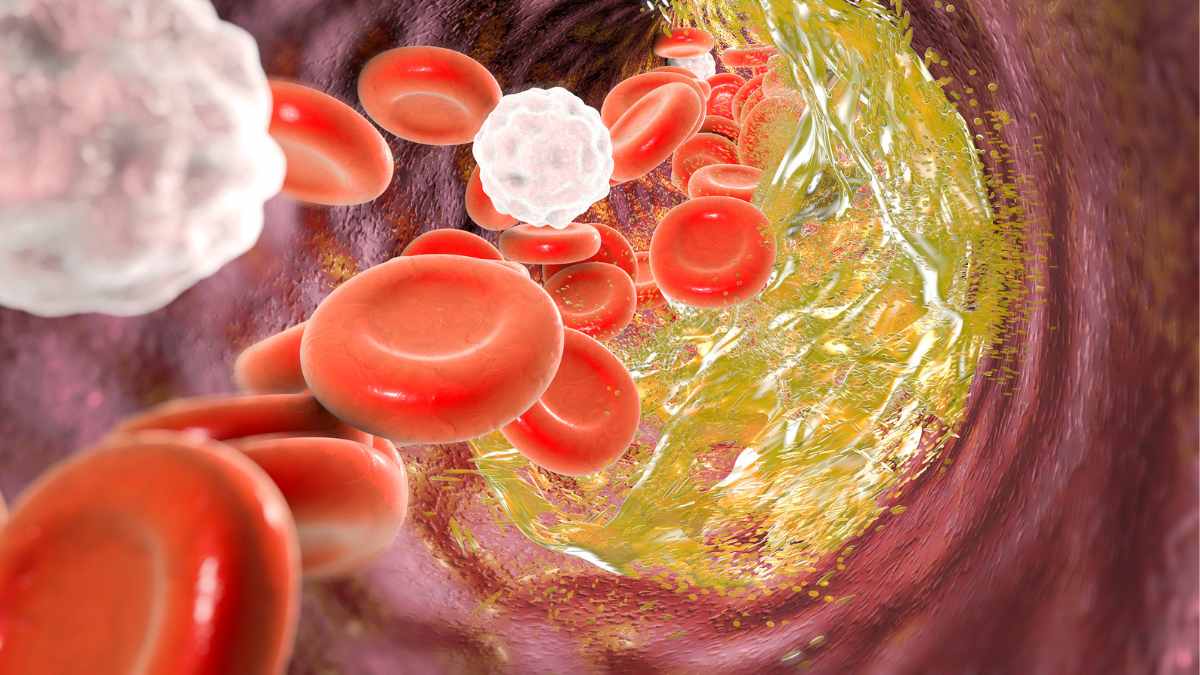
Cholesterol is a waxy substance found in your blood, essential for building cells but harmful in excess. It is carried through the bloodstream by lipoproteins, with low-density lipoprotein (LDL) often referred to as "bad" cholesterol due to its association with plaque buildup in arteries. Conversely, high-density lipoprotein (HDL) is known as "good" cholesterol as it helps remove LDL from the bloodstream. Dietary choices play a significant role in influencing these cholesterol levels.
Certain foods and beverages can lead to elevated LDL levels, contributing to heart disease. For individuals with high cholesterol, understanding how different drinks affect these levels is essential. Beverages high in sugar, unhealthy fats, and alcohol can all contribute to increased cholesterol levels. Therefore, making informed choices is vital for maintaining a healthy lipid profile.
Moreover, the impact of beverages on cholesterol is often overlooked. Many people focus solely on solid foods while neglecting the caloric and nutritional content of what they drink. This oversight can lead to unintended consequences, particularly for those already struggling with high cholesterol. Thus, awareness of the types of drinks consumed is crucial in managing overall health.
In summary, dietary choices, particularly regarding beverages, can significantly impact cholesterol levels. Understanding the relationship between what we drink and our cholesterol is essential for making healthier decisions and improving heart health.
The Impact of Sugary Beverages on Cholesterol Levels
Sugary beverages, including sodas, fruit juices, and energy drinks, are notorious for their high sugar content. These drinks can lead to weight gain, increased triglycerides, and higher LDL cholesterol levels. Research indicates that excessive sugar consumption can lead to insulin resistance and inflammation, both of which are risk factors for cardiovascular disease.
When consumed in large quantities, sugary drinks can contribute to the development of metabolic syndrome, a cluster of conditions that increase the risk of heart disease. This syndrome is often characterized by high blood pressure, elevated blood sugar levels, and abnormal cholesterol levels. Therefore, cutting back on sugary beverages is a prudent step for those looking to manage their cholesterol.
Furthermore, the empty calories found in sugary drinks do not provide any nutritional benefits, leading to poor dietary choices overall. Individuals may find themselves consuming fewer nutrient-dense foods, which can further exacerbate cholesterol issues. Instead of reaching for these sugary options, individuals should consider healthier alternatives that provide essential nutrients without the added sugars.
In conclusion, avoiding sugary beverages is crucial for managing cholesterol levels. By eliminating these drinks from your diet, you can make significant strides toward improving your overall health and reducing your risk of heart disease.
Alcohol Consumption: Risks for High Cholesterol Patients
Alcohol consumption poses specific risks for individuals with high cholesterol. While moderate alcohol intake may have some benefits for heart health, excessive drinking can lead to a range of health issues, including elevated cholesterol levels. Alcohol can increase triglyceride levels, which are closely linked to heart disease.
Moreover, alcohol can contribute to weight gain, another significant risk factor for high cholesterol. Many alcoholic beverages are high in calories, and excessive consumption can lead to obesity, which negatively impacts cholesterol levels. Therefore, moderation is key for those who choose to drink alcohol.
Additionally, alcohol can interfere with medications prescribed to manage cholesterol levels. For individuals on statins or other cholesterol-lowering medications, alcohol can increase the risk of liver damage and other side effects. It’s essential for patients to consult with their healthcare providers about safe alcohol consumption levels.
In summary, while moderate alcohol consumption may have some heart health benefits, individuals with high cholesterol should be cautious. Excessive drinking can lead to increased triglycerides, weight gain, and potential interactions with medications. Therefore, it’s advisable to limit or avoid alcohol entirely.
Caffeinated Drinks: Assessing Their Cholesterol Effects
Caffeinated drinks, such as coffee and energy drinks, have been the subject of much debate regarding their impact on cholesterol levels. Some studies suggest that coffee, particularly unfiltered varieties, may raise LDL cholesterol levels due to the presence of certain compounds like cafestol and kahweol. These compounds can interfere with the liver’s ability to metabolize cholesterol.
On the other hand, moderate coffee consumption has been associated with various health benefits, including reduced risk of heart disease. However, the method of preparation plays a crucial role in determining its effect on cholesterol. Filtered coffee, for instance, has significantly lower levels of these cholesterol-raising compounds compared to unfiltered coffee.
Energy drinks, often loaded with sugar and caffeine, can also pose risks for individuals with high cholesterol. The combination of high sugar content and caffeine can lead to increased heart rate and blood pressure, further straining cardiovascular health. For those managing cholesterol levels, it may be wise to limit or avoid these types of drinks.
In conclusion, while caffeine may have some health benefits, the type of caffeinated drink consumed matters. Individuals with high cholesterol should be cautious with unfiltered coffee and energy drinks, opting instead for filtered coffee or herbal teas. This approach can help mitigate potential risks associated with caffeine consumption.
The Dangers of Trans Fats in Common Beverages
Trans fats are artificial fats created through hydrogenation, a process that solidifies liquid oils. These fats are often found in processed foods and some beverages, including certain coffee creamers and flavored drinks. Trans fats are notorious for raising LDL cholesterol levels while lowering HDL cholesterol, making them particularly harmful for individuals with high cholesterol.
Many beverages, especially those that are pre-packaged or commercially prepared, may contain hidden trans fats. These fats can contribute to inflammation and increase the risk of heart disease. Individuals should carefully read labels and avoid products that list "partially hydrogenated oils" in their ingredients.
Moreover, the consumption of trans fats is linked to various health issues beyond cholesterol, including increased risk of type 2 diabetes and obesity. For those managing high cholesterol, avoiding trans fats is a critical component of a heart-healthy diet.
In summary, trans fats pose a significant risk for individuals with high cholesterol. Avoiding beverages that contain trans fats is essential for maintaining a healthy lipid profile and reducing the risk of cardiovascular disease.
Healthier Alternatives: What to Drink Instead
For individuals with high cholesterol, making healthier beverage choices can significantly impact overall health. Water should be the primary choice, as it hydrates the body without adding calories or sugars. Infusing water with fruits or herbs can add flavor without compromising health.
Herbal teas are another excellent alternative. They are naturally free of calories and sugars, and many varieties offer additional health benefits. For instance, green tea has been linked to improved cholesterol levels and overall heart health.
For those who enjoy coffee, opting for filtered varieties can reduce the intake of harmful compounds associated with unfiltered coffee. Additionally, using plant-based milk alternatives can provide a creamy texture without the saturated fats found in dairy.
In conclusion, there are numerous healthier beverage options available for individuals with high cholesterol. By choosing water, herbal teas, and filtered coffee, you can support your health while enjoying delicious drinks.
Conclusions:
Managing high cholesterol involves making informed dietary choices, including what you drink. By avoiding sugary beverages, excessive alcohol, and drinks high in trans fats, individuals can significantly improve their cholesterol levels. Opting for healthier alternatives like water, herbal teas, and filtered coffee can support heart health and overall well-being.
Read more:
- American Heart Association – Cholesterol – Comprehensive information on cholesterol, its types, and how to manage levels through diet and lifestyle changes.
- Mayo Clinic – Cholesterol: Top Foods to Improve Your Numbers – Insights on dietary choices that can positively affect cholesterol levels.
- Harvard Health – The Truth About Trans Fats – Detailed explanation of trans fats, their health risks, and how to avoid them.
- Cleveland Clinic – Alcohol and Heart Health – Information on the effects of alcohol on heart health and cholesterol levels.
- National Institutes of Health – Caffeine and Cholesterol – Research findings on the relationship between caffeine consumption and cholesterol levels.