
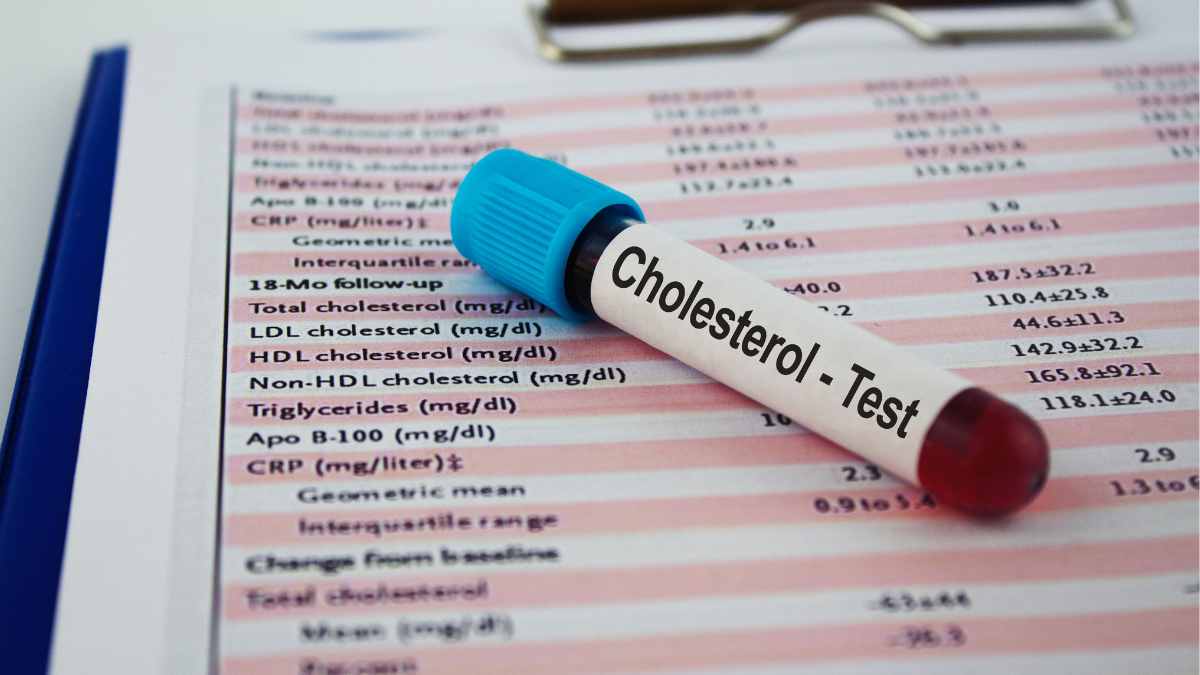

Introduction:
Cholesterol is a waxy substance found in the cells of the body and is essential for producing hormones, vitamin D, and substances that help digest foods. However, not all cholesterol is created equal. Understanding the types of cholesterol and their health implications is crucial for making informed dietary choices, particularly when it comes to meat consumption. This article explores the relationship between different types of meat and cholesterol levels, providing insights into which meats are the best options for those looking to lower their cholesterol intake.
Understanding Cholesterol: Types and Health Implications
Cholesterol is categorized into two main types: low-density lipoprotein (LDL) and high-density lipoprotein (HDL). LDL is often referred to as "bad" cholesterol because high levels can lead to plaque buildup in arteries, increasing the risk of heart disease and stroke. In contrast, HDL is known as "good" cholesterol as it helps remove LDL from the bloodstream. Maintaining a healthy balance between these two types is essential for cardiovascular health.
Dietary cholesterol, which comes from animal products, has been a subject of debate in recent years. While some studies suggest that dietary cholesterol has a minimal impact on blood cholesterol levels for most people, others indicate that it can significantly affect those with certain health conditions, such as diabetes. Understanding individual responses to dietary cholesterol is vital, as it can vary widely among individuals.
Moreover, the American Heart Association recommends limiting saturated fat intake, as it can raise LDL cholesterol levels. This recommendation underscores the importance of not only focusing on cholesterol content but also considering the overall fat profile of the meat consumed. Choosing leaner cuts and cooking methods can mitigate some of the risks associated with high cholesterol consumption.
In summary, understanding the types of cholesterol and their health implications is crucial for making informed dietary choices. Monitoring cholesterol levels and making adjustments in diet, particularly in meat consumption, can significantly impact overall health.
Comparative Analysis of Cholesterol Levels in Meats
When comparing different types of meat, it’s essential to consider their cholesterol content. Generally, red meats such as beef, lamb, and pork tend to have higher cholesterol levels than white meats like chicken and turkey. For instance, a 3.5-ounce serving of cooked beef can contain around 80-90 mg of cholesterol, whereas the same serving size of chicken breast may contain approximately 70 mg.
Processed meats, such as sausages and bacon, often contain even higher levels of cholesterol and saturated fats, making them less desirable options for those monitoring their cholesterol intake. For example, a single slice of bacon can contain about 30 mg of cholesterol, which can add up quickly when consumed in larger quantities.
Fish is another category worth examining. Many fish varieties are low in cholesterol and high in beneficial omega-3 fatty acids, which can help improve heart health. For instance, salmon and mackerel are not only low in cholesterol but also rich in omega-3s, which can help lower triglycerides and improve overall cardiovascular health.
In conclusion, a comparative analysis reveals that not all meats are equal in terms of cholesterol content. Understanding these differences can help individuals make better dietary choices to manage their cholesterol levels effectively.
Lean Meats: The Best Options for Low Cholesterol
When it comes to selecting meats that are lower in cholesterol, lean cuts are the best options. Lean meats are defined as those that contain less than 10 grams of total fat and less than 4.5 grams of saturated fat per serving. Examples of lean cuts include skinless chicken breasts, turkey, and certain cuts of pork and beef, such as tenderloin and sirloin.
In addition to being lower in cholesterol, lean meats are also a great source of protein, which is essential for muscle repair and overall health. Incorporating lean meats into a balanced diet can provide necessary nutrients without significantly increasing cholesterol levels. Cooking methods also play a crucial role; grilling, baking, or steaming are healthier options compared to frying.
It’s also worth noting that plant-based proteins, such as legumes, beans, and tofu, can serve as excellent alternatives to meat. These options are typically low in cholesterol and high in fiber, which can help manage cholesterol levels and improve heart health.
In summary, choosing lean meats and incorporating plant-based proteins can significantly reduce cholesterol intake while still providing essential nutrients. Making informed choices about meat selection is vital for maintaining optimal health.
Poultry vs. Red Meat: A Cholesterol Perspective
Poultry, particularly chicken and turkey, is often considered a healthier alternative to red meat when it comes to cholesterol levels. Skinless poultry is significantly lower in cholesterol compared to red meat options. For example, a 3.5-ounce serving of roasted skinless chicken breast contains around 70 mg of cholesterol, while the same serving of beef can contain upwards of 80-90 mg.
Moreover, the fat content in poultry is generally lower than that in red meats. Red meats are often marbled with fat, which contributes to their higher cholesterol levels. Conversely, poultry tends to have a leaner composition, especially when the skin is removed. This makes poultry an excellent choice for those looking to reduce their cholesterol intake without sacrificing protein.
However, it’s essential to consider the cooking methods used for poultry. Frying or cooking with heavy sauces can negate the health benefits associated with lean poultry. Opting for grilling, baking, or steaming can help maintain its low cholesterol profile.
In conclusion, from a cholesterol perspective, poultry is often a better choice than red meat. Incorporating lean poultry into the diet can help manage cholesterol levels while still providing high-quality protein.
Fish Varieties: Omega-3s and Their Cholesterol Impact
Fish is often touted as one of the healthiest protein sources, particularly due to its low cholesterol content and high levels of omega-3 fatty acids. Omega-3s are known for their heart-healthy benefits, including reducing inflammation and lowering triglyceride levels. Fatty fish such as salmon, mackerel, and sardines are not only low in cholesterol but also provide a significant amount of omega-3s.
A 3.5-ounce serving of salmon contains about 60-70 mg of cholesterol, which is lower than many red meats. Additionally, the omega-3 fatty acids found in fish can help raise HDL cholesterol levels, contributing to a healthier cholesterol balance. This dual benefit makes fish an excellent choice for those concerned about cholesterol.
Moreover, the American Heart Association recommends consuming fish at least twice a week as part of a heart-healthy diet. Incorporating a variety of fish can provide different nutrients and health benefits, making it a versatile option for meal planning.
In summary, fish varieties, particularly fatty fish, offer a low-cholesterol option rich in omega-3 fatty acids. Including fish in the diet can provide numerous health benefits while helping to manage cholesterol levels effectively.
Practical Tips for Choosing Low-Cholesterol Meats
When selecting meats for a low-cholesterol diet, there are several practical tips to consider. First, always opt for lean cuts of meat. Look for labels that indicate "loin" or "round" cuts, which are typically leaner. Additionally, choosing skinless poultry can significantly reduce cholesterol intake.
Second, consider cooking methods. Grilling, baking, steaming, and broiling are healthier options compared to frying, which can add unnecessary fats and calories. Using herbs and spices for flavoring instead of heavy sauces can also help maintain a low-cholesterol profile.
Third, pay attention to portion sizes. Eating smaller portions of meat can help control cholesterol intake while still allowing for a balanced diet. Pairing meat with plenty of vegetables can create a nutritious meal without overloading on cholesterol.
Finally, don’t hesitate to explore plant-based protein options. Incorporating legumes, beans, and tofu can provide variety while keeping cholesterol levels in check. These alternatives are often lower in cholesterol and high in fiber, contributing to overall heart health.
In conclusion, making informed choices about meat selection and preparation can significantly impact cholesterol levels. By following these practical tips, individuals can enjoy a balanced diet while managing their cholesterol effectively.
Conclusions:
Understanding the relationship between meat consumption and cholesterol levels is crucial for maintaining heart health. By choosing lean meats, incorporating poultry and fish, and utilizing healthy cooking methods, individuals can effectively manage their cholesterol intake. As dietary choices play a significant role in overall health, being informed and proactive is essential for long-term well-being.
Read more
- American Heart Association: Understanding Cholesterol – This resource provides a comprehensive overview of cholesterol types and their health implications.
- Harvard Health Publishing: The Truth About Cholesterol – An insightful article discussing dietary cholesterol and its impact on heart health.
- Mayo Clinic: Cholesterol and Diet – This resource offers practical tips for managing cholesterol through dietary choices.
- National Institutes of Health: Dietary Fats and Cardiovascular Disease – A detailed examination of how different types of fats, including those in meat, affect cholesterol levels.
- Cleveland Clinic: The Benefits of Eating Fish – An article highlighting the health benefits of fish, particularly regarding cholesterol and omega-3 fatty acids.