

Introduction:
Irritable Bowel Syndrome (IBS) is a common gastrointestinal disorder characterized by symptoms such as abdominal pain, bloating, gas, and altered bowel habits. Managing IBS often involves dietary modifications, leading many to wonder about the safety of specific foods, including baked potatoes. This article explores the relationship between baked potatoes and IBS, examining their nutritional composition, potential benefits, and safety as part of an IBS-friendly diet.
Understanding Irritable Bowel Syndrome (IBS) and Diet
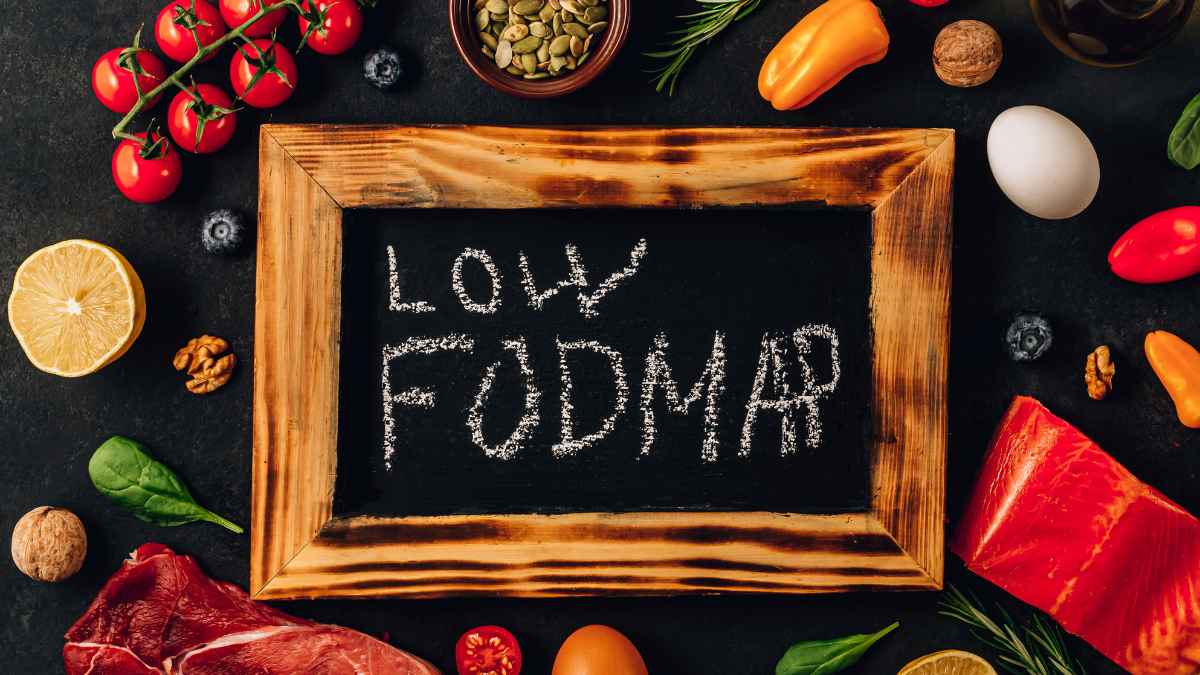
IBS is a complex condition that affects the large intestine and can manifest differently in each individual. Symptoms can be triggered by various factors, including stress, hormonal changes, and dietary choices. Therefore, a personalized approach to diet is essential for managing symptoms effectively. Many IBS patients find relief by adhering to a low-FODMAP diet, which restricts certain fermentable carbohydrates that can exacerbate symptoms.
Dietary management of IBS often requires the elimination of trigger foods, which can vary widely among individuals. Common triggers include dairy products, gluten, and certain fruits and vegetables. Understanding one’s unique triggers is crucial for symptom management. For some, starchy foods like potatoes may be well-tolerated, while others may experience discomfort.
The role of fiber in the diet is also significant. While soluble fiber can help regulate bowel movements, insoluble fiber may worsen symptoms for some IBS patients. Therefore, it is essential to consider the type and amount of fiber in foods consumed. This understanding sets the stage for evaluating baked potatoes within the context of an IBS-friendly diet.
Ultimately, the key to managing IBS through diet lies in monitoring symptoms and making informed choices. This includes keeping a food diary to track which foods trigger symptoms and which ones provide relief. With this knowledge, individuals can make better dietary decisions, including whether baked potatoes fit into their meal plans.
Nutritional Composition of Baked Potatoes Explained
Baked potatoes are primarily composed of carbohydrates, particularly starch, which serves as a significant energy source. A medium-sized baked potato contains approximately 160 calories, 37 grams of carbohydrates, and 4 grams of protein. Importantly, baked potatoes are low in fat, making them a suitable option for those looking to manage their weight or reduce fat intake.
In addition to carbohydrates, baked potatoes are a good source of essential vitamins and minerals. They are rich in vitamin C, potassium, and vitamin B6. Potassium is particularly important for maintaining electrolyte balance, while vitamin C supports immune function. These nutrients contribute to the overall health benefits of incorporating baked potatoes into a balanced diet.
The fiber content of baked potatoes also plays a crucial role in digestive health. A medium-sized potato with skin contains about 3-4 grams of dietary fiber. This soluble fiber can help regulate bowel movements and promote a feeling of fullness, which may be beneficial for those managing IBS. However, the type of fiber in potatoes is primarily soluble, which is generally better tolerated by IBS patients.
It is essential to note that the way potatoes are prepared can significantly affect their nutritional profile. For instance, adding butter, sour cream, or cheese can increase fat content and potentially trigger symptoms in sensitive individuals. Therefore, understanding the nutritional composition of baked potatoes helps inform dietary choices for those with IBS.
Potential Benefits of Baked Potatoes for IBS Patients
Baked potatoes can offer several benefits for individuals with IBS. First and foremost, their low-FODMAP content makes them a suitable choice for those following this dietary approach. As a low-FODMAP food, baked potatoes are less likely to cause bloating or discomfort compared to high-FODMAP options.
Additionally, the soluble fiber in baked potatoes can aid in digestion and help regulate bowel movements. For IBS patients experiencing constipation, incorporating baked potatoes into their diet may provide the necessary fiber to promote regularity. This can lead to improved overall digestive health and a reduction in IBS symptoms.
Another advantage of baked potatoes is their versatility. They can be easily paired with various IBS-friendly toppings, such as olive oil, herbs, or low-FODMAP vegetables. This adaptability allows individuals to enjoy baked potatoes while customizing their meals to suit their dietary needs.
Moreover, baked potatoes are a comfort food for many, providing a sense of satisfaction and fullness. This psychological aspect of eating can be beneficial for IBS patients, as stress and emotional factors often play a role in symptom exacerbation. Comfort foods that are also nutritious can help create a positive eating experience.
Identifying Trigger Foods: Are Baked Potatoes Safe?
While baked potatoes are generally considered safe for most IBS patients, individual tolerance can vary. It is essential for those with IBS to identify their specific trigger foods through careful observation and dietary tracking. Some individuals may find that certain types of potatoes or preparation methods can lead to discomfort.
The skin of the potato contains additional fiber, which can be beneficial, but it may also be a source of irritation for some. Therefore, individuals should consider trying baked potatoes without the skin if they experience symptoms after consuming them. This trial-and-error approach can help determine personal tolerance levels.
Additionally, portion size plays a crucial role in managing IBS symptoms. Eating large quantities of any food, even those generally considered safe, can lead to discomfort. A moderate serving size of baked potato is advisable, allowing individuals to enjoy the food without overwhelming their digestive system.
Finally, it is essential to consider the overall dietary context. Baked potatoes should be consumed as part of a balanced diet that includes a variety of other low-FODMAP foods. This ensures that individuals receive adequate nutrition while minimizing the risk of triggering IBS symptoms.
Recommended Serving Sizes and Preparation Methods
When incorporating baked potatoes into an IBS-friendly diet, portion control is critical. A typical serving size of a baked potato is about 150-200 grams, which provides a good balance of carbohydrates and fiber without overwhelming the digestive system. It is advisable to start with smaller portions and gradually increase as tolerated.
Preparation methods can also influence how well baked potatoes are tolerated. Baking is generally the healthiest option, as it retains most of the nutrients without adding excessive fat. Avoid frying or adding high-fat toppings, as these can exacerbate IBS symptoms. Instead, consider using olive oil, herbs, or low-FODMAP sauces to enhance flavor without compromising digestive comfort.
Additionally, it is beneficial to pair baked potatoes with other low-FODMAP foods for a balanced meal. For instance, combining baked potatoes with grilled chicken, steamed vegetables, or a light salad can create a nutritious and satisfying dish. This combination can help ensure a well-rounded intake of nutrients while minimizing the risk of triggering IBS symptoms.
Lastly, keeping a food diary can be invaluable in determining the best serving sizes and preparation methods for individual needs. Tracking symptoms alongside food intake can help identify patterns and inform future dietary choices, leading to improved management of IBS.
Conclusions:
In conclusion, baked potatoes can be a safe and nutritious option for many individuals with IBS. Their low-FODMAP content, nutritional benefits, and versatility make them a suitable choice for those managing this condition. However, individual tolerance may vary, and it is essential to monitor symptoms and adjust portion sizes and preparation methods accordingly. By understanding the role of baked potatoes in an IBS-friendly diet, individuals can enjoy this comforting food while maintaining digestive health.
Read more
- International Foundation for Gastrointestinal Disorders (IFFGD) – A comprehensive resource for understanding IBS, including dietary recommendations and management strategies.
- Monash University FODMAP Diet – The leading authority on the low-FODMAP diet, providing detailed information on FODMAPs, including lists of safe foods.
- American College of Gastroenterology (ACG) – Offers guidelines and resources for managing gastrointestinal disorders, including IBS.
- Cleveland Clinic: IBS Diet – Provides insights into dietary management of IBS, including safe food choices and meal planning.
- Harvard Health Publishing – Features articles and research on digestive health, including IBS and dietary approaches for symptom relief.