

Se hai un abbonamento attivo ACCEDI QUI
Introduction:
The Low FODMAP diet has gained significant attention as a dietary approach for managing symptoms associated with irritable bowel syndrome (IBS) and other gastrointestinal disorders. FODMAP, which stands for fermentable oligosaccharides, disaccharides, monosaccharides, and polyols, refers to a group of short-chain carbohydrates that can be poorly absorbed in the small intestine. This article will explore the compatibility of salads within the framework of a Low FODMAP diet, highlighting safe ingredients, potential pitfalls, and strategies for creating satisfying meals that align with dietary restrictions.
Understanding the Low FODMAP Diet and Its Principles
The Low FODMAP diet is divided into three phases: elimination, reintroduction, and personalization. During the elimination phase, high FODMAP foods are removed from the diet for a period of 4-6 weeks. This helps to identify potential triggers for gastrointestinal symptoms. The subsequent reintroduction phase involves gradually reintroducing high FODMAP foods to determine individual tolerance levels. Finally, the personalization phase allows individuals to create a sustainable diet that minimizes symptoms while incorporating a variety of foods.
The underlying principle of the Low FODMAP diet is to reduce the intake of certain carbohydrates that can lead to fermentation in the gut, resulting in gas, bloating, and discomfort. Foods high in FODMAPs can vary widely, and understanding which foods fall into this category is crucial for successful management of symptoms. This diet emphasizes the importance of individual tolerance, as not all high FODMAP foods affect everyone in the same way.
Salads, often perceived as healthy and light meals, can be a source of confusion for those following a Low FODMAP diet. While many vegetables are nutritious and beneficial, some contain high levels of FODMAPs that can trigger symptoms in sensitive individuals. Therefore, it is essential to be aware of both the ingredients in salads and their FODMAP content to make informed choices.
Ultimately, the goal of the Low FODMAP diet is to empower individuals to take control of their dietary choices while minimizing discomfort. By understanding the principles of this diet, individuals can navigate their food options more effectively, including the incorporation of salads into their meals.
Common FODMAPs Found in Vegetables and Salads
Certain vegetables commonly used in salads are high in FODMAPs and can lead to gastrointestinal distress. For instance, onions and garlic are notorious for their high fructan content, making them common culprits in many salad dressings and toppings. Other high FODMAP vegetables include cauliflower, asparagus, and artichokes, which can also contribute to discomfort for those with sensitivities.
In contrast, some vegetables are considered low FODMAP and can be safely included in salads. Leafy greens such as spinach, arugula, and lettuce are excellent choices, as they are not only low in FODMAPs but also rich in essential nutrients. Additionally, carrots, cucumbers, and bell peppers are low FODMAP options that can add flavor and texture to salads without triggering symptoms.
It is also important to note that the serving size can affect the FODMAP content of certain foods. For example, while tomatoes are generally low in FODMAPs, larger quantities may push them into a higher FODMAP category. Understanding these nuances can help individuals make better choices when preparing salads.
Being aware of the FODMAP content in various vegetables can significantly enhance the salad experience for those on a restrictive diet. By selecting low FODMAP vegetables, individuals can enjoy a variety of flavors and textures while minimizing the risk of gastrointestinal discomfort.
Safe Salad Ingredients for a Low FODMAP Diet
When constructing a salad suitable for a Low FODMAP diet, it is essential to focus on safe ingredients. Leafy greens like spinach, kale, and romaine lettuce provide a nutritious base without the risk of triggering symptoms. These greens are versatile and can be paired with a variety of toppings to create a satisfying meal.
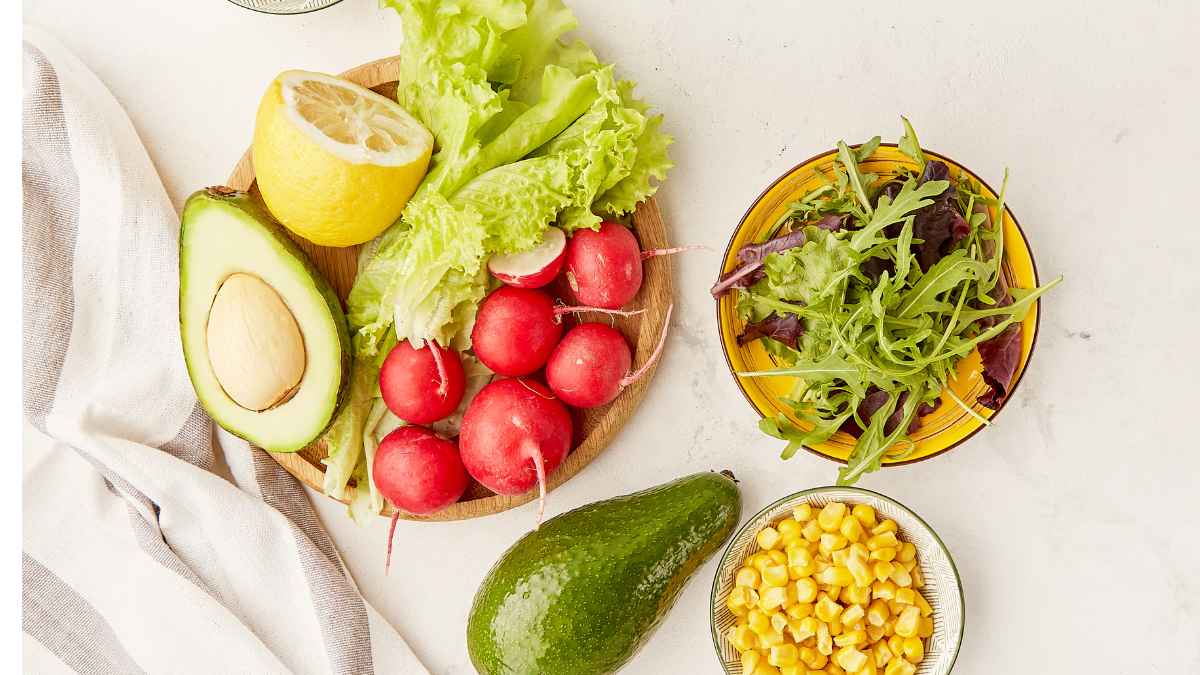
In addition to leafy greens, low FODMAP vegetables such as carrots, radishes, and zucchini can be added for crunch and flavor. These vegetables not only enhance the salad’s texture but also contribute essential vitamins and minerals. Cucumbers are another excellent addition, as they are refreshing and hydrating, making them perfect for salads.
For protein, individuals can incorporate grilled chicken, shrimp, or firm tofu. These options are generally low in FODMAPs and can help create a more balanced meal. Additionally, hard-boiled eggs are a great source of protein and can add richness to salads without introducing high FODMAP ingredients.
Finally, low FODMAP fruits such as strawberries, blueberries, and oranges can be included in salads for a touch of sweetness. These fruits not only provide flavor but also add a variety of antioxidants and vitamins, making the salad more nutritious overall.
Potential High FODMAP Additives in Salad Dressings
While salads can be a healthy choice, the dressings used can often contain high FODMAP ingredients that may lead to discomfort. Many commercial dressings contain onion or garlic powder, both of which are high in FODMAPs. Therefore, it is crucial to read labels carefully or consider making homemade dressings to control the ingredients.
Another common ingredient in salad dressings is honey, which is high in fructose and can cause issues for those sensitive to FODMAPs. Instead, individuals can use alternatives like maple syrup or rice vinegar to add sweetness without the high FODMAP content.
Creamy dressings, such as ranch or blue cheese, often contain dairy, which can be problematic for those who are lactose intolerant. For a Low FODMAP option, individuals can opt for dressings made with lactose-free yogurt or mayonnaise. These alternatives can provide creaminess without the discomfort associated with lactose.
Lastly, it’s essential to be cautious with store-bought vinaigrettes, as they may contain high FODMAP ingredients like soy sauce or certain emulsifiers. Creating a simple vinaigrette with olive oil, vinegar, and herbs can be a delicious and safe alternative that enhances the salad without introducing unwanted FODMAPs.
Strategies for Creating Low FODMAP Salads
Creating a satisfying Low FODMAP salad requires a thoughtful approach to ingredient selection. Start by choosing a base of low FODMAP leafy greens, which can serve as a nutritious foundation. From there, consider adding a variety of low FODMAP vegetables to introduce different flavors and textures. Mixing colors and shapes can make the salad visually appealing and enjoyable to eat.
Incorporating a source of protein is also essential for creating a balanced meal. Options such as grilled chicken, canned tuna, or chickpeas (in moderation) can enhance the salad’s nutritional profile. When using legumes, it’s important to keep portion sizes in check, as larger amounts can push them into a higher FODMAP category.
Adding healthy fats can elevate the flavor and texture of the salad. Avocado is a popular choice, but it should be consumed in moderation due to its higher FODMAP content at larger servings. Instead, consider using nuts or seeds like walnuts, pumpkin seeds, or sunflower seeds, which can provide crunch and healthy fats without exceeding FODMAP limits.
Lastly, don’t forget the importance of seasoning. Fresh herbs like basil, parsley, or cilantro can enhance the flavor of salads without adding FODMAPs. Experimenting with different combinations of ingredients can lead to a variety of delicious salads that fit within the Low FODMAP guidelines.
Monitoring Symptoms: Adjusting Your Salad Choices
As individuals navigate the Low FODMAP diet, it is crucial to monitor symptoms and adjust food choices accordingly. Keeping a food diary can be an effective way to track which ingredients may trigger discomfort. By noting the types of salads consumed and any subsequent symptoms, individuals can identify patterns and make informed decisions about their food choices.
It is also important to remember that individual tolerance to FODMAPs can vary significantly. Foods that may cause issues for one person might be perfectly fine for another. Therefore, it is essential to approach the Low FODMAP diet with a sense of flexibility and personal experimentation.
When introducing new ingredients into salads, consider doing so one at a time. This method allows for better identification of potential triggers and helps individuals understand their unique tolerances. If a new ingredient leads to discomfort, it may be best to eliminate it and try again later during the reintroduction phase.
Ultimately, the goal is to create a sustainable and enjoyable eating experience. By being mindful of ingredient choices and monitoring symptoms, individuals can successfully incorporate salads into their diet while minimizing the risk of gastrointestinal distress.
Conclusions:
Incorporating salads into a Low FODMAP diet is entirely possible with careful planning and ingredient selection. By understanding which vegetables and dressings are safe and which to avoid, individuals can create satisfying meals that align with their dietary needs. Monitoring symptoms and adjusting choices based on personal tolerance is key to successfully navigating this dietary approach. With the right strategies, salads can remain a delicious and nutritious part of a Low FODMAP lifestyle.
Read more
- Monash University FODMAP Diet – A comprehensive resource on the Low FODMAP diet, including food lists and recipes.
- FODMAP Friendly – An organization that provides information on FODMAPs and offers a certification program for low FODMAP products.
- The IBS Network – A UK-based charity providing support and information for individuals with IBS, including dietary advice.
- The Low FODMAP Diet: A Guide – An informative article outlining the principles of the Low FODMAP diet and tips for implementation.
- American Gastroenterological Association – A professional organization that offers resources and guidelines related to gastrointestinal health and dietary management.