

Introduction:
The low FODMAP diet has gained significant attention in recent years, particularly among individuals suffering from irritable bowel syndrome (IBS) and other gastrointestinal disorders. This dietary approach aims to alleviate symptoms by reducing the intake of fermentable oligosaccharides, disaccharides, monosaccharides, and polyols. While many people experience relief from digestive issues on this diet, concerns regarding its potential impact on weight have emerged. This article explores whether adhering to a low FODMAP diet can lead to weight gain, examining the underlying mechanisms, gut health implications, and clinical evidence.
Understanding the Low FODMAP Diet and Its Purpose
The low FODMAP diet is designed to minimize the intake of specific carbohydrates that are poorly absorbed in the small intestine. These carbohydrates can ferment in the gut, leading to symptoms such as bloating, gas, and abdominal pain. The diet is typically implemented in three phases: elimination, reintroduction, and personalization. During the elimination phase, high FODMAP foods are removed from the diet, while the reintroduction phase involves gradually adding them back to identify individual triggers.
The primary goal of the low FODMAP diet is to improve gut health and reduce IBS symptoms. By eliminating foods that exacerbate gastrointestinal distress, individuals often experience significant relief. However, the diet can be restrictive, which raises questions about its long-term sustainability and potential effects on overall health, including weight management.
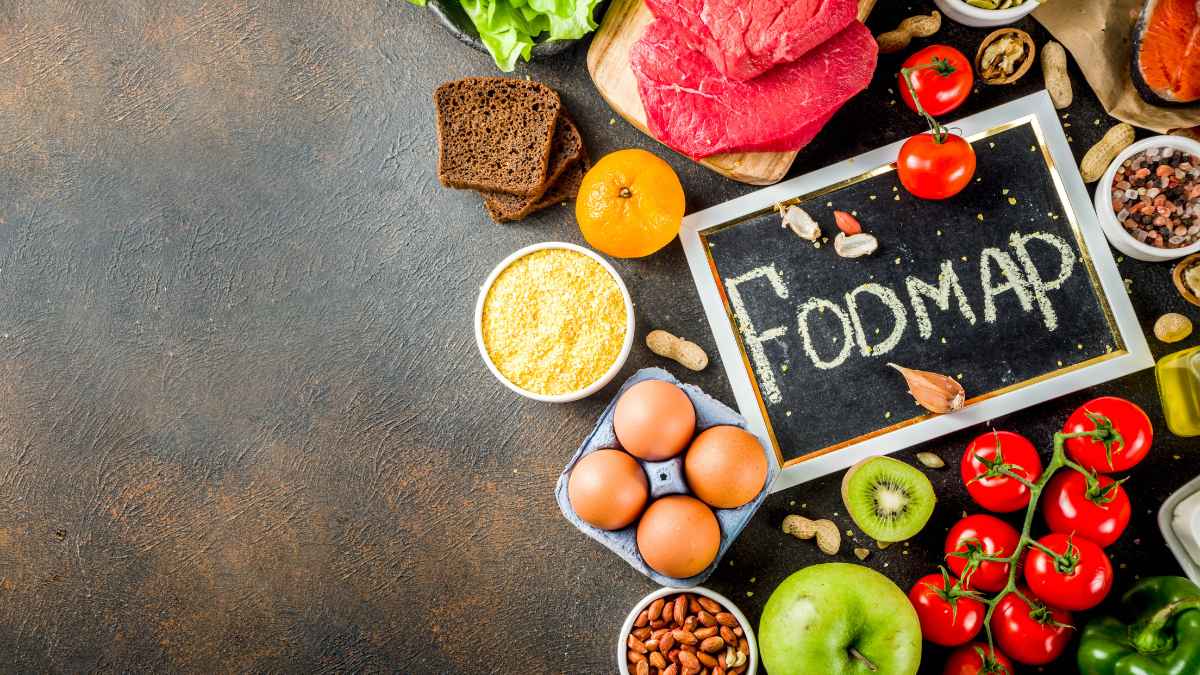
The low FODMAP diet includes a variety of foods, such as certain fruits, vegetables, grains, and dairy products, while excluding others like garlic, onions, and certain legumes. Understanding which foods fall into each category is crucial for those embarking on this dietary journey. Proper education and guidance are essential to ensure nutritional adequacy and prevent unintended consequences, such as weight gain.
Additionally, the low FODMAP diet is not intended for long-term use. It is usually recommended for a limited period, followed by a careful reintroduction of foods to identify personal tolerance levels. This structured approach helps individuals regain a balanced diet while managing their symptoms effectively.
Mechanisms of Weight Gain: Exploring Dietary Impacts
Weight gain can result from various dietary factors, including caloric intake, macronutrient composition, and food choices. When individuals switch to a low FODMAP diet, they may inadvertently alter their eating patterns, leading to changes in caloric consumption. For instance, some may replace high FODMAP foods with low FODMAP alternatives that are higher in calories or fat. This shift can contribute to an increase in overall caloric intake, potentially leading to weight gain.
Moreover, the low FODMAP diet often emphasizes processed low FODMAP foods, which may be calorie-dense and low in essential nutrients. Relying on these products can result in an imbalanced diet, lacking vital vitamins and minerals. This nutritional deficiency can affect metabolism and overall health, further complicating weight management.
Another factor to consider is the psychological aspect of dietary changes. Individuals may feel more liberated to consume larger quantities of low FODMAP foods, believing they are "safer" options. This mindset can lead to overeating, which, coupled with a sedentary lifestyle, may contribute to weight gain. Understanding the psychological triggers behind eating behaviors is crucial for effective weight management.
Lastly, the impact of the low FODMAP diet on gut microbiota should not be overlooked. A diverse gut microbiome is essential for metabolic health, and a restrictive diet may limit the variety of foods consumed, potentially leading to dysbiosis. This imbalance can affect energy extraction from food, influencing weight gain.
The Role of FODMAPs in Gut Health and Metabolism
FODMAPs play a significant role in gut health, influencing the composition and function of the gut microbiota. These fermentable carbohydrates serve as prebiotics, promoting the growth of beneficial bacteria in the gut. A healthy gut microbiome is essential for proper digestion, nutrient absorption, and metabolic regulation. When FODMAPs are reduced, the diversity of gut bacteria may decrease, potentially impacting metabolic processes.
Additionally, the fermentation of FODMAPs produces short-chain fatty acids (SCFAs), which are crucial for gut health and metabolic function. SCFAs have been shown to improve insulin sensitivity, regulate appetite, and reduce inflammation. A low intake of FODMAPs may lead to a decrease in SCFA production, which could negatively influence weight management.
Furthermore, the low FODMAP diet can affect gut motility and transit time. In some individuals, the reduction of FODMAPs may lead to slower digestion, which can influence feelings of satiety and hunger. This altered digestive process may result in changes to eating patterns, potentially leading to weight gain if individuals do not adjust their caloric intake accordingly.
Understanding the intricate relationship between FODMAPs, gut health, and metabolism is essential for individuals on a low FODMAP diet. Maintaining a balance between symptom management and nutritional adequacy is crucial for long-term health and weight management.
Analyzing the Relationship Between FODMAPs and Weight
Research on the relationship between FODMAPs and weight is still emerging, but some studies suggest that the low FODMAP diet may not inherently lead to weight gain. Instead, weight changes may be influenced by individual dietary choices and adherence to the diet. For instance, individuals who strictly adhere to the diet may experience weight loss due to reduced caloric intake from high FODMAP foods that are often calorie-dense.
Conversely, those who substitute high FODMAP foods with low FODMAP options that are higher in calories may experience weight gain. This highlights the importance of making informed food choices while on the diet. It is essential for individuals to focus on whole, nutrient-dense foods rather than relying solely on processed low FODMAP alternatives.
Moreover, individual responses to the low FODMAP diet can vary significantly. Some people may experience weight loss, while others may find it challenging to maintain their weight. Factors such as metabolic rate, physical activity levels, and overall dietary patterns play a crucial role in determining weight outcomes.
In summary, while the low FODMAP diet can influence weight, the relationship is complex and multifaceted. It is essential for individuals to be mindful of their food choices and to seek guidance from healthcare professionals to ensure a balanced approach.
Clinical Evidence: Low FODMAP Diet and Weight Changes
Clinical studies examining the impact of the low FODMAP diet on weight have yielded mixed results. Some research indicates that individuals may experience weight loss during the elimination phase due to reduced caloric intake and improved digestive symptoms. For example, a study found that participants reported a decrease in body weight and waist circumference after following the low FODMAP diet for several weeks.
However, other studies suggest that weight gain can occur during the reintroduction phase if individuals do not carefully monitor their food choices. The gradual reintroduction of high FODMAP foods can lead to increased caloric intake, especially if individuals are not mindful of portion sizes. This highlights the importance of a structured approach to reintroducing foods to avoid unintended weight gain.
Furthermore, some research has pointed out that the low FODMAP diet may not significantly impact weight in the long term. A systematic review indicated that while short-term weight changes may occur, the long-term effects of the diet on weight are less clear. This suggests that individual factors, such as lifestyle and dietary habits, play a more significant role in weight management than the diet itself.
Ultimately, the clinical evidence underscores the need for personalized dietary approaches. Individuals should work with healthcare professionals to tailor their low FODMAP diet to their specific needs, ensuring they maintain a balanced intake of nutrients while managing their symptoms.
Recommendations for Managing Weight on a Low FODMAP Diet
To manage weight effectively while following a low FODMAP diet, individuals should focus on whole, unprocessed foods. Incorporating a variety of low FODMAP fruits, vegetables, lean proteins, and healthy fats can help ensure nutritional adequacy. This approach not only supports gut health but also promotes satiety and helps regulate caloric intake.
Monitoring portion sizes is also crucial. Individuals should be mindful of their servings, particularly when consuming calorie-dense low FODMAP foods. Keeping a food diary can be a helpful tool for tracking intake and identifying patterns that may lead to weight gain.
Engaging in regular physical activity is another essential component of weight management. Incorporating exercise into daily routines can help balance caloric intake and expenditure, supporting overall health. Whether through structured workouts or everyday activities, staying active is vital for maintaining a healthy weight.
Lastly, seeking guidance from a registered dietitian or nutritionist experienced in the low FODMAP diet can provide valuable support. These professionals can help individuals navigate food choices, meal planning, and portion control, ensuring a balanced approach to managing both gut health and weight.
Conclusions:
While the low FODMAP diet can provide significant relief for individuals with gastrointestinal issues, its potential impact on weight is complex. Weight changes may occur depending on individual dietary choices, adherence to the diet, and overall lifestyle factors. By focusing on whole foods, monitoring portion sizes, engaging in regular physical activity, and seeking professional guidance, individuals can effectively manage their weight while benefiting from the low FODMAP approach.
Read more
- Monash University FODMAP Diet – A comprehensive resource on the low FODMAP diet, including food lists and recipes.
- American Journal of Gastroenterology – A peer-reviewed journal featuring research articles on gastrointestinal health and dietary interventions.
- Gut Microbiota for Health – An organization focused on the role of gut microbiota in health, providing insights into dietary impacts.
- Nutritional Guidelines for the Low FODMAP Diet – A resource from the Academy of Nutrition and Dietetics offering guidelines for managing a low FODMAP diet.
- Journal of Human Nutrition and Dietetics – A journal that publishes research on nutrition and dietetics, including studies on the low FODMAP diet and its effects.