

Se hai un abbonamento attivo ACCEDI QUI
Introduction:
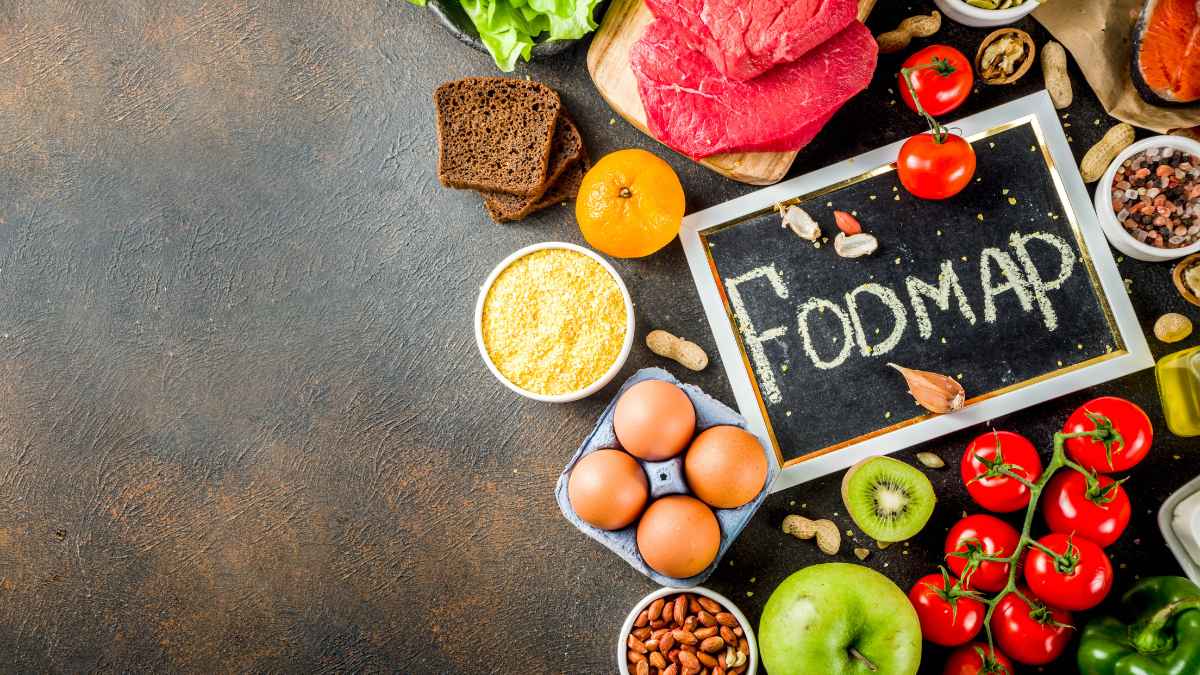
The FODMAP diet, designed to alleviate symptoms of irritable bowel syndrome (IBS) and other digestive disorders, focuses on reducing specific types of carbohydrates that can be poorly absorbed in the small intestine. Avocado, a popular and nutrient-dense fruit, often raises questions regarding its compatibility with this dietary approach. In this article, we will explore the relationship between avocado and the FODMAP diet, examining its nutritional profile, the presence of FODMAPs, appropriate serving sizes, and alternatives for those following a low-FODMAP regimen.
Understanding the FODMAP Diet: A Brief Overview
The FODMAP diet categorizes carbohydrates into groups based on their fermentation potential and osmotic effects. FODMAP stands for Fermentable Oligosaccharides, Disaccharides, Monosaccharides, and Polyols. These compounds can lead to gastrointestinal discomfort in sensitive individuals. The diet typically involves a three-phase approach: elimination, reintroduction, and personalization. During the elimination phase, high-FODMAP foods are removed from the diet to assess symptom improvement.
The primary goal of the FODMAP diet is to identify specific triggers for digestive distress. Foods high in FODMAPs include certain fruits, vegetables, grains, and dairy products. This diet is not intended for long-term adherence but rather as a diagnostic tool to pinpoint problematic foods. Once symptom relief is achieved, foods can be systematically reintroduced to determine individual tolerance levels.
Understanding the FODMAP diet is crucial for those who suffer from IBS or similar conditions. It empowers individuals to take control of their dietary choices while minimizing discomfort. However, it is essential to approach this diet with caution and ideally under the guidance of a healthcare professional or a registered dietitian to ensure nutritional adequacy.
As individuals embark on the FODMAP diet, they often seek to understand the compatibility of various foods, including avocado. Given its popularity and nutritional benefits, it is vital to analyze whether this fruit can be included in a low-FODMAP lifestyle.
The Nutritional Profile of Avocado: Key Components
Avocado is renowned for its rich nutritional profile, making it a staple in many diets. It is an excellent source of healthy monounsaturated fats, particularly oleic acid, which is beneficial for heart health. Additionally, avocados are packed with vitamins and minerals, including vitamins K, E, C, and B vitamins, as well as potassium and magnesium.
One of the standout features of avocado is its high fiber content. Fiber is essential for digestive health, promoting regular bowel movements and supporting gut microbiota. However, the type of fiber present in avocados can vary, with both soluble and insoluble fibers contributing to its overall health benefits. This fiber content can play a role in satiety, making avocados a satisfying addition to meals.
Moreover, avocados contain a variety of antioxidants, including lutein and zeaxanthin, which are beneficial for eye health. Their anti-inflammatory properties further enhance their appeal as a healthful food choice. Given these nutritional benefits, many individuals are keen to incorporate avocados into their diets, raising the question of their compatibility with the FODMAP diet.
Understanding the nutritional components of avocado is essential for making informed dietary choices. While the fruit offers numerous health benefits, it is crucial to consider how these components interact with the FODMAP guidelines.
FODMAPs in Avocado: What the Research Indicates
Research indicates that avocados contain moderate levels of FODMAPs, specifically in the form of polyols, which are sugar alcohols that can cause digestive issues in sensitive individuals. The primary polyol found in avocados is sorbitol. While sorbitol is naturally occurring in many fruits, its concentration in avocados can vary based on ripeness and variety.
A study published in the Journal of Gastroenterology and Hepatology highlights that while small amounts of avocado may be tolerated by some individuals on a low-FODMAP diet, larger servings can lead to symptoms such as bloating and gas. This variability in tolerance underscores the importance of individualized dietary approaches when following the FODMAP diet.
The presence of FODMAPs in avocados does not render them universally unsuitable for all individuals. Some people may find that they can enjoy small portions without adverse effects. As such, understanding one’s personal tolerance level is vital for anyone considering the inclusion of avocado in their diet.
In summary, while avocados do contain FODMAPs, their impact can vary significantly among individuals. Monitoring symptoms and adjusting serving sizes accordingly can help individuals navigate avocado consumption while adhering to a low-FODMAP diet.
Serving Sizes: Avocado Consumption on a Low-FODMAP Diet
When it comes to incorporating avocado into a low-FODMAP diet, serving size is a critical factor. Research suggests that a serving size of approximately 30 grams (about one-fifth of a medium avocado) is generally considered low in FODMAPs and may be tolerated by most individuals. This small portion allows individuals to enjoy the nutritional benefits of avocado without exceeding their FODMAP limits.
As individuals progress through the elimination and reintroduction phases of the FODMAP diet, they may experiment with slightly larger servings to assess their tolerance. Some may find that they can comfortably consume up to 50 grams (about one-third of a medium avocado) without experiencing symptoms. However, exceeding this amount may lead to gastrointestinal discomfort due to the higher concentration of sorbitol.
It is essential to approach avocado consumption mindfully and to keep a food diary to track any symptoms or reactions. This practice can help individuals identify their personal threshold for avocado intake and make informed decisions about portion sizes.
Incorporating avocado into meals can also be done strategically. For example, using avocado as a spread on toast or as a topping in salads allows for controlled serving sizes while still enjoying its creamy texture and flavor. By being mindful of portion sizes, individuals can enjoy avocados as part of a balanced low-FODMAP diet.
Alternatives to Avocado for Low-FODMAP Meal Planning
For those who find that avocados are not suitable for their low-FODMAP diet, there are several alternatives that can provide similar nutritional benefits and culinary versatility. One popular substitute is mashed banana, which offers a creamy texture and is low in FODMAPs when consumed in moderation. Bananas also provide potassium and fiber, making them a nutritious choice.
Another alternative is cooked and cooled sweet potatoes. They can be mashed or blended to create a creamy consistency and are rich in vitamins A and C, as well as fiber. Sweet potatoes can be used in various dishes, from soups to smoothies, providing a satisfying substitute for avocado.
Hummus made from low-FODMAP ingredients, such as chickpeas, tahini, and olive oil, can also serve as a versatile spread or dip. When prepared without garlic or high-FODMAP additives, hummus can add creaminess and flavor to meals while remaining compliant with the low-FODMAP guidelines.
Finally, olive oil is an excellent option for adding healthy fats to dishes without the FODMAP content of avocados. Drizzling olive oil over salads or using it in cooking can enhance flavor and provide nutritional benefits similar to those found in avocados.
By exploring these alternatives, individuals on a low-FODMAP diet can maintain variety in their meals while still achieving their nutritional goals.
Conclusions: Incorporating Avocado Mindfully in Your Diet
Incorporating avocado into a low-FODMAP diet requires a mindful approach, particularly regarding serving sizes and individual tolerance levels. While avocados do contain moderate levels of FODMAPs, many individuals can enjoy small portions without experiencing adverse effects. Understanding the nutritional benefits of avocados, along with their potential impact on digestive health, allows for informed dietary choices.
For those who find that avocados are not suitable for their dietary needs, there are numerous alternatives that can provide similar flavors and health benefits. By exploring these substitutes, individuals can continue to enjoy diverse and satisfying meals while adhering to their low-FODMAP lifestyle.
Ultimately, the key to successfully navigating the FODMAP diet lies in personalization and awareness. Keeping a food diary, monitoring symptoms, and adjusting portion sizes can empower individuals to make choices that align with their health goals. With careful consideration, avocados can be enjoyed mindfully, contributing to a balanced and nutritious diet.
Read more
- Monash University FODMAP Diet – A comprehensive resource for understanding the FODMAP diet, including food lists and research updates.
- The Low FODMAP Diet: A Guide – An informative guide on the low-FODMAP diet, providing insights into meal planning and symptom management.
- FODMAP Friendly – A platform offering certified low-FODMAP products, recipes, and expert advice for those following the diet.
- Journal of Gastroenterology and Hepatology – A peer-reviewed journal featuring research articles on gastrointestinal health, including studies on FODMAPs and dietary interventions.
- Harvard Health Publishing: The Low-FODMAP Diet – An article discussing the low-FODMAP diet, its benefits, and practical tips for implementation.