
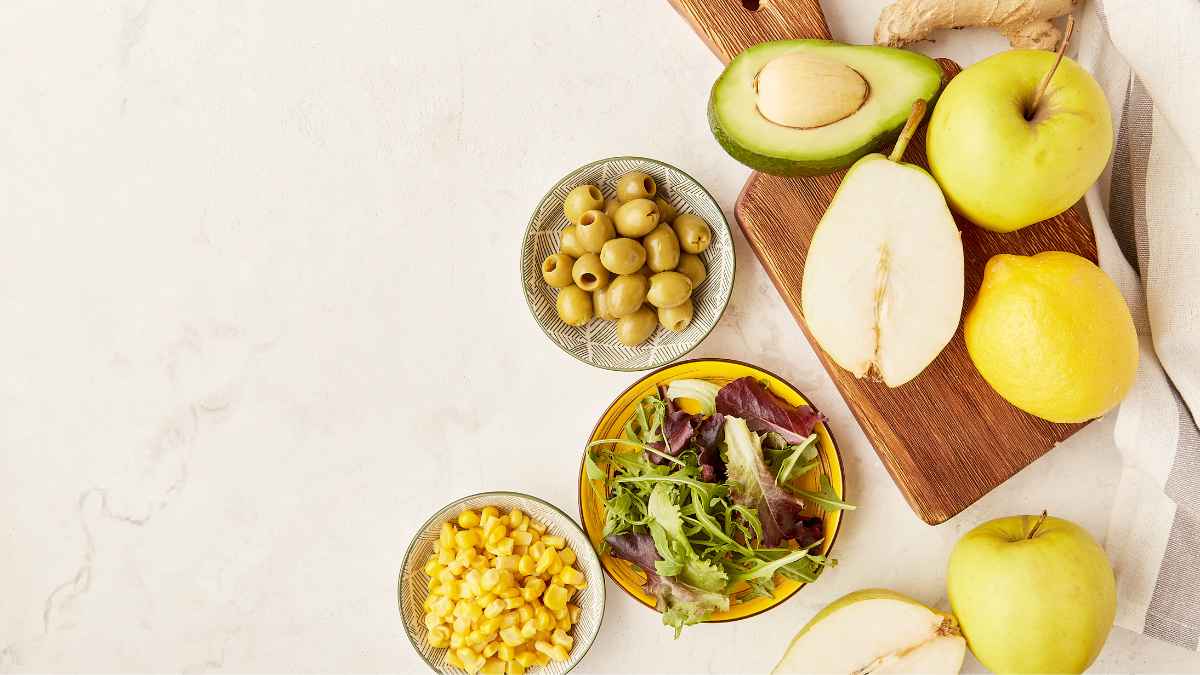

Introduction:
The low FODMAP diet has gained significant attention in recent years as a dietary approach to managing symptoms associated with irritable bowel syndrome (IBS) and other gastrointestinal disorders. FODMAPs, which stand for fermentable oligosaccharides, disaccharides, monosaccharides, and polyols, are short-chain carbohydrates that can be poorly absorbed in the small intestine. This article will explore the suitability of applesauce within the context of a low FODMAP diet, providing insights into its FODMAP content, preparation methods, and practical applications in meal planning.
Understanding FODMAPs: A Brief Overview for Consumers
FODMAPs are a group of carbohydrates that can lead to digestive discomfort in sensitive individuals. They include various types of sugars and fibers that are found in a wide range of foods. The primary categories of FODMAPs include oligosaccharides (found in wheat, rye, and legumes), disaccharides (such as lactose in dairy products), monosaccharides (like fructose in certain fruits), and polyols (sugar alcohols found in some fruits and artificial sweeteners). Understanding these categories is crucial for consumers who wish to manage their digestive health through dietary changes.
The low FODMAP diet is typically divided into three phases: elimination, reintroduction, and personalization. During the elimination phase, high FODMAP foods are removed from the diet for a period of time, usually around 4-6 weeks. This is followed by the reintroduction phase, where foods are systematically tested to determine individual tolerance levels. Finally, the personalization phase allows individuals to create a sustainable diet that minimizes symptoms while still including a variety of foods.
For those who experience digestive issues, understanding FODMAPs can empower them to make informed dietary choices. However, it is essential to approach the low FODMAP diet under the guidance of a healthcare professional or a registered dietitian, as it can be complex and may lead to nutritional deficiencies if not followed correctly.
In summary, FODMAPs are a significant factor in digestive health, and a low FODMAP diet can provide relief for many individuals. By recognizing the types of FODMAPs and their sources, consumers can better navigate their dietary options.
The Role of Apples in the Low FODMAP Diet Framework
Apples are a popular fruit known for their health benefits, including high fiber content and a rich supply of vitamins and antioxidants. However, they are also classified as high FODMAP due to their fructose content, which can lead to digestive discomfort for some individuals. When consumed in moderation, apples may still be tolerated by some people with IBS, but careful consideration is necessary.
In the context of a low FODMAP diet, it is essential to understand that not all apple varieties are created equal. Some apples may contain higher levels of fructose than others, and the ripeness of the fruit can also affect its FODMAP content. For instance, sweeter apple varieties, such as Honeycrisp or Fuji, may be more problematic than tart varieties like Granny Smith. This variability means that individuals must pay attention to their specific tolerance levels when incorporating apples into their diet.
Moreover, the preparation method can influence the FODMAP content of apples. Cooking or processing apples into applesauce may alter their FODMAP profile, potentially making them easier to digest. However, the specific effects of cooking on FODMAP levels can vary, and further analysis is necessary to determine the exact impact on individual tolerance.
In conclusion, while apples are generally considered high FODMAP, their role in the low FODMAP diet is nuanced. Individual tolerance, apple variety, and preparation methods all play a significant role in determining whether apples can be included in a low FODMAP diet.
Analyzing Applesauce: FODMAP Content and Considerations
When it comes to applesauce, the FODMAP content can differ from that of whole apples. Generally, applesauce is made by cooking apples and pureeing them, which may reduce the overall FODMAP load. However, the extent of this reduction depends on several factors, including the type of apples used and the preparation method.
Research indicates that unsweetened applesauce made from low FODMAP apple varieties, such as Granny Smith, may be tolerated in moderate portions. A serving size of about 1/4 cup (approximately 60 grams) of unsweetened applesauce is often considered low FODMAP. However, it is crucial to monitor individual responses, as some may still experience symptoms even with this portion size.
Another consideration is the potential addition of sweeteners or other ingredients in commercially prepared applesauce. Many store-bought varieties contain added sugars or high-fructose corn syrup, which can elevate the FODMAP content. Therefore, consumers should always read labels carefully and opt for products that are free from high FODMAP ingredients.
In summary, while applesauce can be a suitable option for those following a low FODMAP diet, it is essential to choose the right type and portion size. Unsweetened applesauce made from low FODMAP apple varieties is generally the best choice, but individual tolerance should always be taken into account.
Comparing Homemade vs. Store-Bought Applesauce Variants
When considering whether to incorporate applesauce into a low FODMAP diet, one must weigh the benefits of homemade versus store-bought options. Homemade applesauce allows for greater control over the ingredients and preparation methods, making it easier to ensure that it remains low FODMAP. By selecting low FODMAP apple varieties and avoiding added sugars or preservatives, individuals can create a healthier and more digestible product.
Making applesauce at home is a straightforward process that typically involves peeling, coring, and cooking apples until soft, followed by mashing or blending them to achieve the desired consistency. This method not only allows for customization in flavor and texture but also ensures that no high FODMAP ingredients are introduced during the cooking process.
On the other hand, store-bought applesauce can be convenient, but it often comes with hidden ingredients that may increase its FODMAP content. Many commercial applesauce products contain added sugars, high-fructose corn syrup, or even other high FODMAP fruits. Therefore, consumers must be diligent about reading labels and selecting products that are specifically labeled as low FODMAP or free from high FODMAP ingredients.
In conclusion, while both homemade and store-bought applesauce can be included in a low FODMAP diet, homemade options offer greater control over ingredients and preparation methods. For those looking to manage their digestive health effectively, making applesauce at home may be the better choice.
Practical Guidelines for Incorporating Applesauce in Meals
Incorporating applesauce into meals can be a delicious and nutritious way to enhance flavor and texture while adhering to a low FODMAP diet. One practical guideline is to use applesauce as a substitute for oil or butter in baking recipes. This not only reduces the overall fat content but also adds natural sweetness and moisture to baked goods, making it an excellent option for muffins, cakes, and pancakes.
Another way to use applesauce is as a topping or side dish. It can be served alongside savory dishes, such as pork or chicken, to provide a sweet contrast that complements the flavors. Additionally, applesauce can be mixed with yogurt or oatmeal for a nutritious breakfast or snack. This combination adds fiber and natural sweetness while keeping the meal low in FODMAPs.
Portion control is crucial when incorporating applesauce into meals. As previously mentioned, a serving size of about 1/4 cup is generally considered low FODMAP. However, individuals should monitor their tolerance levels and adjust portion sizes accordingly. Keeping a food diary can help track symptoms and identify any potential triggers related to applesauce consumption.
In summary, there are various practical ways to incorporate applesauce into meals while adhering to a low FODMAP diet. By using it as a substitute in baking, pairing it with savory dishes, and practicing portion control, individuals can enjoy the benefits of applesauce without compromising their digestive health.
Conclusions:
In conclusion, applesauce can be a suitable option for those following a low FODMAP diet, particularly when made from low FODMAP apple varieties and consumed in moderation. While whole apples are generally high in FODMAPs, the cooking process involved in making applesauce may reduce the overall FODMAP load. However, individual tolerance levels can vary, so it is essential to monitor symptoms and adjust portion sizes accordingly. By choosing homemade options and being mindful of ingredients in store-bought products, individuals can effectively incorporate applesauce into their diet while managing their digestive health.
Read more
-
Monash University FODMAP Diet – This site provides comprehensive information on FODMAPs, including a detailed food guide and resources for managing a low FODMAP diet.
-
FODMAP Friendly – A resource that offers a certification program for low FODMAP foods, along with recipes and meal planning tips.
-
The IBS Network – A charity that provides support and information for individuals with IBS, including dietary guidelines and resources for managing symptoms.
-
American Journal of Gastroenterology – A peer-reviewed journal that publishes research on gastrointestinal health, including studies related to FODMAPs and dietary interventions.
-
Healthline: FODMAP Diet – An informative article that outlines the principles of the low FODMAP diet, including lists of high and low FODMAP foods.