

Se hai un abbonamento attivo ACCEDI QUI
Introduction:
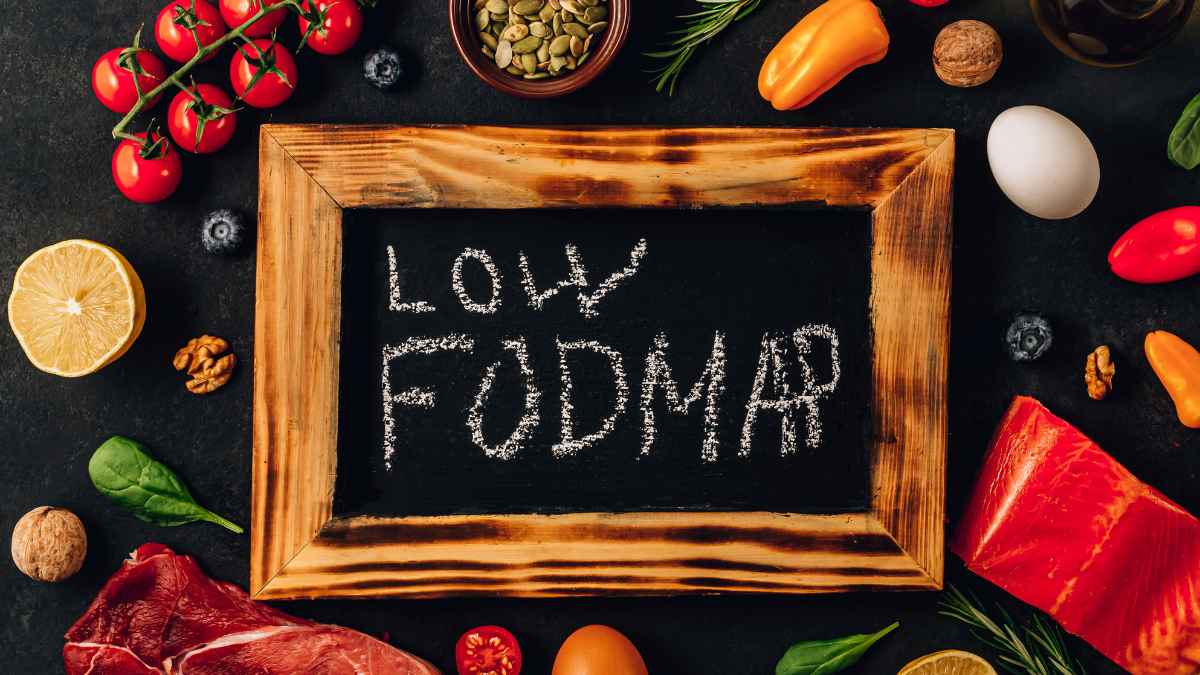
The low FODMAP diet has gained significant attention as a dietary approach for managing symptoms of irritable bowel syndrome (IBS) and other gastrointestinal disorders. FODMAPs, which stands for fermentable oligosaccharides, disaccharides, monosaccharides, and polyols, are short-chain carbohydrates that can cause digestive distress in sensitive individuals. As people explore food options within this framework, one question frequently arises: is bacon low in FODMAP? This article aims to dissect the composition of bacon, evaluate its types, and provide insights into its consumption within a low FODMAP diet.
Understanding FODMAPs: A Brief Overview of Their Impact
FODMAPs are a group of carbohydrates that are poorly absorbed in the small intestine. They can lead to symptoms such as bloating, gas, abdominal pain, and diarrhea in individuals with IBS. The primary types of FODMAPs include fructans, galacto-oligosaccharides (GOS), lactose, fructose, and polyols. Each of these components has different sources and impacts on digestion, making it essential to understand their role in dietary choices.
The low FODMAP diet is typically divided into three phases: elimination, reintroduction, and personalization. During the elimination phase, high FODMAP foods are removed from the diet for a period of time, usually four to six weeks. This helps to identify food triggers and alleviate symptoms. The reintroduction phase allows individuals to test different FODMAPs and observe their effects, while the personalization phase aims to create a sustainable diet that minimizes symptoms without overly restricting food choices.
Given the widespread popularity of bacon, it is crucial to assess its FODMAP content. Many people enjoy bacon for its flavor and versatility, incorporating it into breakfast dishes, salads, and various recipes. However, the question remains whether it fits within the parameters of a low FODMAP diet and how it affects those with sensitivities.
Understanding the implications of FODMAPs in food choices can empower individuals to make informed dietary decisions. By evaluating the nutritional composition of bacon and its potential FODMAP content, we can better understand its place within a low FODMAP framework.
The Composition of Bacon: Nutritional Analysis and FODMAPs
Bacon is primarily composed of pork, which is a source of protein and fat. Nutritionally, a typical serving of bacon (about 15 grams) contains approximately 42 calories, 3 grams of protein, 3.3 grams of fat, and negligible carbohydrates. This low carbohydrate content is a key factor when considering its FODMAP status, as FODMAPs are primarily carbohydrate-based.
In addition to its macronutrient profile, bacon contains various vitamins and minerals, including B vitamins, zinc, and iron. However, the processing of bacon can introduce additional ingredients, such as sugar, preservatives, and flavor enhancers, which may alter its nutritional value and FODMAP content. Understanding the specific composition of bacon is essential when evaluating its suitability for a low FODMAP diet.
The absence of significant amounts of FODMAPs in unprocessed pork suggests that bacon, in its simplest form, should be low in FODMAPs. However, the presence of added ingredients in processed bacon could potentially introduce FODMAPs, making it crucial for consumers to read labels carefully and choose products that align with their dietary needs.
Overall, the nutritional analysis of bacon reveals that it is a protein-rich food with minimal carbohydrates, making it a candidate for inclusion in a low FODMAP diet, provided it is chosen wisely and consumed in moderation.
Evaluating Bacon Types: Processed vs. Unprocessed Options
When discussing bacon’s FODMAP content, it is essential to differentiate between processed and unprocessed varieties. Unprocessed bacon, often referred to as "fresh" or "raw" bacon, is typically made from pork belly or other cuts of meat without the addition of significant preservatives or flavorings. This type of bacon is generally considered low in FODMAPs due to its simple composition.
On the other hand, processed bacon, which includes varieties such as smoked, cured, or flavored bacon, may contain additional ingredients that could introduce FODMAPs. Common additives include sugar, honey, and various spices, which can be high in FODMAPs. For instance, some flavored bacons may use garlic or onion powder, both of which are high FODMAP ingredients and can trigger symptoms in sensitive individuals.
When selecting bacon, consumers should opt for brands that clearly label their ingredients. Look for options that list only pork and salt as the primary components, as these are more likely to be low in FODMAPs. Additionally, checking for certifications or guidance from reputable sources can help ensure that the bacon aligns with low FODMAP dietary guidelines.
In summary, understanding the differences between processed and unprocessed bacon is crucial for those following a low FODMAP diet. By making informed choices about the type of bacon consumed, individuals can enjoy this popular food while minimizing the risk of triggering digestive symptoms.
FODMAP Content in Bacon: Is It Truly Low or Not?
The question of whether bacon is truly low in FODMAPs depends largely on the specific type and preparation method. As previously discussed, unprocessed bacon is generally low in FODMAPs due to its lack of carbohydrate content. However, the potential for added FODMAPs in processed varieties cannot be overlooked.
Research from the Monash University FODMAP Diet app indicates that plain, unprocessed bacon is low in FODMAPs and can be safely consumed in moderate amounts. This aligns with the general understanding that meats, including pork, are low in FODMAPs when not combined with high FODMAP ingredients. Therefore, individuals with IBS or other sensitivities can enjoy bacon as part of their low FODMAP diet.
However, it is crucial to remember that individual tolerance to FODMAPs can vary significantly. While some may tolerate bacon well, others might experience symptoms due to other dietary factors or specific sensitivities. Therefore, it is advisable to introduce bacon gradually and monitor any reactions closely.
Ultimately, while bacon can be considered low in FODMAPs, it is essential to choose the right type and be mindful of portion sizes. By doing so, individuals can enjoy bacon without compromising their dietary goals.
Expert Opinions: Nutritionists Weigh In on Bacon Consumption
Nutritionists and dietitians often emphasize the importance of a balanced diet, even within the constraints of a low FODMAP regimen. Many experts agree that bacon can be included in a low FODMAP diet, particularly when opting for unprocessed varieties. They highlight that bacon can provide essential nutrients and protein while adding flavor to meals.
However, experts also caution against excessive consumption of bacon due to its high saturated fat and sodium content. While enjoying bacon in moderation can be part of a healthy diet, overindulgence may lead to other health issues, such as cardiovascular disease. Therefore, nutritionists recommend balancing bacon with other low FODMAP foods, such as vegetables, whole grains, and healthy fats.
Furthermore, some nutritionists suggest that individuals should focus on the overall quality of their diet rather than fixating on specific foods. Incorporating a variety of protein sources, including lean meats, fish, legumes, and plant-based options, can provide a more comprehensive nutrient profile while managing FODMAP intake.
In conclusion, while bacon can fit into a low FODMAP diet, it is essential to consider individual health goals and dietary needs. Consulting with a healthcare professional or registered dietitian can provide personalized guidance on incorporating bacon and other foods into a balanced diet.
Practical Guidelines: Incorporating Bacon in a Low FODMAP Diet
For those looking to include bacon in a low FODMAP diet, several practical guidelines can help ensure safe consumption. First and foremost, always choose unprocessed bacon when possible. Look for bacon that lists only pork and salt as ingredients, avoiding those with added sugars, garlic, or onion.
Portion control is another critical factor. While bacon is low in FODMAPs, it is still high in fat and calories. A serving size of about 15-30 grams is generally considered appropriate for most individuals. Monitoring how your body reacts to bacon can help determine the right amount for your diet.
Additionally, consider pairing bacon with low FODMAP foods to create balanced meals. For example, bacon can be added to a salad with leafy greens, cucumbers, and tomatoes, or used as a topping for a low FODMAP pizza made with gluten-free crust and lactose-free cheese. This approach not only enhances flavor but also ensures a more nutrient-dense meal.
Lastly, keep a food diary to track your intake and any symptoms experienced after consuming bacon. This can help identify personal tolerances and guide future dietary choices. By following these guidelines, individuals can enjoy bacon while adhering to a low FODMAP diet.
Conclusions:
In summary, bacon can be considered low in FODMAPs, particularly when choosing unprocessed varieties. However, the presence of added ingredients in processed bacon can introduce FODMAPs, making it essential to read labels and select wisely. Moderation and portion control are key, and individuals should monitor their reactions to bacon as part of their overall dietary strategy. By incorporating bacon thoughtfully, it is possible to enjoy this beloved food while maintaining a low FODMAP lifestyle.
Read more
-
Monash University FODMAP Diet
A comprehensive resource for understanding FODMAPs, this site offers detailed information on low FODMAP foods, including bacon.
Visit Monash University -
The Low FODMAP Diet: A Guide for Beginners
This article provides an overview of the low FODMAP diet, including tips for meal planning and food choices.
Read the Guide -
Nutrition and IBS: The Role of FODMAPs
A research-based article discussing the impact of FODMAPs on IBS symptoms and dietary management.
Explore the Research -
FODMAP Friendly: Foods to Avoid and Include
This site offers a list of FODMAP-friendly foods and a database for checking the FODMAP content of various items.
Check FODMAP Friendly -
Dietitian’s Insights on Low FODMAP Eating
A blog post by a registered dietitian discussing practical tips for incorporating low FODMAP foods into your diet.
Read the Insights