
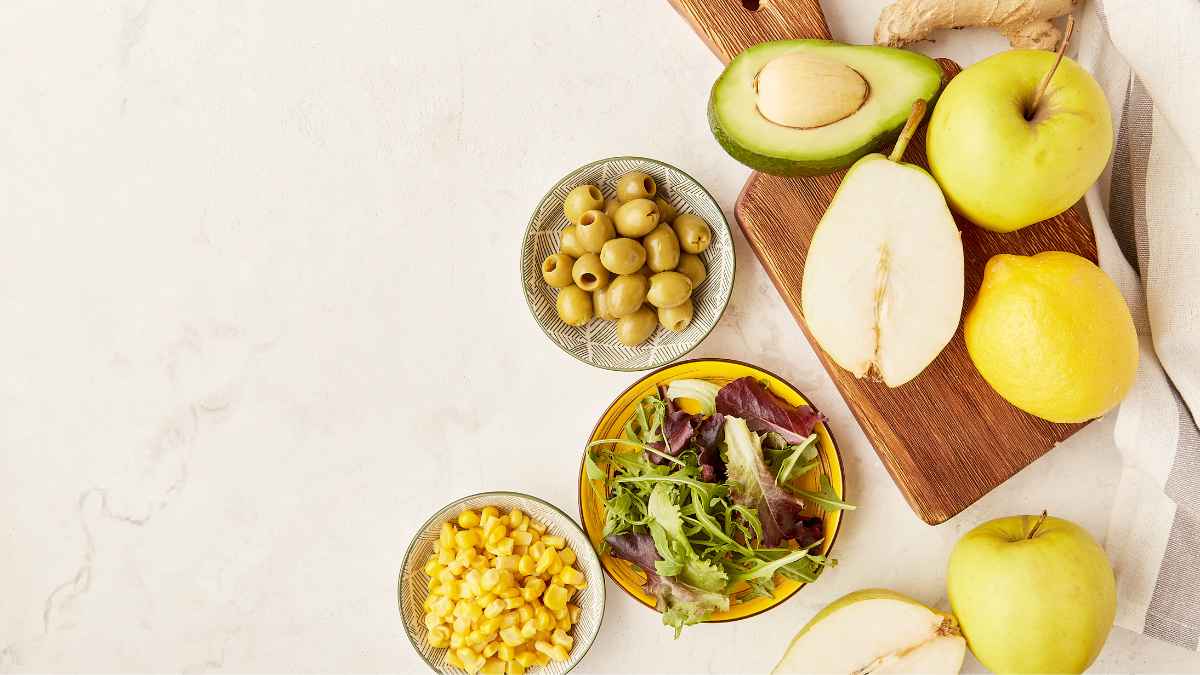

Introduction:
The Low FODMAP diet has gained significant attention in recent years, particularly among individuals suffering from irritable bowel syndrome (IBS) and other gastrointestinal disorders. FODMAPs, which stands for fermentable oligosaccharides, disaccharides, monosaccharides, and polyols, are short-chain carbohydrates that can cause digestive distress in sensitive individuals. One common vegetable that often comes under scrutiny in this context is cabbage. This article aims to explore the FODMAP content of cabbage, its nutritional composition, and its implications for those following a low-FODMAP lifestyle.
Understanding FODMAPs: A Brief Overview of Their Impact
FODMAPs are a group of carbohydrates that are poorly absorbed in the small intestine. They can lead to symptoms such as bloating, gas, abdominal pain, and diarrhea in susceptible individuals. The primary FODMAPs include fructose, lactose, fructans, galacto-oligosaccharides (GOS), and polyols. Understanding how these compounds interact with the gut microbiome is crucial for managing symptoms related to FODMAP sensitivity.
The impact of FODMAPs can vary significantly from person to person. While some individuals may tolerate certain FODMAPs in small amounts, others may experience severe reactions even to trace amounts. This variability necessitates a personalized approach to dietary management, particularly for those with IBS or similar conditions.
Cabbage, a member of the cruciferous vegetable family, is often consumed for its health benefits, including high fiber content and essential vitamins. However, it is essential to assess its FODMAP levels to determine its suitability for those on a low-FODMAP diet.
Research indicates that while some FODMAPs can be beneficial for gut health, excessive intake can lead to distressing symptoms. This duality makes it necessary for individuals to be aware of the FODMAP content in foods they consume, including cabbage.
Nutritional Composition of Cabbage: Key Components Analyzed
Cabbage is a nutrient-dense vegetable, rich in vitamins C and K, as well as dietary fiber. It also contains various phytonutrients and antioxidants, which contribute to its health-promoting properties. However, when considering its place in a low-FODMAP diet, the focus shifts to its carbohydrate composition.
The primary carbohydrate in cabbage is fiber, which is generally beneficial for digestive health. However, cabbage also contains oligosaccharides, specifically fructans, which are classified as high-FODMAP components. The presence of these oligosaccharides can pose challenges for individuals with FODMAP sensitivities.
In addition to fiber and oligosaccharides, cabbage is low in calories and fat, making it a popular choice for those seeking to maintain a healthy weight. Its high water content also contributes to hydration, further enhancing its nutritional profile.
Despite its health benefits, the FODMAP content of cabbage can limit its consumption for sensitive individuals. Therefore, understanding its nutritional composition is crucial for making informed dietary choices.
Cabbage Varieties: Differences in FODMAP Content Explored
Cabbage comes in various forms, including green cabbage, red cabbage, and savoy cabbage. Each variety has unique nutritional attributes and varying FODMAP levels. Green cabbage is the most common type, often used in salads and coleslaw, while red cabbage is known for its vibrant color and slightly sweeter flavor.
Research indicates that different cabbage varieties can have differing amounts of FODMAPs. For instance, while green cabbage is generally considered moderate in FODMAPs, red cabbage is often regarded as lower in FODMAP content, making it a more suitable option for those on a low-FODMAP diet.
Savoy cabbage, with its crinkly leaves, is another variety that may have a different FODMAP profile. Some studies suggest that savoy cabbage may be better tolerated by individuals with FODMAP sensitivities, although more research is needed to confirm these findings.
Understanding these differences is crucial for individuals managing FODMAP sensitivities. By selecting the appropriate cabbage variety, individuals can enjoy the health benefits of cabbage without triggering digestive discomfort.
FODMAP Testing: Methods for Analyzing Cabbage Levels
To accurately assess the FODMAP content of cabbage, various testing methods have been developed. One common approach involves laboratory analysis, where samples of cabbage are subjected to chromatography techniques to quantify specific FODMAPs present in the vegetable.
Another method includes conducting controlled feeding studies with participants who have known FODMAP sensitivities. By monitoring their symptoms after consuming different cabbage varieties, researchers can gather valuable data on how these vegetables affect individuals with IBS or similar conditions.
Additionally, the Monash University FODMAP Diet app is a widely used resource that provides information on the FODMAP content of various foods, including cabbage. This app is based on extensive research and offers practical guidance for individuals looking to navigate their dietary choices.
These testing methods are essential for providing accurate information about the FODMAP levels in cabbage, helping individuals make informed decisions about their dietary intake.
Implications for Diet: Cabbage in a Low-FODMAP Lifestyle
For individuals following a low-FODMAP diet, understanding the FODMAP content of cabbage is vital. While cabbage can be a nutritious addition to many meals, its potential to cause digestive distress means that careful consideration is necessary.
Moderation is key when incorporating cabbage into a low-FODMAP diet. Some individuals may tolerate small amounts of certain cabbage varieties without experiencing symptoms, while others may need to avoid it altogether. Keeping a food diary can be beneficial for tracking symptoms and identifying personal tolerance levels.
Cooking methods can also influence the FODMAP content of cabbage. For example, boiling or steaming cabbage may reduce its FODMAP levels compared to consuming it raw. This can provide individuals with more options for including cabbage in their meals while minimizing the risk of digestive discomfort.
Ultimately, cabbage can play a role in a balanced diet, but individuals must remain vigilant about their FODMAP intake and listen to their bodies to manage sensitivity effectively.
Conclusions:
Cabbage, while a nutritious vegetable, presents challenges for those following a low-FODMAP diet due to its oligosaccharide content. Understanding the FODMAP levels of different cabbage varieties and employing moderation can help individuals manage their symptoms effectively. By being informed about the nutritional composition and FODMAP content of cabbage, individuals can make better dietary choices that align with their health needs.
Read more
- Monash University FODMAP Diet – An authoritative source on FODMAP research and dietary guidelines.
- FODMAP Friendly – A resource providing information on low-FODMAP foods and products.
- IBS Network – A charity offering support and information for individuals with IBS and related conditions.
- Harvard Health Publishing: FODMAP Diet – An article discussing the FODMAP diet and its implications for digestive health.
- Cleveland Clinic: Understanding FODMAPs – A comprehensive overview of FODMAPs and their effects on gastrointestinal health.