

Introduction:
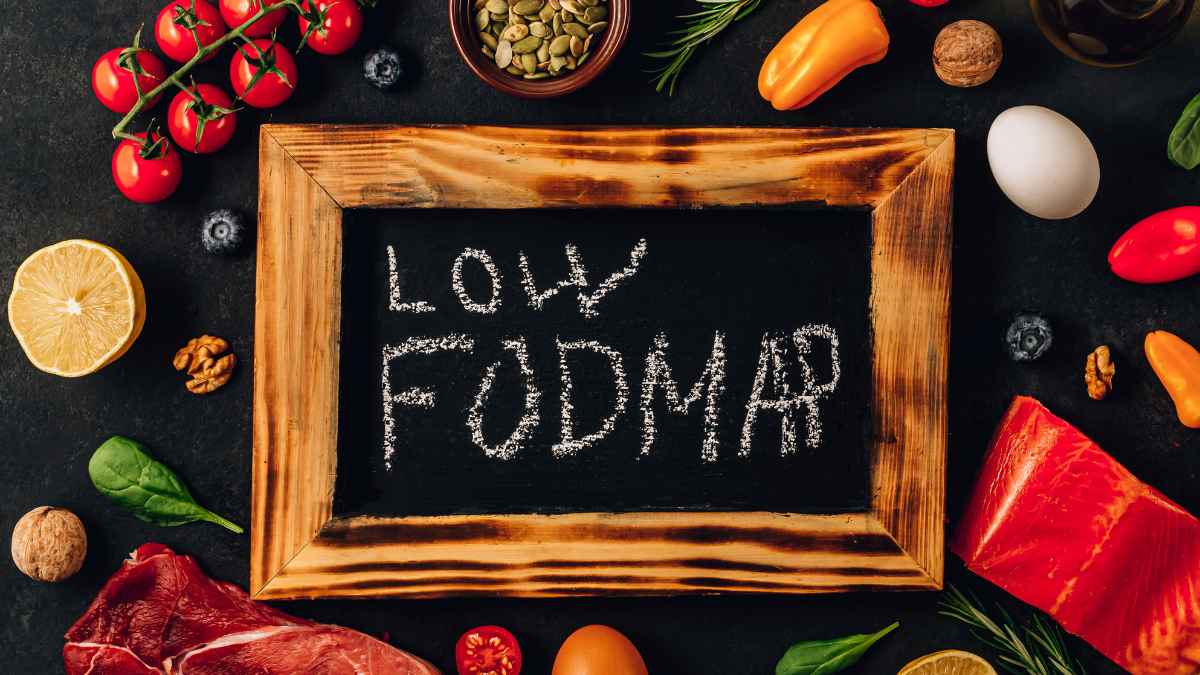
The low FODMAP diet has gained significant attention for its role in managing symptoms associated with irritable bowel syndrome (IBS) and other gastrointestinal disorders. FODMAPs, which stands for fermentable oligosaccharides, disaccharides, monosaccharides, and polyols, are short-chain carbohydrates that can trigger digestive discomfort in sensitive individuals. Among the various food items, rice often comes up in discussions about low FODMAP choices. This article explores the relationship between rice and FODMAPs, providing a comprehensive overview of its nutritional composition, types, and practical implications for those following a low FODMAP diet.
Understanding FODMAPs: A Brief Overview and Implications
FODMAPs are a group of carbohydrates that are poorly absorbed in the small intestine. They include oligosaccharides (found in wheat, onions, and garlic), disaccharides (like lactose in dairy products), monosaccharides (such as fructose found in honey and certain fruits), and polyols (sugar alcohols found in some fruits and artificial sweeteners). When consumed, these compounds can lead to symptoms like bloating, gas, abdominal pain, and diarrhea, particularly in individuals with IBS. Understanding FODMAPs is crucial for those looking to alleviate gastrointestinal discomfort.
The low FODMAP diet is typically implemented in three phases: elimination, reintroduction, and personalization. During the elimination phase, high FODMAP foods are removed from the diet for a period, usually around 4-6 weeks. This allows individuals to identify which foods contribute to their symptoms. The reintroduction phase involves gradually adding high FODMAP foods back into the diet to determine tolerance levels. Finally, the personalization phase involves creating a long-term eating plan that accommodates individual tolerances.
The implications of FODMAP consumption extend beyond digestive health; they can also affect overall well-being, including mood and energy levels. Many individuals report improvements in their quality of life after adopting a low FODMAP diet. However, it’s essential to approach this diet under the guidance of a healthcare professional, as it can be restrictive and may lead to nutritional deficiencies if not managed properly.
In summary, understanding FODMAPs and their impact on digestive health is vital for those experiencing gastrointestinal issues. The low FODMAP diet offers a structured approach to identifying and managing food triggers, ultimately leading to improved health outcomes.
Nutritional Composition of Rice: A Detailed Analysis
Rice is a staple food for a significant portion of the world’s population and is known for its versatility and ease of preparation. It is predominantly composed of carbohydrates, making it an excellent source of energy. In terms of nutritional composition, rice contains approximately 80% carbohydrates, with the remaining 20% comprising proteins, fats, vitamins, and minerals.
The protein content in rice is relatively low compared to other grains, averaging around 2-3 grams per 100 grams of cooked rice. However, it is a good source of essential amino acids, particularly when paired with legumes or other protein sources. Rice is also low in fat, with less than 1 gram per serving, making it a heart-healthy choice.
In addition to macronutrients, rice provides several micronutrients, including B vitamins (such as thiamine and niacin), iron, and magnesium. Brown rice, in particular, retains the bran and germ layers, offering more fiber and nutrients compared to white rice. The fiber content in brown rice is beneficial for digestive health, although it is important to note that fiber can also be a FODMAP trigger for some individuals.
Overall, rice is a nutrient-dense food that can fit well into a balanced diet. Its low fat and moderate protein content, combined with its rich carbohydrate profile, make it a staple food for many, particularly in low FODMAP meal planning.
Types of Rice: Variations and Their FODMAP Content
Rice comes in various types, each with distinct flavors, textures, and nutritional profiles. The most common varieties include white rice, brown rice, jasmine rice, basmati rice, and sticky rice. Understanding the FODMAP content of these varieties is essential for individuals adhering to a low FODMAP diet.
White rice is the most commonly consumed type and is considered low in FODMAPs. It is refined and has had the bran and germ removed, resulting in a soft texture and mild flavor. White rice is often recommended for those on a low FODMAP diet due to its low fiber content and minimal fermentable carbohydrates.
Brown rice, while also low in FODMAPs, contains more fiber and nutrients than white rice. However, the higher fiber content can be a concern for some individuals, as it may exacerbate symptoms in those with heightened sensitivity to fiber. It’s advisable for individuals to monitor their tolerance when consuming brown rice.
Jasmine and basmati rice are aromatic varieties that are also low in FODMAPs. Both types have a unique flavor profile and can be used in various culinary applications. Sticky rice, on the other hand, is often used in Asian cuisine and is also low in FODMAPs, making it a versatile option for those following the diet.
In summary, most rice varieties are low in FODMAPs, making them suitable options for individuals with IBS or other digestive issues. However, personal tolerance levels may vary, and it’s essential to pay attention to how different types of rice affect individual symptoms.
Low FODMAP Diet: Guidelines and Food Choices Explained
The low FODMAP diet is designed to help individuals identify and eliminate foods that trigger gastrointestinal symptoms. The initial phase involves avoiding high FODMAP foods, which include certain fruits (like apples and pears), vegetables (such as onions and garlic), legumes, dairy products, and sweeteners like honey and high-fructose corn syrup.
During the elimination phase, individuals are encouraged to focus on low FODMAP foods, which include rice, certain meats, fish, eggs, most dairy alternatives (like lactose-free milk), and a variety of fruits and vegetables such as bananas, carrots, and spinach. This phase typically lasts for 4-6 weeks, during which individuals should keep a food diary to track their symptoms and dietary intake.
After the elimination phase, the reintroduction phase begins. This involves systematically adding high FODMAP foods back into the diet one at a time to assess tolerance levels. This process helps individuals identify specific triggers and understand which FODMAPs they can tolerate in moderation.
The final phase, personalization, focuses on creating a balanced diet that accommodates individual preferences and tolerances. It’s important to note that the low FODMAP diet is not intended to be a long-term solution; rather, it serves as a tool for managing symptoms and promoting digestive health. Consulting with a registered dietitian can provide valuable guidance in navigating this diet effectively.
Scientific Studies on Rice and FODMAP Levels
Research on FODMAPs has expanded significantly in recent years, with numerous studies investigating their effects on gastrointestinal health. A key finding is that rice, particularly white rice, is consistently classified as low in FODMAPs, making it a safe choice for individuals with IBS.
A study published in the journal Gastroenterology examined the FODMAP content of various foods and confirmed that rice does not contain significant levels of fermentable carbohydrates. This reinforces the notion that rice can be a staple in a low FODMAP diet, providing a reliable source of energy without triggering symptoms.
Additionally, research has indicated that the cooking method and preparation of rice can influence its digestibility. For instance, cooking rice thoroughly and allowing it to cool before consumption may improve its resistance to fermentation, potentially benefiting those with digestive sensitivities.
Further studies are needed to explore the long-term effects of a low FODMAP diet on gut health and the role of rice in this dietary approach. However, current evidence supports the inclusion of rice as a staple food for individuals seeking to manage FODMAP-related symptoms effectively.
Practical Tips for Incorporating Rice in a Low FODMAP Diet
Incorporating rice into a low FODMAP diet can be both easy and enjoyable. Here are some practical tips to help individuals make the most of this versatile grain.
First, choose the right type of rice based on personal preferences and tolerances. While white rice is a safe choice for most, experimenting with brown, jasmine, or basmati rice can add variety to meals. Always monitor how different types affect individual symptoms.
Second, consider meal planning to ensure a balanced intake of nutrients. Pairing rice with low FODMAP proteins, such as grilled chicken, fish, or tofu, and incorporating a variety of low FODMAP vegetables can create satisfying and nutritious meals.
Third, experiment with different cooking methods. Rice can be boiled, steamed, or even used in stir-fries. Adding herbs and low FODMAP spices can enhance flavor without introducing high FODMAP ingredients.
Lastly, keep a food diary to track symptoms and identify any potential triggers. This practice can help individuals understand their personal tolerances and make informed choices about incorporating rice and other foods into their diet.
Conclusions:
In conclusion, rice is a low FODMAP food that can be safely included in the diets of individuals with IBS and other digestive sensitivities. With its diverse varieties and nutritional benefits, rice serves as a versatile staple that can complement a wide range of dishes. By understanding the types of rice available and following the guidelines of the low FODMAP diet, individuals can effectively manage their symptoms and enjoy a balanced, nutritious diet.
Read more
- Monash University FODMAP Diet – A comprehensive resource on the low FODMAP diet, including food guides and scientific research.
- FODMAP Friendly – An organization providing information on low FODMAP foods, recipes, and product certifications.
- Gastroenterology Research and Practice – A peer-reviewed journal featuring studies on gastrointestinal health, including research on FODMAPs.
- American Journal of Gastroenterology – A leading journal publishing research on digestive disorders, including studies related to FODMAPs and dietary interventions.
- Dietitians Australia – A professional organization providing resources and guidance on nutrition, including the low FODMAP diet.