
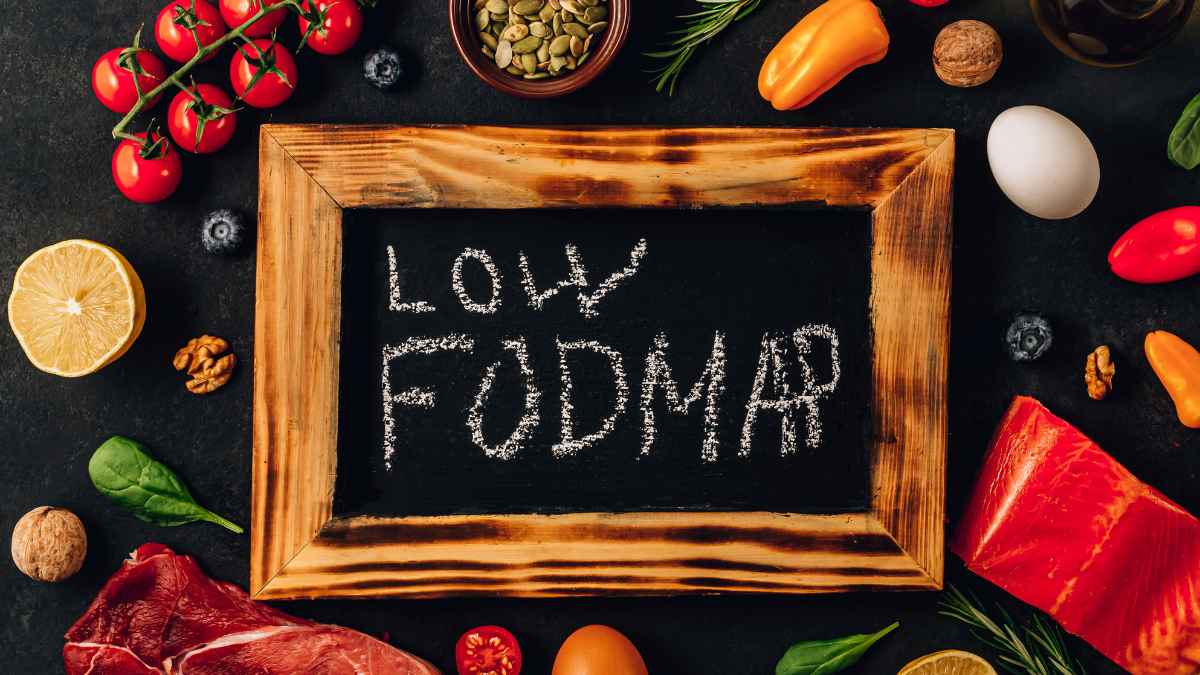

Introduction:
The low FODMAP diet has gained considerable attention as a therapeutic approach for managing symptoms associated with irritable bowel syndrome (IBS) and other gastrointestinal disorders. FODMAP, an acronym for fermentable oligosaccharides, disaccharides, monosaccharides, and polyols, refers to a group of short-chain carbohydrates that can be poorly absorbed in the small intestine. Understanding which diets align closely with the principles of low FODMAP can be beneficial for those seeking alternative dietary strategies. This article will explore the key principles of the low FODMAP diet, identify similar dietary patterns, and discuss the implications of fiber intake, particularly in relation to the Mediterranean and Paleo diets.
Understanding the Low FODMAP Diet: Key Principles Explained
The low FODMAP diet is structured in three phases: elimination, reintroduction, and personalization. The elimination phase involves removing high FODMAP foods from the diet for a period of 4-6 weeks. This phase aims to alleviate symptoms by reducing the intake of foods that may trigger gastrointestinal distress. Common high FODMAP foods include certain fruits, vegetables, legumes, dairy products, and sweeteners.
Following the elimination phase, the reintroduction phase allows individuals to gradually reintroduce high FODMAP foods one at a time. This process helps identify specific triggers and tolerance levels for various FODMAP categories. The final phase, personalization, is about developing a long-term eating plan that incorporates tolerated foods while minimizing those that cause symptoms.
The diet emphasizes the importance of individualization, as FODMAP sensitivity can vary significantly among individuals. While some may tolerate certain high FODMAP foods, others may not. Therefore, keeping a detailed food diary during the reintroduction phase can be beneficial for tracking symptoms and food intake.
In addition, the low FODMAP diet encourages the consumption of low FODMAP foods, which can include a variety of meats, fish, eggs, nuts, seeds, and certain grains. This diversity helps ensure that individuals receive essential nutrients while managing their gastrointestinal symptoms effectively.
Identifying Similar Diets: A Comparative Analysis
When considering diets that align closely with the low FODMAP approach, it is essential to examine their underlying principles. One such diet is the gluten-free diet, which eliminates gluten-containing grains like wheat, barley, and rye. While not all gluten-free foods are low in FODMAPs, many individuals with IBS find that gluten can exacerbate their symptoms.
Another comparable dietary pattern is the elimination diet. This approach involves removing various food groups to identify allergens or intolerances. While the low FODMAP diet specifically targets fermentable carbohydrates, elimination diets can be broader and may include dairy, soy, and nuts.
The specific carbohydrate diet (SCD) is another dietary approach that shares similarities with the low FODMAP diet. SCD focuses on eliminating complex carbohydrates and sugars that are difficult to digest. This diet also emphasizes whole, unprocessed foods, aligning with the low FODMAP principle of consuming easily digestible options.
Lastly, the anti-inflammatory diet aims to reduce inflammation through the consumption of whole foods and the avoidance of processed items. While not specifically designed for FODMAP sensitivity, the anti-inflammatory diet’s focus on nutrient-dense foods can complement the low FODMAP approach, particularly in managing gut health.
The Role of Fiber in Low FODMAP and Related Diets
Fiber plays a crucial role in digestive health, and its consumption must be carefully managed within the context of a low FODMAP diet. High FODMAP fibers, such as inulin and certain types of resistant starch, can exacerbate symptoms in sensitive individuals. Therefore, it is essential to focus on low FODMAP fiber sources, such as oats, quinoa, and certain fruits and vegetables.
Incorporating adequate fiber is vital for maintaining regular bowel movements and promoting overall gut health. However, individuals on a low FODMAP diet may initially experience a reduction in fiber intake due to the elimination of high FODMAP foods. It is important to gradually reintroduce fiber-rich foods that are low in FODMAPs during the personalization phase to ensure a balanced diet.
Diets like the Mediterranean diet are often praised for their high fiber content, primarily from fruits, vegetables, legumes, and whole grains. However, many of these foods are high in FODMAPs. Therefore, individuals on a low FODMAP diet must be cautious and selective about their fiber sources to avoid triggering symptoms.
Ultimately, the goal is to strike a balance between fiber intake and symptom management. Consulting with a registered dietitian who specializes in the low FODMAP diet can provide personalized guidance on meeting fiber needs while adhering to dietary restrictions.
Examining the Mediterranean Diet: Compatibility with Low FODMAP
The Mediterranean diet is renowned for its health benefits, including improved cardiovascular health and reduced inflammation. It emphasizes whole foods, healthy fats, and a variety of fruits and vegetables. However, many staples of the Mediterranean diet, such as garlic, onions, and certain legumes, are high in FODMAPs.
Individuals following a low FODMAP diet can still enjoy a modified version of the Mediterranean diet by substituting high FODMAP ingredients with low FODMAP alternatives. For instance, using garlic-infused olive oil can impart flavor without the FODMAP content, and opting for low FODMAP vegetables like spinach and zucchini can maintain the diet’s integrity.
Moreover, the Mediterranean diet’s emphasis on healthy fats, such as olive oil and nuts, aligns well with low FODMAP principles. Nuts like almonds and walnuts can be consumed in moderation, as they offer nutritional benefits without excessive FODMAPs.
In summary, while the Mediterranean diet contains many high FODMAP foods, it can be adapted to fit a low FODMAP framework. This adaptability allows individuals to enjoy the flavors and health benefits of the Mediterranean diet while managing their gastrointestinal symptoms effectively.
Exploring the Paleo Diet: FODMAP Content and Considerations
The Paleo diet, which focuses on whole foods similar to what our ancestors might have eaten, eliminates processed foods, grains, legumes, and dairy. This diet often overlaps with low FODMAP principles, as it naturally excludes many high FODMAP foods. However, certain Paleo-friendly foods, such as honey and certain fruits, can still be high in FODMAPs.
When following a Paleo diet, individuals must be vigilant about their food choices to avoid high FODMAP items. For example, while fruits like apples and pears are popular in the Paleo community, they are also high in FODMAPs and may trigger symptoms. Instead, low FODMAP fruits like bananas and blueberries can be incorporated.
The focus on lean meats, fish, and vegetables in the Paleo diet can be beneficial for those on a low FODMAP regimen. These foods are generally low in FODMAPs and provide essential nutrients. However, individuals should ensure they are consuming a variety of vegetables to meet their nutritional needs while adhering to low FODMAP guidelines.
Ultimately, the Paleo diet can serve as a framework for those looking to reduce FODMAP intake, but careful planning and knowledge of FODMAP content are essential to avoid potential triggers.
Practical Applications: Implementing a Low FODMAP Approach
Implementing a low FODMAP approach requires careful planning and awareness of food choices. Start by familiarizing yourself with high and low FODMAP foods through resources like food lists and apps designed for this purpose. This knowledge is crucial for navigating grocery stores and meal planning effectively.
Meal preparation can significantly ease the transition to a low FODMAP diet. Preparing meals in advance allows individuals to control ingredients and avoid impulse decisions that may lead to consuming high FODMAP foods. Batch cooking and freezing portions can also provide convenient options for busy days.
Dining out can pose challenges for those on a low FODMAP diet. It is advisable to research restaurant menus beforehand and communicate dietary restrictions to staff. Many establishments are becoming more accommodating of dietary needs, making it easier to find suitable options.
Finally, seeking support from healthcare professionals, such as registered dietitians, can provide guidance and reassurance throughout the process. They can help tailor the low FODMAP diet to individual needs, ensuring nutritional adequacy while effectively managing symptoms.
Conclusions:
The low FODMAP diet offers a structured approach to managing gastrointestinal symptoms, but it is essential to recognize its compatibility with other dietary patterns. While diets like the Mediterranean and Paleo can align with low FODMAP principles, individualization and careful planning are crucial for success. Understanding the role of fiber and making informed food choices can enhance the effectiveness of the low FODMAP diet, leading to improved digestive health and overall well-being.
Read more
- Monash University FODMAP Diet – A comprehensive resource for understanding the low FODMAP diet, including food lists and recipes.
- The FODMAP Friendly – A certification program for low FODMAP products, along with recipes and meal plans.
- IBS Network – A charity providing support and information for individuals with IBS, including dietary advice.
- Harvard Health Publishing – Articles and research on dietary approaches for managing gastrointestinal disorders.
- Academy of Nutrition and Dietetics – A professional organization that offers resources on nutrition, including the low FODMAP diet and its implementation.