
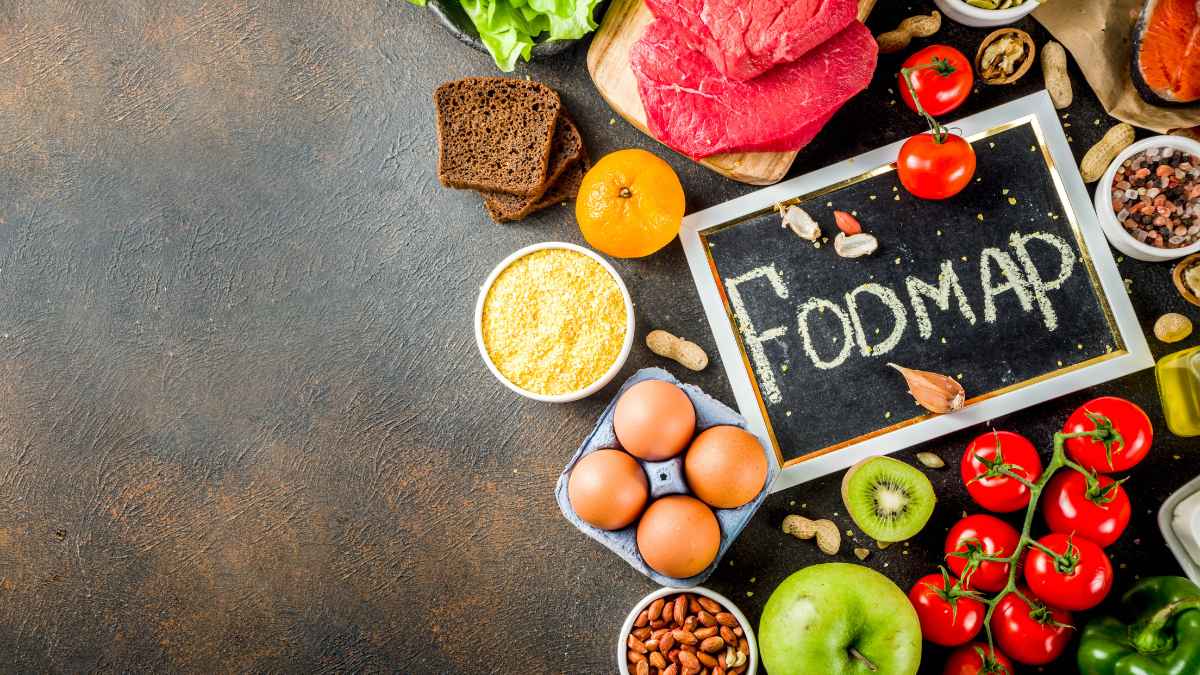

Introduction:
The low FODMAP diet has gained significant attention as an effective approach for managing symptoms associated with irritable bowel syndrome (IBS) and other gastrointestinal disorders. FODMAP stands for fermentable oligosaccharides, disaccharides, monosaccharides, and polyols—short-chain carbohydrates that can be poorly absorbed in the small intestine. This diet involves a temporary elimination of high FODMAP foods, followed by a gradual reintroduction phase to identify specific triggers. Understanding which foods to avoid is crucial for anyone looking to implement this dietary strategy successfully.
Understanding the Low FODMAP Diet: An Overview
The low FODMAP diet is designed to alleviate digestive discomfort by reducing the intake of certain carbohydrates that can lead to bloating, gas, and abdominal pain. The diet is typically divided into three phases: elimination, reintroduction, and personalization. During the elimination phase, individuals remove high FODMAP foods from their diet for a period of 4 to 6 weeks. This helps to identify whether these foods are contributing to gastrointestinal symptoms.
Research has shown that a significant proportion of individuals with IBS experience relief from symptoms when following this diet. However, it is important to approach the low FODMAP diet with caution and ideally under the guidance of a healthcare professional or dietitian. This ensures that nutritional needs are met while effectively managing symptoms.
The reintroduction phase is equally important, as it allows individuals to test their tolerance to various FODMAPs. This phase is essential for personalizing the diet, as it helps to identify which specific FODMAPs trigger symptoms. Ultimately, the goal is to create a sustainable eating plan that minimizes discomfort while allowing for a varied diet.
The low FODMAP diet is not intended to be a permanent solution. Instead, it serves as a tool for identifying food intolerances and developing a long-term dietary strategy that promotes overall well-being. Understanding the foods that are off-limits is a critical first step in this process.
Identifying High FODMAP Foods to Avoid
High FODMAP foods can be categorized into several groups, each containing specific items that should be limited or avoided. The primary categories include certain fruits, vegetables, grains, legumes, dairy products, and sweeteners. Awareness of these categories is essential for anyone embarking on a low FODMAP journey.
One of the challenges of the low FODMAP diet is that many commonly consumed foods fall into these high FODMAP categories. For example, foods rich in fructose, such as honey and high-fructose corn syrup, can lead to digestive issues. Similarly, foods containing lactose, such as milk and soft cheeses, are problematic for those with lactose intolerance.
In addition to individual foods, it is also important to consider portion sizes. Some foods may be low FODMAP in small quantities but become high FODMAP when consumed in larger amounts. Therefore, understanding both the food items and their appropriate serving sizes is critical for adhering to the diet effectively.
Lastly, it is worth noting that not all individuals will react to the same FODMAPs. Personal tolerance levels can vary widely, making it essential to approach the diet with a tailored perspective. Keeping a food diary during the elimination and reintroduction phases can help track symptoms and identify specific triggers.
Categories of Foods Prohibited on a Low FODMAP Diet
The low FODMAP diet prohibits several categories of foods that are known to be high in FODMAPs. These categories include certain fruits, vegetables, grains, legumes, dairy products, and sweeteners. Understanding these categories can help individuals make informed choices about what to include in their diet.
Fruits such as apples, pears, cherries, and watermelon are high in fructose and should be avoided during the elimination phase. Additionally, dried fruits and fruit juices can also contain concentrated amounts of FODMAPs, making them unsuitable for a low FODMAP diet.
Certain vegetables are also high in FODMAPs, particularly those containing inulin or fructans. Foods like garlic, onions, cauliflower, and asparagus should be excluded. While these vegetables are nutritious, they can exacerbate digestive symptoms for individuals sensitive to FODMAPs.
Grains and legumes are another significant category to consider. Foods like wheat, rye, and barley are high in fructans, while legumes such as lentils, chickpeas, and kidney beans are high in galacto-oligosaccharides (GOS). These foods can lead to fermentation in the gut, causing discomfort and bloating.
Specific Fruits and Vegetables to Exclude
When following a low FODMAP diet, it is essential to be aware of specific fruits and vegetables that should be excluded. As mentioned earlier, certain fruits are particularly high in fructose and can lead to digestive issues. Apples, pears, and stone fruits like plums and peaches are among the top offenders.
In addition to these fruits, many dried fruits, such as raisins and dates, should also be avoided due to their high FODMAP content. Fruit juices, especially those made from high FODMAP fruits, can be concentrated sources of fructose and should be limited or excluded entirely.
Vegetables that are high in FODMAPs include garlic and onions, which are commonly used as flavor enhancers in many dishes. Other vegetables to avoid include artichokes, asparagus, and shallots. While these vegetables are nutritious, they can be problematic for those with FODMAP sensitivities.
It is important to note that some fruits and vegetables are low in FODMAPs and can be included in the diet. For example, bananas (unripe), blueberries, strawberries, carrots, and spinach are all safe options. Including these low FODMAP choices can help maintain a balanced and varied diet while managing symptoms effectively.
Grains and Legumes: What to Avoid
Grains and legumes are significant sources of carbohydrates in many diets, but they can also be high in FODMAPs. Wheat-based products, including bread, pasta, and cereals, are particularly problematic due to their high fructan content. This means that individuals following a low FODMAP diet should avoid traditional wheat products and seek alternatives.
Rye and barley are also high in FODMAPs and should be excluded from the diet. Instead, individuals can opt for gluten-free grains such as rice, quinoa, and oats, which are generally well-tolerated. It is crucial to check labels, as many processed foods may contain hidden sources of high FODMAP ingredients.
Legumes, including beans, lentils, and chickpeas, are another category to avoid during the elimination phase. These foods contain galacto-oligosaccharides (GOS), which can lead to fermentation in the gut and exacerbate symptoms. While legumes are often considered a healthy protein source, they may not be suitable for those with FODMAP sensitivities.
However, some legumes can be tolerated in small amounts after the reintroduction phase. For example, canned lentils and chickpeas may be better tolerated due to the rinsing process that reduces their FODMAP content. It is essential to monitor individual responses and adjust accordingly.
Dairy Products and Sweeteners Not Recommended
Dairy products are a common source of discomfort for individuals with FODMAP sensitivities, primarily due to their lactose content. Many people with IBS are lactose intolerant, meaning they have difficulty digesting lactose, a type of sugar found in milk and other dairy products. As a result, milk, soft cheeses, and yogurt should be avoided during the elimination phase.
Hard cheeses, such as cheddar and Parmesan, are generally lower in lactose and may be tolerated in moderation. However, it is essential to assess individual tolerance levels during the reintroduction phase. Additionally, lactose-free dairy products can be a suitable alternative for those who wish to include dairy in their diet without experiencing symptoms.
Sweeteners can also pose a challenge on a low FODMAP diet. High FODMAP sweeteners, such as honey, agave syrup, and high-fructose corn syrup, should be avoided. Instead, individuals can opt for low FODMAP sweeteners like maple syrup or stevia, which do not contain problematic carbohydrates.
It is also important to note that sugar alcohols, such as sorbitol and mannitol, are high FODMAP and can lead to gastrointestinal distress. These sweeteners are often found in sugar-free products and should be avoided to minimize the risk of symptoms.
Conclusions:
Adhering to a low FODMAP diet requires careful consideration of the foods consumed. By understanding which foods are high in FODMAPs and should be avoided, individuals can effectively manage their gastrointestinal symptoms. This diet is not only about elimination but also about finding suitable alternatives that promote overall health and well-being. Working with a healthcare professional or dietitian can provide valuable guidance throughout this process, ensuring that nutritional needs are met while minimizing discomfort.
Read more:
- Monash University FODMAP Diet – The leading source for information on the low FODMAP diet, including food lists and research updates.
- FODMAP Friendly – A comprehensive resource for low FODMAP foods, recipes, and product certifications.
- The IBS Network – A charity providing information and support for individuals with IBS, including dietary advice.
- Harvard Health Publishing – Articles and research on the low FODMAP diet and its effects on gastrointestinal health.
- National Institute of Diabetes and Digestive and Kidney Diseases – Information on digestive diseases, including IBS and dietary management strategies.