
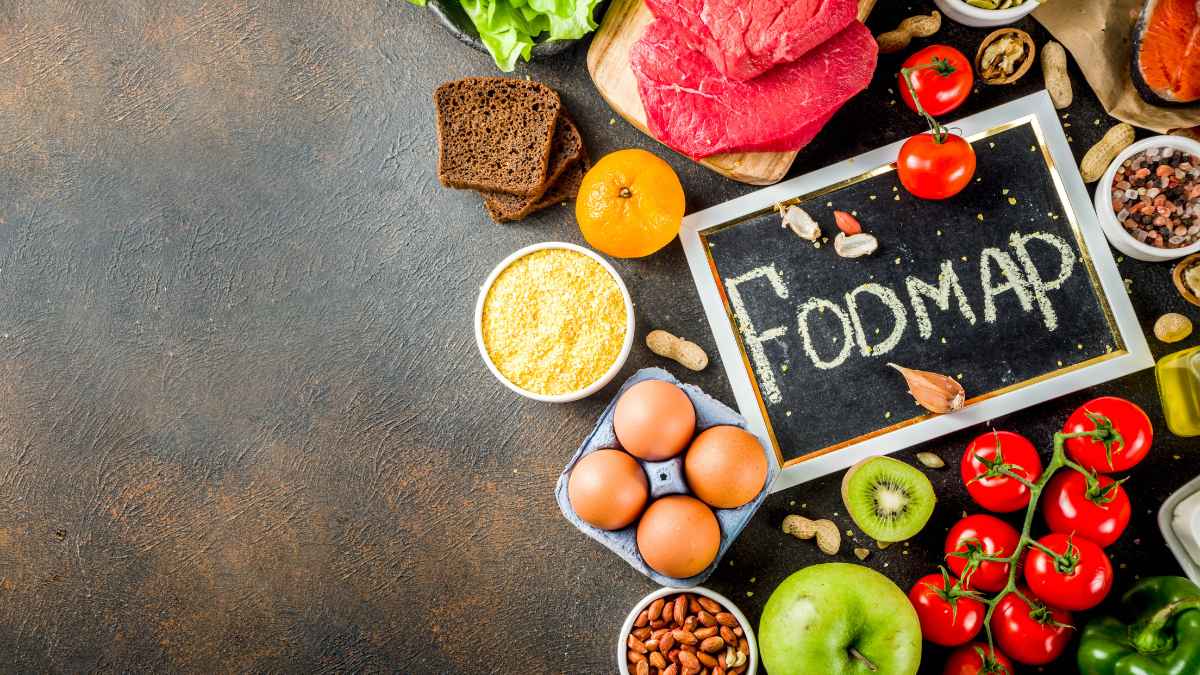

Introduction:
The Low FODMAP diet has gained significant attention in recent years, especially among individuals suffering from irritable bowel syndrome (IBS) and other digestive disorders. FODMAPs, which stands for fermentable oligosaccharides, disaccharides, monosaccharides, and polyols, are short-chain carbohydrates that can cause digestive distress in sensitive individuals. Understanding which foods are low in FODMAPs is essential for those looking to alleviate symptoms and improve their overall digestive health. This article will delve into the types of FODMAPs, the importance of low FODMAP diets, and a comprehensive list of foods that contain no FODMAP content.
Understanding FODMAPs: A Brief Overview of Their Types
FODMAPs are categorized into five main types: oligosaccharides, disaccharides, monosaccharides, sugar alcohols, and polyols. Oligosaccharides include fructans and galacto-oligosaccharides, found in foods like wheat, onions, and legumes. Disaccharides primarily refer to lactose, which is present in milk and dairy products. Monosaccharides are represented by fructose, commonly found in honey and certain fruits. Sugar alcohols, such as sorbitol and mannitol, are found in some fruits and artificial sweeteners. Lastly, polyols are sugar alcohols that can also lead to digestive issues.
The fermentation of these carbohydrates in the gut can lead to symptoms such as bloating, gas, abdominal pain, and diarrhea. Understanding the specific types of FODMAPs is crucial for individuals who want to tailor their diets to minimize discomfort. Not all FODMAPs affect everyone equally; some may tolerate certain types better than others. Therefore, a personalized approach is often necessary.
Research has shown that reducing FODMAP intake can lead to significant improvements in gastrointestinal symptoms for many individuals. This has prompted healthcare professionals to recommend low FODMAP diets as a therapeutic option for those with IBS and similar conditions. Recognizing the types of FODMAPs present in various foods is the first step toward managing symptoms effectively.
In summary, FODMAPs encompass a variety of carbohydrates that can cause digestive distress. By understanding their different types, individuals can better navigate their dietary choices and identify foods that may contribute to their symptoms. This foundational knowledge sets the stage for exploring the importance of low FODMAP diets for digestive health.
The Importance of Low FODMAP Diets for Digestive Health
The low FODMAP diet has emerged as a pivotal strategy for managing IBS and other gastrointestinal disorders. By eliminating high FODMAP foods, individuals often experience a reduction in symptoms, leading to improved quality of life. This dietary approach is not merely about restriction; it’s about understanding how different foods interact with the digestive system.
Research supports the efficacy of the low FODMAP diet, with studies indicating that up to 75% of individuals with IBS may benefit from this dietary intervention. The diet typically involves a three-phase process: elimination, reintroduction, and personalization. During the elimination phase, high FODMAP foods are removed for a specified period, allowing the gut to heal and symptoms to subside.
Once symptoms improve, the reintroduction phase begins, where individuals gradually reintroduce high FODMAP foods to identify specific triggers. This phase is crucial for personalizing the diet and ensuring that individuals can enjoy a varied and balanced diet while minimizing discomfort. Personalization is key, as it allows individuals to tailor their diets based on their unique tolerances and preferences.
In conclusion, the low FODMAP diet is an essential tool for individuals seeking to manage digestive health. By understanding the importance of this dietary approach, individuals can take proactive steps toward alleviating symptoms and enhancing their overall well-being.
Identifying Foods That Are Naturally Low in FODMAPs
Identifying foods that are naturally low in FODMAPs is essential for anyone embarking on a low FODMAP diet. Many foods are inherently low in these carbohydrates, making them suitable options for individuals looking to minimize digestive discomfort. Whole foods, such as fruits, vegetables, grains, and proteins, can often be incorporated into a low FODMAP diet without issue.
Fruits such as bananas, blueberries, and strawberries are excellent choices, as they contain low levels of fructose and other FODMAPs. Vegetables like carrots, spinach, and zucchini are also low in FODMAPs and can be consumed freely. When it comes to grains, options like rice, quinoa, and oats are generally safe, providing essential nutrients without causing digestive distress.
Proteins are another category where low FODMAP options abound. Lean meats, fish, and eggs are naturally low in FODMAPs and can be included in meals without concern. Plant-based protein sources, such as firm tofu and certain nuts like walnuts and macadamia nuts, are also low FODMAP options that can add variety to the diet.
In summary, many foods are naturally low in FODMAPs, making it easier for individuals to create balanced meals while adhering to dietary restrictions. By focusing on whole foods and understanding which options are safe, individuals can successfully navigate the challenges of a low FODMAP diet.
Comprehensive List of Foods with No FODMAP Content
Creating a comprehensive list of foods with no FODMAP content is invaluable for those following a low FODMAP diet. This list includes a variety of food categories, ensuring that individuals can maintain a balanced and nutritious diet while avoiding FODMAPs.
Fruits:
- Bananas (ripe)
- Blueberries
- Strawberries
- Oranges
- Kiwi
Vegetables:
- Carrots
- Spinach
- Zucchini
- Bell peppers
- Cucumbers
Grains:
- Rice (white, brown)
- Quinoa
- Oats (gluten-free)
- Polenta
- Cornmeal
Proteins:
- Chicken
- Fish (salmon, tuna)
- Eggs
- Firm tofu
- Pork
Dairy Alternatives:
- Lactose-free milk
- Almond milk
- Coconut milk
- Hard cheeses (cheddar, parmesan)
- Yogurt (lactose-free)
This list is not exhaustive, but it provides a solid foundation for individuals seeking to eliminate FODMAPs from their diets. It is essential to read labels and be aware of potential hidden FODMAPs in processed foods, as they can sometimes contain ingredients that trigger symptoms.
In conclusion, having a comprehensive list of foods with no FODMAP content allows individuals to make informed choices and enjoy a diverse diet while managing their digestive health. This knowledge empowers individuals to take control of their dietary decisions and enhance their overall well-being.
Nutritional Benefits of Low FODMAP Foods for Dieters
In addition to alleviating digestive symptoms, low FODMAP foods offer numerous nutritional benefits. These foods are often rich in essential vitamins and minerals, providing a well-rounded diet that supports overall health. Incorporating a variety of low FODMAP foods ensures that individuals receive adequate nutrition while managing their symptoms.
Many low FODMAP fruits and vegetables are high in antioxidants, which play a crucial role in reducing inflammation and promoting overall health. For example, blueberries and spinach are packed with vitamins A and C, as well as other beneficial compounds that support immune function and skin health. Including these foods in the diet not only aids in symptom management but also contributes to long-term health.
Low FODMAP grains, such as quinoa and rice, are excellent sources of carbohydrates and provide sustained energy throughout the day. They are also gluten-free, making them suitable for individuals with gluten sensitivities. These grains can be easily integrated into meals, providing a nutritious base for various dishes.
Furthermore, lean proteins found in low FODMAP foods are essential for muscle repair and overall bodily function. Including sources like chicken, fish, and eggs ensures that individuals meet their protein needs while adhering to dietary restrictions. This balanced approach to nutrition is vital for maintaining energy levels and supporting overall health.
In summary, low FODMAP foods not only help alleviate digestive symptoms but also offer a range of nutritional benefits. By focusing on these foods, individuals can create a balanced diet that supports their overall health and well-being.
Practical Tips for Incorporating Low FODMAP Foods Daily
Incorporating low FODMAP foods into daily meals can be straightforward with a few practical tips. Meal planning is one effective strategy that allows individuals to prepare and organize their meals in advance, ensuring they have access to low FODMAP options throughout the week. By planning meals, individuals can avoid last-minute decisions that may lead to consuming high FODMAP foods.
Shopping with a list is another useful tactic. Before heading to the grocery store, individuals should compile a list of low FODMAP foods they wish to purchase. This not only streamlines the shopping process but also helps avoid impulse buys of high FODMAP items. Reading labels is crucial, as many processed foods may contain hidden FODMAPs.
Cooking at home is an excellent way to control ingredients and ensure meals are low in FODMAPs. Experimenting with new recipes that utilize low FODMAP ingredients can make meals exciting and enjoyable. There are numerous resources available, including cookbooks and online blogs, dedicated to low FODMAP cooking.
Lastly, staying informed about FODMAPs and their sources can empower individuals to make better dietary choices. Joining support groups or online communities can provide additional resources, tips, and encouragement from others following a low FODMAP diet. This sense of community can be invaluable for those navigating dietary changes.
In conclusion, incorporating low FODMAP foods into daily life requires planning, awareness, and creativity. By employing these practical tips, individuals can successfully manage their diets while enjoying a variety of delicious and nutritious foods.
Conclusions:
Navigating the world of FODMAPs can be challenging, but understanding which foods are low in FODMAP content is essential for managing digestive health. The low FODMAP diet offers significant benefits for individuals suffering from IBS and other gastrointestinal disorders. By identifying naturally low FODMAP foods, individuals can create a balanced and nutritious diet that alleviates symptoms while promoting overall well-being.
With practical tips for daily incorporation and a comprehensive list of safe foods, individuals can take control of their dietary choices and enhance their quality of life. As more research emerges, the low FODMAP diet continues to be a vital tool for those seeking relief from digestive discomfort.
Read more:
- Monash University FODMAP Diet – A comprehensive resource on FODMAPs, including food lists and research updates.
- The Low FODMAP Diet: A Guide – An informative overview of the low FODMAP diet, its benefits, and practical tips.
- FODMAP Friendly – A certification program for low FODMAP foods and products, providing a searchable database.
- IBS Diets: Low FODMAP – A scientific article discussing the effectiveness of the low FODMAP diet for IBS management.
- The FODMAP Friendly Cookbook – A cookbook featuring low FODMAP recipes to help individuals enjoy diverse meals while adhering to dietary restrictions.