

Introduction:
Fasting has gained significant attention in recent years, both for its potential health benefits and its role in various dietary practices. As individuals explore different fasting methods, a common question arises: what foods are appropriate to consume when breaking a fast? Among these, eggs often emerge as a popular choice. This article aims to dissect the implications of consuming eggs after a fasting period, examining their nutritional profile, physiological effects, and how they compare to other foods.
Understanding Fasting: Definitions and Types Explained
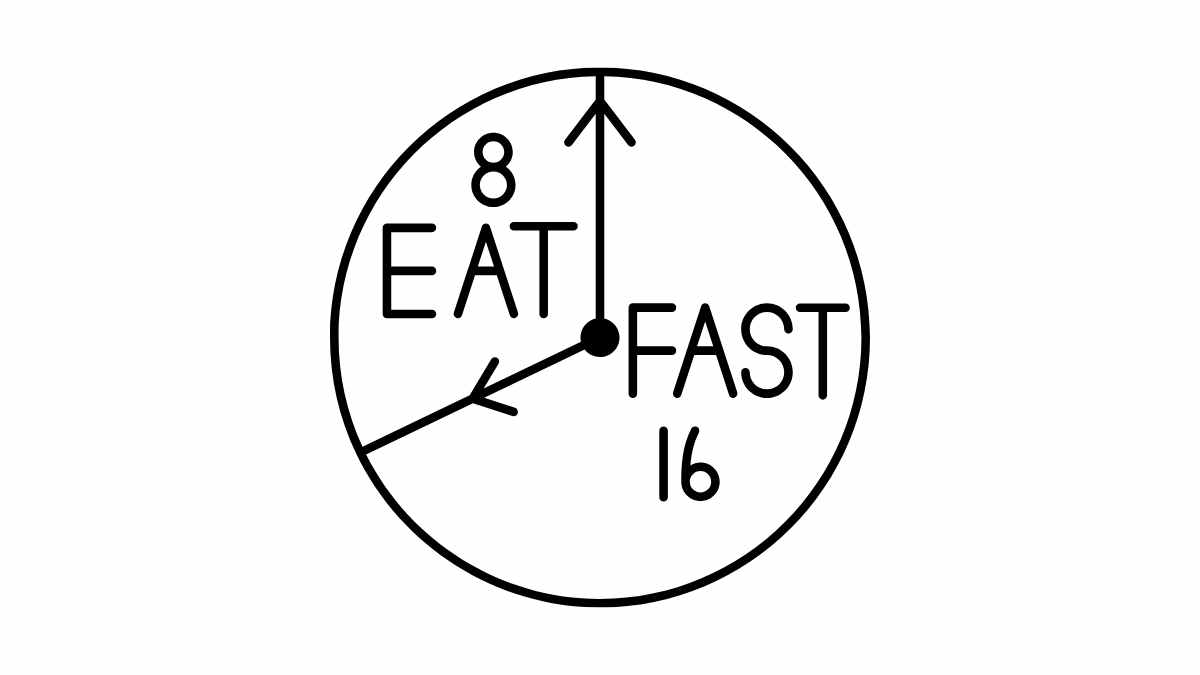
Fasting is generally defined as the voluntary abstention from food and drink for a specified period. It can be categorized into several types, including intermittent fasting, prolonged fasting, and religious fasting. Intermittent fasting, for instance, involves cycling between periods of eating and fasting, often following patterns such as the 16/8 method, where one fasts for 16 hours and eats within an 8-hour window. Prolonged fasting, on the other hand, lasts for more than 24 hours and is often undertaken for detoxification or therapeutic purposes.
The motivations behind fasting can vary widely, ranging from weight loss and metabolic health to spiritual or religious reasons. Understanding the type of fasting being practiced is crucial when considering what foods to consume upon breaking the fast. Each method may have different implications for how the body reacts to various foods, including eggs.
Moreover, the physiological state of the body during fasting can influence the choice of foods. During fasting, the body undergoes metabolic adaptations, shifting from glucose to fat as a primary energy source. This metabolic shift can affect how one reacts to different macronutrients when reintroducing food. Therefore, the timing and type of food consumed post-fast are critical for optimizing health outcomes.
In summary, recognizing the definitions and types of fasting provides a foundational understanding of how to approach breaking a fast. This knowledge is essential for making informed decisions about food choices, including the consumption of eggs.
Nutritional Composition of Eggs: A Detailed Analysis
Eggs are often lauded as a nutritional powerhouse, containing a unique blend of macronutrients and micronutrients. A large egg typically contains about 6 grams of protein, 5 grams of fat, and less than 1 gram of carbohydrates. The protein in eggs is of high biological value, meaning it contains all essential amino acids necessary for human health. This makes eggs an excellent choice for muscle repair and growth, particularly after fasting.
In addition to macronutrients, eggs are rich in vitamins and minerals. They provide significant amounts of vitamin B12, riboflavin, and selenium, along with smaller amounts of vitamins A, D, E, and K. Egg yolks are particularly nutrient-dense, containing most of the vitamins and minerals found in eggs, as well as healthy fats. This nutrient density makes eggs a suitable option for replenishing the body after a fasting period, where nutrient intake may have been limited.
Furthermore, eggs contain choline, a nutrient vital for brain health and function. Choline is essential for neurotransmitter synthesis, which can be particularly beneficial after fasting, as cognitive function may be temporarily impaired during prolonged periods without food. In essence, the nutritional composition of eggs supports recovery and replenishment, making them a compelling option for breaking a fast.
Lastly, the versatility of eggs allows for various preparation methods, from boiling to scrambling, which can cater to individual preferences and dietary restrictions. This adaptability further enhances their appeal as a fast-breaking food.
The Physiological Effects of Breaking a Fast with Eggs
When breaking a fast, the body’s response to food intake can be significantly influenced by the type of food consumed. Eggs, with their balanced macronutrient profile, can help stabilize blood sugar levels and provide sustained energy. The protein content in eggs promotes satiety, helping to prevent overeating after a fasting period, which is a common concern for many individuals.
Additionally, the fats in eggs can aid in the absorption of fat-soluble vitamins, further enhancing nutrient uptake. This is particularly important after fasting, as the body may be in a state of nutrient deficiency. The presence of healthy fats can also slow down gastric emptying, allowing for a more gradual release of energy and preventing spikes in blood sugar levels.
Moreover, consuming eggs post-fast can help mitigate the potential negative effects of refeeding syndrome, a condition that can occur when food is reintroduced too quickly after prolonged fasting. The balanced nutrient profile of eggs supports a more gradual reintroduction of food, reducing the risk of complications associated with rapid dietary changes.
In conclusion, breaking a fast with eggs can have several positive physiological effects, including improved satiety, enhanced nutrient absorption, and a lower risk of refeeding syndrome. These benefits make eggs a favorable option for those looking to optimize their post-fasting nutrition.
Comparing Eggs to Other Common Fast-Breaking Foods
When considering what foods to consume after fasting, it is essential to compare options based on their nutritional profiles and physiological impacts. Common choices include fruits, smoothies, nuts, and yogurt, each with its own set of advantages and disadvantages. While fruits provide quick energy and hydration, they may lack the protein necessary for muscle recovery, making them less ideal for post-fasting consumption.
Smoothies can be nutrient-dense, but they often contain added sugars or high-calorie ingredients that can lead to rapid blood sugar spikes. In contrast, eggs provide a stable source of protein and healthy fats without the risk of excessive sugar intake. This stability is crucial for individuals seeking to maintain energy levels and avoid post-meal crashes.
Nuts are another popular choice, offering healthy fats and protein. However, they are calorie-dense, which may not be suitable for everyone, especially those looking to manage their caloric intake. Eggs, on the other hand, offer a more controlled portion size while still delivering essential nutrients, making them a more balanced option for breaking a fast.
Yogurt, particularly Greek yogurt, is also rich in protein and probiotics, which can aid digestion. However, it may not provide the same level of satiety as eggs. Ultimately, the choice of food to break a fast should consider individual dietary needs and goals, with eggs emerging as a strong contender due to their comprehensive nutritional benefits.
Research Insights: Eggs and Metabolic Responses Post-Fast
Recent studies have explored the metabolic responses associated with breaking a fast with various foods, including eggs. Research indicates that protein-rich foods, such as eggs, can stimulate muscle protein synthesis more effectively than carbohydrate-rich options. This is particularly beneficial for individuals engaging in physical activity, as it supports recovery and muscle repair after fasting.
Moreover, studies have shown that consuming eggs post-fast can lead to improved satiety and reduced overall caloric intake during subsequent meals. This is attributed to the high protein and fat content, which can help regulate hunger hormones and promote a feeling of fullness. This effect can be particularly advantageous for those aiming to manage their weight or improve their dietary habits.
Additionally, some research suggests that the consumption of eggs may positively influence metabolic markers, such as insulin sensitivity and lipid profiles. These factors are crucial for overall metabolic health, especially after periods of fasting when the body may be more sensitive to dietary changes.
In summary, emerging research supports the idea that breaking a fast with eggs may enhance muscle recovery, promote satiety, and positively impact metabolic health. These insights further solidify the role of eggs as a beneficial food choice for those looking to optimize their post-fasting nutrition.
Practical Guidelines for Incorporating Eggs in Fasting Plans
Incorporating eggs into a fasting plan can be straightforward and beneficial, but some practical guidelines can enhance their effectiveness. First, consider the timing of egg consumption. Breaking a fast with eggs should ideally occur within the first meal, as this allows the body to efficiently utilize the nutrients for recovery and energy replenishment.
Next, preparation methods can significantly influence the nutritional value of eggs. Opting for cooking methods that require minimal added fats, such as boiling or poaching, can help maintain their health benefits while keeping calorie counts in check. Conversely, frying eggs in excessive oil or butter can negate some of their advantages.
Portion control is also essential. While eggs are nutrient-dense, moderation is key to preventing excessive caloric intake. A typical recommendation is to start with one or two eggs, allowing the body to adjust before consuming more. This approach can help gauge individual responses to post-fasting meals.
Lastly, pairing eggs with other nutrient-dense foods can enhance their benefits. For instance, combining eggs with vegetables or whole grains can provide a well-rounded meal that supports sustained energy levels and overall health. This balanced approach ensures that individuals receive a variety of nutrients, optimizing the post-fasting recovery process.
Conclusions:
In conclusion, breaking a fast with eggs can be a highly beneficial choice, given their rich nutritional composition and positive physiological effects. They provide a balanced source of protein, healthy fats, and essential vitamins and minerals, making them an ideal option for replenishing the body after fasting. When compared to other common fast-breaking foods, eggs stand out for their ability to promote satiety and support metabolic health. By following practical guidelines for incorporating eggs into fasting plans, individuals can maximize their health benefits and optimize their post-fasting nutrition.
Read more
- Healthline – Intermittent Fasting: A Comprehensive Guide – An in-depth resource on various intermittent fasting methods and their benefits.
- NutritionData – Egg Nutrition Facts – A detailed breakdown of the nutritional composition of eggs.
- Journal of Nutrition – Protein and Satiety – Research on the role of protein in promoting satiety and its implications for weight management.
- Harvard Health – The Health Benefits of Eggs – Insights into the health benefits of eggs and their role in a balanced diet.
- American Journal of Clinical Nutrition – Eggs and Metabolic Health – A study examining the effects of egg consumption on metabolic markers and health outcomes.