


Introduction:
Intermittent fasting (IF) has gained significant attention in recent years as a potential method for weight management and metabolic health. A key question surrounding this dietary approach is the timing of fat oxidation during fasting periods. Understanding when and how the body transitions from burning glucose to utilizing fat can provide insights into the effectiveness of intermittent fasting for weight loss and overall health. This article delves into the mechanisms of fat oxidation during fasting, the role of insulin, the timeframe for fat burning, physiological changes, influencing factors, and the implications for weight management strategies.
Understanding the Mechanisms of Fat Oxidation in Fasting
Fat oxidation, or the process by which the body breaks down fat stores for energy, is a complex metabolic pathway influenced by various factors. During fasting, the body undergoes several biochemical changes that facilitate the mobilization of fat reserves. Initially, glycogen stores in the liver and muscles are utilized for energy. As these stores deplete, the body begins to rely more heavily on fat as a fuel source. This transition is crucial for maintaining energy levels during prolonged periods without food intake.
The process of fat oxidation involves the breakdown of triglycerides into free fatty acids and glycerol, which are then transported to the mitochondria of cells for energy production. This metabolic shift is primarily driven by hormonal changes, particularly the decrease in insulin levels and the increase in glucagon, which promotes lipolysis—the breakdown of fat stores. Additionally, the availability of oxygen plays a vital role in the efficiency of fat oxidation, as it is required for the complete breakdown of fatty acids.
Moreover, the duration of fasting can influence the extent of fat oxidation. Shorter fasting periods may not allow for a significant depletion of glycogen stores, while longer fasting durations encourage the body to adapt by enhancing its fat-burning capabilities. This adaptation is particularly relevant for individuals practicing intermittent fasting, as the timing and duration of fasting windows can vary widely.
Understanding these mechanisms is essential for individuals looking to optimize their fat-burning potential during intermittent fasting. By recognizing how the body shifts its energy sources, one can better tailor their fasting protocols to achieve desired weight loss or metabolic health outcomes.
The Role of Insulin Levels in Fat Metabolism During Fasting
Insulin is a key hormone in regulating energy metabolism, particularly in the context of carbohydrate intake. When food is consumed, insulin levels rise, facilitating the uptake of glucose by cells for immediate energy use. However, elevated insulin levels can inhibit fat oxidation, as the body prioritizes glucose metabolism over fat utilization. This is a critical factor in understanding when the body begins to burn fat during intermittent fasting.
During fasting, insulin levels drop significantly, leading to a state known as insulin sensitivity. This decline in insulin allows for the mobilization of stored fat, as the body shifts its focus from glucose to fatty acids as the primary energy source. Studies have shown that fasting can lead to a substantial reduction in insulin levels, which can occur within a few hours after the last meal. This decrease is essential for initiating the process of lipolysis and enhancing fat oxidation.
The timing of insulin’s decline is influenced by several factors, including the composition of the last meal consumed and individual metabolic responses. For instance, meals high in carbohydrates can lead to a more pronounced insulin response, potentially delaying the onset of fat burning during fasting. Conversely, meals rich in healthy fats and proteins may result in a more gradual increase in insulin, allowing for a quicker transition to fat oxidation.
Understanding the role of insulin in fat metabolism during fasting is crucial for individuals seeking to maximize their fat-burning potential. By managing dietary choices prior to fasting periods, one can influence insulin levels and, consequently, the timing of fat oxidation.
Identifying the Timeframe for Fat Burning in Intermittent Fasting
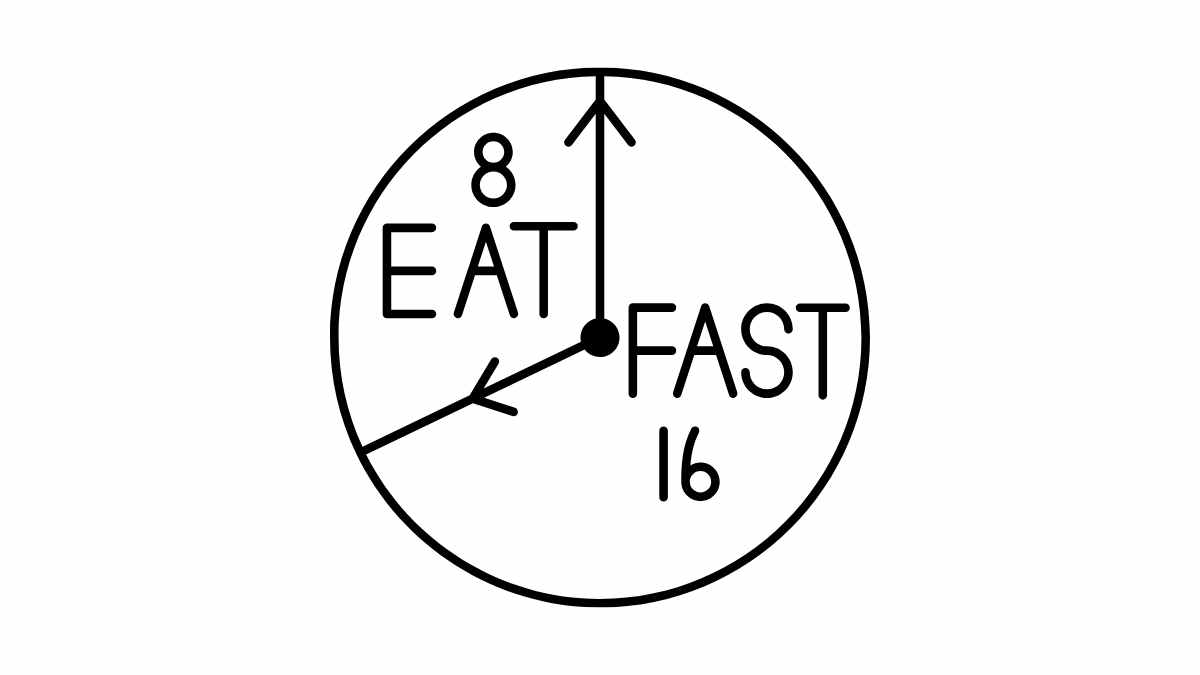
The timeframe for fat burning during intermittent fasting can vary based on several factors, including the length of the fasting period, individual metabolic rates, and dietary habits. Generally, the body begins to shift towards fat oxidation after approximately 12 to 16 hours of fasting. This timeframe allows for the depletion of glycogen stores and a significant drop in insulin levels, creating an optimal environment for fat utilization.
Research indicates that during the first few hours of fasting, the body primarily relies on glycogen for energy. However, as glycogen stores become depleted, the body gradually increases its reliance on fat stores. This transition is often marked by a rise in ketone bodies, which are produced from fatty acids and serve as an alternative energy source for the brain and other tissues. The production of ketones typically begins around the 12 to 16-hour mark, further indicating the shift towards fat oxidation.
Individual variations in metabolic rates and body composition can also influence the timeframe for fat burning. For example, individuals with higher muscle mass may experience a faster transition to fat oxidation due to their increased metabolic demands. Additionally, factors such as age, sex, and overall health can impact how quickly the body adapts to fasting and begins to utilize fat stores.
For those practicing intermittent fasting, understanding this timeframe can help in setting realistic expectations for weight loss and metabolic benefits. By adhering to longer fasting windows, individuals may enhance their fat-burning potential and achieve their health goals more effectively.
Physiological Changes: Transitioning from Glucose to Fat
The transition from glucose to fat as the primary energy source during fasting involves several physiological changes that are essential for optimizing fat oxidation. One of the most significant changes is the reduction in insulin levels, which not only promotes lipolysis but also enhances the uptake of free fatty acids by cells. This process is crucial for maintaining energy levels during fasting and ensuring that the body can efficiently utilize its fat stores.
As fasting progresses, the liver plays a pivotal role in the conversion of fatty acids into ketone bodies, which serve as an alternative energy source for the brain and other tissues. This metabolic shift is particularly important during prolonged fasting, as it allows the body to maintain cognitive function and physical performance even in the absence of food. The production of ketones typically increases after 12 to 16 hours of fasting, marking a significant transition in energy metabolism.
Additionally, fasting induces changes in gene expression that promote fat oxidation and enhance mitochondrial biogenesis—the process by which new mitochondria are formed within cells. This adaptation not only improves the body’s ability to burn fat but also enhances overall metabolic efficiency. Over time, individuals who practice intermittent fasting may experience improved fat oxidation rates, leading to better weight management and metabolic health.
Understanding these physiological changes is essential for individuals looking to maximize the benefits of intermittent fasting. By recognizing how the body adapts to fasting, one can better tailor their fasting protocols to enhance fat oxidation and achieve desired health outcomes.
Factors Influencing Fat Utilization During Fasting Protocols
Several factors can influence the efficiency of fat utilization during intermittent fasting protocols. One of the most significant factors is the composition of the meals consumed prior to fasting. Diets high in carbohydrates can lead to elevated insulin levels, which may inhibit fat oxidation and delay the transition to fat burning. In contrast, diets rich in healthy fats and proteins can promote a quicker shift towards fat utilization by minimizing insulin spikes.
Another critical factor is individual variability in metabolism. Factors such as age, sex, body composition, and hormonal status can all influence how quickly and efficiently the body transitions to fat oxidation during fasting. For instance, younger individuals or those with higher muscle mass may experience a faster metabolic shift compared to older adults or those with lower muscle mass.
Physical activity levels also play a role in fat utilization during fasting. Engaging in regular exercise can enhance the body’s ability to burn fat by increasing mitochondrial density and improving insulin sensitivity. Moreover, exercising in a fasted state may further accelerate fat oxidation, as the body is more likely to rely on fat stores for energy when glycogen levels are low.
Lastly, hydration status can impact fat metabolism during fasting. Adequate hydration is essential for optimal metabolic function, and dehydration can impair the body’s ability to utilize fat efficiently. Therefore, maintaining proper hydration during fasting periods is crucial for maximizing fat oxidation and overall health.
Implications of Fat Burning for Weight Management Strategies
The ability to effectively burn fat during intermittent fasting has significant implications for weight management strategies. For individuals seeking to lose weight, enhancing fat oxidation can lead to a more efficient use of energy stores and a reduction in body fat percentage. Intermittent fasting, when combined with a balanced diet and regular physical activity, can create a powerful synergy for achieving weight loss goals.
Moreover, the metabolic adaptations that occur during fasting can lead to improved insulin sensitivity and better blood sugar regulation. These changes are particularly beneficial for individuals with insulin resistance or metabolic syndrome, as they can help mitigate the risk of chronic diseases associated with obesity and poor metabolic health.
Additionally, the psychological benefits of intermittent fasting should not be overlooked. Many individuals report feeling more in control of their eating habits and experiencing reduced cravings when following a structured fasting protocol. This improved relationship with food can contribute to long-term weight management success, as individuals are less likely to engage in binge eating or unhealthy snacking.
Incorporating intermittent fasting into a comprehensive weight management strategy can provide individuals with the tools they need to achieve sustainable results. By understanding the mechanisms of fat burning and the factors that influence it, individuals can tailor their fasting practices to optimize their health and well-being.
Conclusions:
In summary, the timing and mechanisms of fat burning during intermittent fasting are influenced by a variety of factors, including insulin levels, meal composition, and individual metabolic responses. Understanding these dynamics can help individuals maximize the benefits of intermittent fasting for weight management and metabolic health. By recognizing the physiological changes that occur during fasting and the implications for fat utilization, individuals can develop effective strategies to achieve their health goals.
Read more:
- Healthline – Intermittent Fasting 101 – A comprehensive guide to intermittent fasting, including its benefits and mechanisms.
- PubMed Central – The Effects of Intermittent Fasting on Health, Aging, and Disease – An in-depth review of the health effects of intermittent fasting, including metabolic changes.
- The Journal of Clinical Endocrinology & Metabolism – Insulin and Fat Metabolism – A study exploring the relationship between insulin levels and fat metabolism.
- Nutrition Reviews – The Role of Ketones in Metabolism – An article discussing the role of ketones in energy metabolism during fasting.
- American Journal of Clinical Nutrition – Intermittent Fasting and Weight Loss – A research article analyzing the effects of intermittent fasting on weight loss and metabolic health.


