

Se hai un abbonamento attivo ACCEDI QUI
Introduction:
Intermittent fasting has gained popularity as a flexible and effective approach to weight management and overall health. This eating pattern alternates between periods of eating and fasting, allowing individuals to tailor their food intake to their lifestyle. However, questions often arise regarding what foods are suitable during the eating windows, particularly concerning fruits like bananas. This article delves into the compatibility of bananas with intermittent fasting, exploring their nutritional profile, the role of carbohydrates, timing considerations, and practical tips for incorporating them into your diet.
Understanding Intermittent Fasting: A Brief Overview
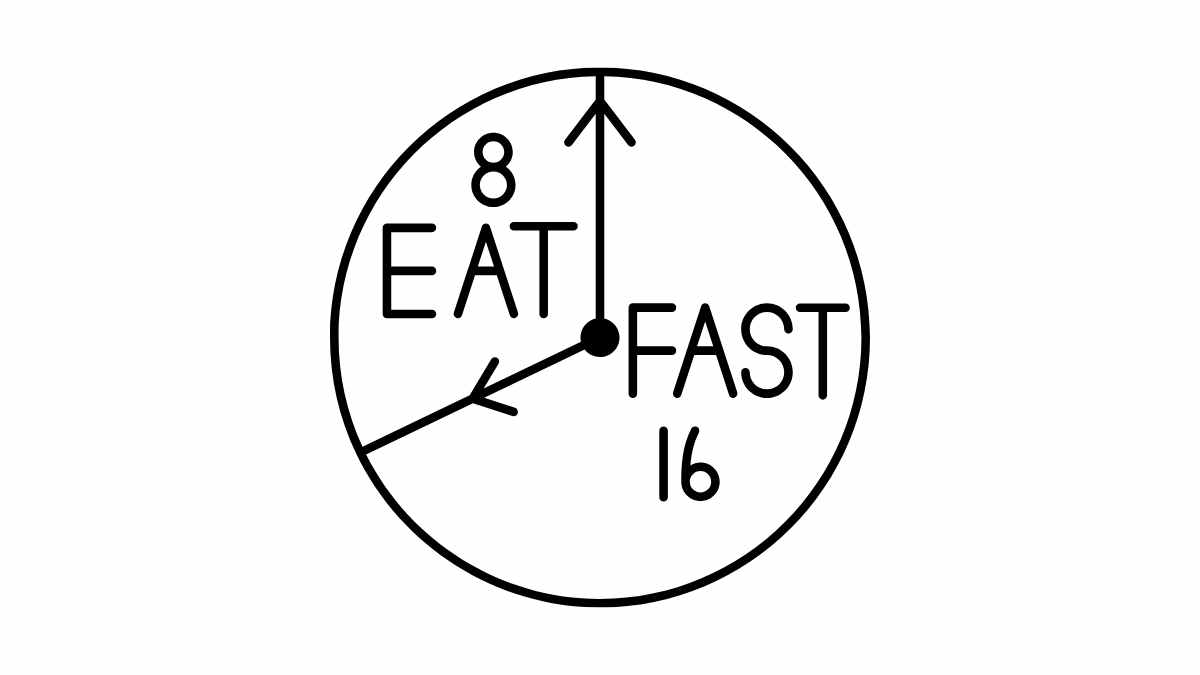
Intermittent fasting (IF) is not a diet in the conventional sense but rather an eating pattern that cycles between periods of fasting and eating. There are various methods, such as the 16/8 method, where individuals fast for 16 hours and eat within an 8-hour window, or the 5:2 method, which allows for normal eating five days a week and restricts calorie intake on two non-consecutive days. The primary goal of IF is to promote metabolic health, enhance fat loss, and improve insulin sensitivity.
One of the appealing aspects of intermittent fasting is its flexibility. Unlike traditional diets that impose strict food restrictions, IF allows individuals to choose what they eat during their eating windows. This freedom can lead to a more sustainable lifestyle change, as it encourages mindful eating rather than deprivation. However, the quality of food consumed during eating periods is crucial for maximizing the benefits of fasting.
Research has shown that intermittent fasting can lead to several health benefits, including weight loss, improved heart health, and enhanced brain function. These benefits stem from the hormonal changes that occur during fasting, such as increased growth hormone levels and improved insulin sensitivity. Understanding these physiological changes can help individuals make informed decisions about their food choices during eating windows.
Despite the benefits, intermittent fasting may not be suitable for everyone. Individuals with certain medical conditions, pregnant or breastfeeding women, and those with a history of eating disorders should consult healthcare professionals before starting an intermittent fasting regimen. As with any dietary approach, it is essential to listen to your body and adjust accordingly.
Nutritional Profile of Bananas: Key Components Explained
Bananas are a popular fruit known for their sweet taste and convenience. They are rich in several essential nutrients, making them a valuable addition to many diets. A medium-sized banana contains approximately 105 calories, 27 grams of carbohydrates, and 3 grams of dietary fiber. Additionally, bananas are an excellent source of potassium, vitamin C, vitamin B6, and various antioxidants.
The high carbohydrate content in bananas primarily comes from natural sugars, including glucose, fructose, and sucrose. These sugars provide a quick source of energy, making bananas an ideal snack for athletes or those needing a rapid energy boost. The fiber content in bananas also aids digestion and promotes a feeling of fullness, which can be beneficial during eating windows.
Potassium is a vital mineral that plays a crucial role in maintaining heart health and regulating blood pressure. The presence of vitamin C supports the immune system, while vitamin B6 is essential for brain health and the production of neurotransmitters. The antioxidants found in bananas, such as dopamine and catechins, contribute to overall health by combating oxidative stress.
While bananas are nutritious, their high carbohydrate content can raise questions about their suitability during intermittent fasting. Understanding how these components interact with the fasting process is essential for making informed dietary choices.
The Role of Carbohydrates in Intermittent Fasting
Carbohydrates are often viewed with skepticism in various dietary approaches, particularly for those focused on weight loss. However, during intermittent fasting, the role of carbohydrates can be nuanced. When consumed during eating periods, carbohydrates serve as a primary energy source, replenishing glycogen stores and providing fuel for physical activity.
The timing of carbohydrate intake is vital in the context of intermittent fasting. Consuming carbohydrates, especially complex ones, during the eating window can help stabilize blood sugar levels and prevent energy crashes. Bananas, being a source of simple carbohydrates, can provide a quick energy boost, making them suitable for consumption after a workout or during active periods of the day.
However, it is essential to consider the overall macronutrient balance during eating windows. While carbohydrates are important, they should be complemented with protein and healthy fats to ensure a well-rounded diet. This balance can help maintain satiety and support muscle recovery, especially for those engaging in regular exercise.
For individuals following a low-carb or ketogenic approach, the high carbohydrate content in bananas may not align with their dietary goals. In such cases, it may be beneficial to opt for lower-carb fruits or to limit banana consumption to specific occasions, ensuring that it fits within the overall carbohydrate allowance.
Timing and Frequency: When to Eat During Fasting
The timing of food consumption during intermittent fasting is crucial for maximizing its benefits. Most intermittent fasting protocols allow for a specific eating window, typically ranging from 4 to 8 hours. During this period, individuals can consume their meals and snacks, including fruits like bananas.
For those who engage in physical activity, timing banana consumption around workouts can enhance performance and recovery. Eating a banana before a workout can provide a readily available source of energy, while consuming one afterward can aid in replenishing glycogen stores. This strategic timing can help optimize workout results and support overall fitness goals.
Moreover, the frequency of banana consumption during eating windows should be considered. While bananas are nutritious, moderation is key. Including a variety of fruits and vegetables in the diet ensures a broader range of nutrients and prevents over-reliance on a single food source. This diversity can also enhance overall dietary satisfaction and enjoyment.
Ultimately, the decision to include bananas in your intermittent fasting regimen should align with your personal health goals, activity levels, and dietary preferences. Being mindful of when and how often you consume bananas can help you reap their benefits while adhering to the principles of intermittent fasting.
Potential Benefits and Drawbacks of Eating Bananas
Incorporating bananas into an intermittent fasting diet offers several benefits. Their nutritional richness provides essential vitamins and minerals, supporting overall health. The fiber content can promote digestive health and help maintain feelings of fullness, which can be advantageous during eating windows.
Additionally, bananas are convenient and portable, making them an excellent snack option for those with busy lifestyles. They can be easily added to smoothies, oatmeal, or yogurt, enhancing the nutritional profile of meals. Their natural sweetness can also satisfy cravings for sugary snacks, potentially reducing the likelihood of unhealthy choices.
However, there are potential drawbacks to consider. The high carbohydrate content in bananas may not align with the goals of individuals following low-carb or ketogenic diets. Consuming too many bananas can lead to excessive carbohydrate intake, which may hinder weight loss efforts for some individuals.
Furthermore, some people may experience digestive discomfort from consuming bananas, particularly if they are sensitive to fructose or have specific gastrointestinal conditions. It’s essential to listen to your body and adjust your intake accordingly, ensuring that your dietary choices support your overall health and well-being.
Practical Tips for Incorporating Bananas in Your Diet
To effectively incorporate bananas into your intermittent fasting regimen, consider the following practical tips. First, pair bananas with protein or healthy fats to create a balanced snack. For example, combining banana slices with nut butter or yogurt can enhance satiety and provide a more rounded nutritional profile.
Second, consider the timing of your banana consumption. If you engage in regular physical activity, consuming a banana before or after workouts can provide the necessary energy boost and aid in recovery. This strategic timing can help you maximize the benefits of both your workouts and your dietary choices.
Third, experiment with different ways to enjoy bananas. They can be added to smoothies, oatmeal, or baked goods, providing versatility in your meals. Additionally, frozen bananas can be blended into a creamy, ice-cream-like treat, offering a healthier dessert option.
Lastly, practice moderation. While bananas are nutritious, it’s essential to consume them as part of a varied diet that includes a wide range of fruits and vegetables. This diversity can help ensure that you receive all the necessary nutrients while keeping your meals interesting and enjoyable.
Conclusions:
In summary, eating a banana during intermittent fasting can be compatible with this eating pattern, provided it aligns with your personal health goals and dietary preferences. Understanding the nutritional profile of bananas, the role of carbohydrates, and the timing of consumption can help you make informed decisions. By incorporating bananas mindfully into your diet, you can enjoy their benefits while adhering to the principles of intermittent fasting.
Read more
- Intermittent Fasting: A Comprehensive Guide – An in-depth overview of intermittent fasting, its benefits, and methods.
- Nutritional Benefits of Bananas – A scientific article discussing the health benefits and nutritional components of bananas.
- Understanding Carbohydrates in Diet – A detailed explanation of carbohydrates, their role in the diet, and their impact on health.
- The Role of Timing in Nutrition – Research on how meal timing can influence health and weight management.
- Healthy Eating: How to Incorporate Fruits – Guidelines on incorporating fruits into a balanced diet for optimal health.