

Introduction:
Fasting has gained significant popularity in recent years, especially with the rise of various dietary trends and health-conscious lifestyles. However, a common question arises: does drinking water break a fast? Understanding the nuances of fasting, the physiological role of water, and the implications of hydration during fasting periods is crucial for anyone considering this practice. This article delves into the definitions and types of fasting, the role of water in human physiology, guidelines for intermittent fasting, and the scientific perspectives on hydration during fasting.
Understanding Fasting: Definitions and Types Explained
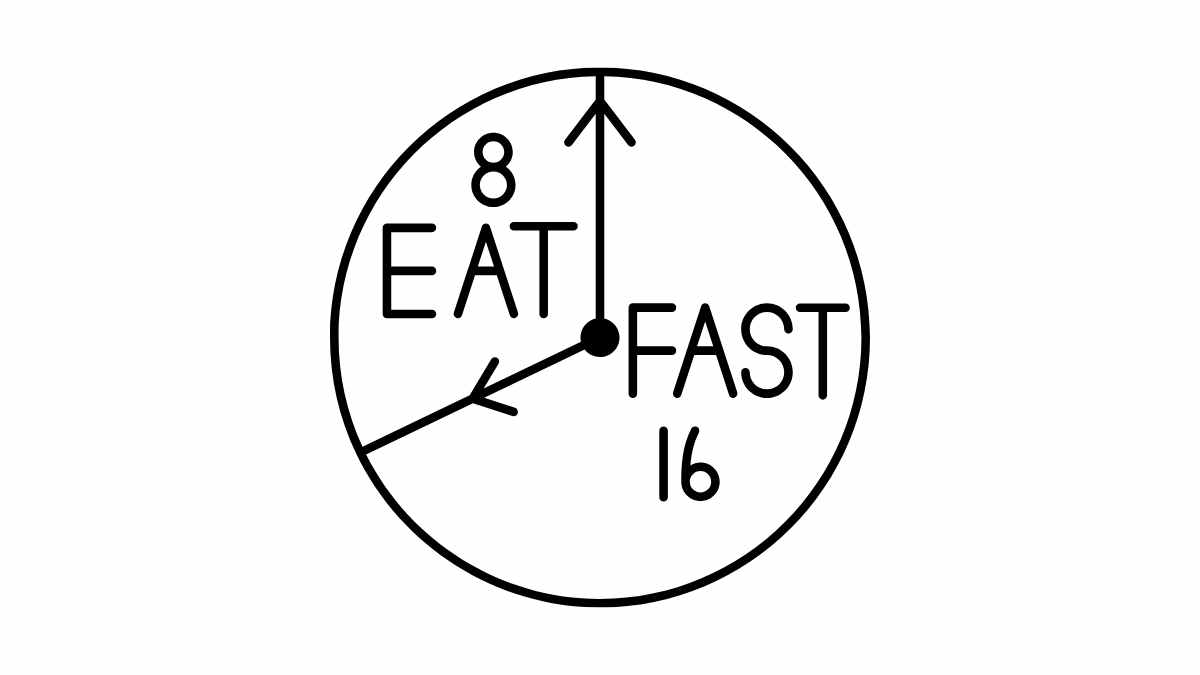
Fasting can be defined as the voluntary abstention from all or some food and drink for a specified period. There are various types of fasting, including absolute fasting, where no food or drink is consumed, and partial fasting, which allows certain food items or beverages. Intermittent fasting, a popular method, involves cycling between periods of eating and fasting, often with specific time windows, such as the 16/8 method where one fasts for 16 hours and eats during an 8-hour window.
Another form is water fasting, which permits only the consumption of water. This type of fasting is often used for detoxification purposes or as a short-term weight loss strategy. Religious fasting is another category, where individuals abstain from food and drink for spiritual reasons, often observed during specific religious observances. Understanding these various forms is essential to determine the role of water during fasting.
The physiological effects of fasting can vary depending on the type and duration. For instance, short-term fasting may lead to increased fat oxidation and improved metabolic flexibility, while prolonged fasting can trigger autophagy, a cellular repair process. Each type of fasting has its own implications for health, weight management, and metabolic processes, making it essential to understand the context in which water consumption is being evaluated.
Ultimately, the definition of fasting can be subjective, influenced by individual goals, health conditions, and cultural practices. This variability raises the question of whether water consumption aligns with the principles of fasting and how it may affect the intended outcomes of the fasting period.
The Role of Water in Human Physiology and Metabolism
Water is an essential component of human physiology, constituting approximately 60% of the body weight in adults. It plays a critical role in maintaining homeostasis, regulating body temperature, and facilitating metabolic processes. Hydration is vital for various bodily functions, including digestion, nutrient absorption, and waste elimination. During fasting, the body’s need for water remains constant, as dehydration can lead to adverse health effects.
In terms of metabolism, water aids in the enzymatic reactions necessary for breaking down nutrients. It also supports the transport of nutrients and oxygen to cells while removing waste products. Adequate hydration is crucial for optimal metabolic function, particularly during fasting when the body relies on stored energy reserves. Insufficient water intake can impair these processes, potentially leading to fatigue, dizziness, and other health issues.
Furthermore, water consumption can influence hunger signals. Drinking water may help alleviate feelings of hunger temporarily, as it fills the stomach and can promote a sense of satiety. This aspect can be particularly beneficial for individuals practicing intermittent fasting, as it may assist in managing cravings during fasting periods.
In summary, water is indispensable for maintaining physiological balance and supporting metabolic processes. Its role during fasting cannot be overlooked, as proper hydration is essential for overall health and well-being, regardless of the fasting method employed.
Intermittent Fasting: Guidelines and Common Practices
Intermittent fasting has become a widely adopted approach for weight management and health improvement. Common practices include the 16/8 method, where individuals fast for 16 hours and eat during an 8-hour window, and the 5:2 diet, which involves eating normally for five days and restricting calorie intake to about 500-600 calories for two days. These methods promote metabolic flexibility and can lead to weight loss and improved metabolic health.
When it comes to hydration, most intermittent fasting protocols do not restrict water intake. In fact, many practitioners encourage drinking water, herbal teas, or black coffee during fasting periods. Hydration is often viewed as a supportive element of fasting, helping to curb hunger and maintain energy levels. However, some individuals may choose to avoid any caloric intake, including flavored waters or beverages that might contain minimal calories.
It is essential to listen to one’s body during fasting. While water is generally considered acceptable, individuals may need to adjust their hydration strategies based on personal tolerance and health status. For example, those with specific medical conditions or on certain medications should consult healthcare professionals to determine the best approach to fasting and hydration.
Moreover, the psychological aspect of fasting should not be overlooked. For many, the act of drinking water can serve as a reminder of the fasting commitment, reinforcing the discipline required to adhere to the chosen fasting regimen. This mental component can be just as important as the physical, influencing overall success in achieving fasting goals.
Hydration During Fasting: Benefits and Considerations
Maintaining proper hydration during fasting offers numerous benefits. Firstly, it helps to prevent dehydration, which can lead to headaches, fatigue, and impaired cognitive function. Staying hydrated can enhance mood and energy levels, making it easier to adhere to fasting protocols. Additionally, adequate water intake supports kidney function and aids in detoxification processes, which can be particularly beneficial during fasting.
Furthermore, drinking water can assist in appetite regulation. Research suggests that consuming water before meals can lead to reduced calorie intake, as it promotes a feeling of fullness. This effect can be advantageous for those practicing intermittent fasting, as it may help manage hunger during the fasting window and reduce the likelihood of overeating during eating periods.
However, individuals should be mindful of their hydration strategies. While water is generally safe, excessive intake can lead to a condition known as water intoxication, which can disrupt electrolyte balance and lead to serious health complications. It is essential to find a balance that supports hydration without overconsumption.
Lastly, personal preferences and lifestyle factors play a significant role in hydration choices during fasting. Some individuals may prefer plain water, while others may enjoy herbal teas or flavored waters. Understanding one’s body and preferences can help create a sustainable hydration plan that complements fasting practices.
Scientific Perspectives: Water Intake and Fasting Effects
Scientific research on fasting and hydration continues to evolve, shedding light on the physiological effects of water intake during fasting. Studies indicate that water consumption does not significantly interfere with the metabolic benefits associated with fasting. In fact, staying hydrated may enhance the positive effects of fasting, such as improved insulin sensitivity and increased fat oxidation.
Moreover, research suggests that hydration can play a role in mitigating some of the common side effects of fasting, such as headaches and fatigue. By ensuring adequate water intake, individuals may experience a smoother fasting experience, allowing them to reap the benefits without the discomfort often associated with dehydration.
Some studies have also explored the impact of water consumption on hunger hormones. For example, drinking water may influence levels of ghrelin, the hormone responsible for stimulating appetite. This interaction could provide insights into how hydration strategies can be optimized to support fasting protocols and enhance overall outcomes.
While the scientific community continues to investigate the relationship between water intake and fasting, current evidence supports the notion that drinking water does not break a fast. Instead, it appears to be a beneficial practice that can enhance the fasting experience and support overall health.
Conclusions:
In evaluating the question of whether drinking water breaks a fast, it becomes clear that water plays a crucial role in maintaining physiological balance and supporting metabolic processes. The benefits of hydration during fasting are well-documented, and water consumption is generally accepted as compatible with various fasting practices, including intermittent fasting. Ultimately, individuals should consider their unique circumstances, preferences, and health conditions when determining their hydration strategies during fasting.
Read more:
- Healthline – Intermittent Fasting 101 – A comprehensive guide to intermittent fasting, including methods, benefits, and potential risks.
- Mayo Clinic – Fasting: What You Need to Know – Insights from medical professionals on fasting, its effects, and guidelines for safe practices.
- WebMD – The Benefits of Water – An overview of the health benefits of water and its importance in daily nutrition.
- Nutrients Journal – Water Intake and Health – A scientific article discussing the role of water in human health and its implications for dietary practices.
- Harvard Health – Intermittent Fasting: A Guide – An article from Harvard Health discussing the latest research and guidelines on intermittent fasting.