
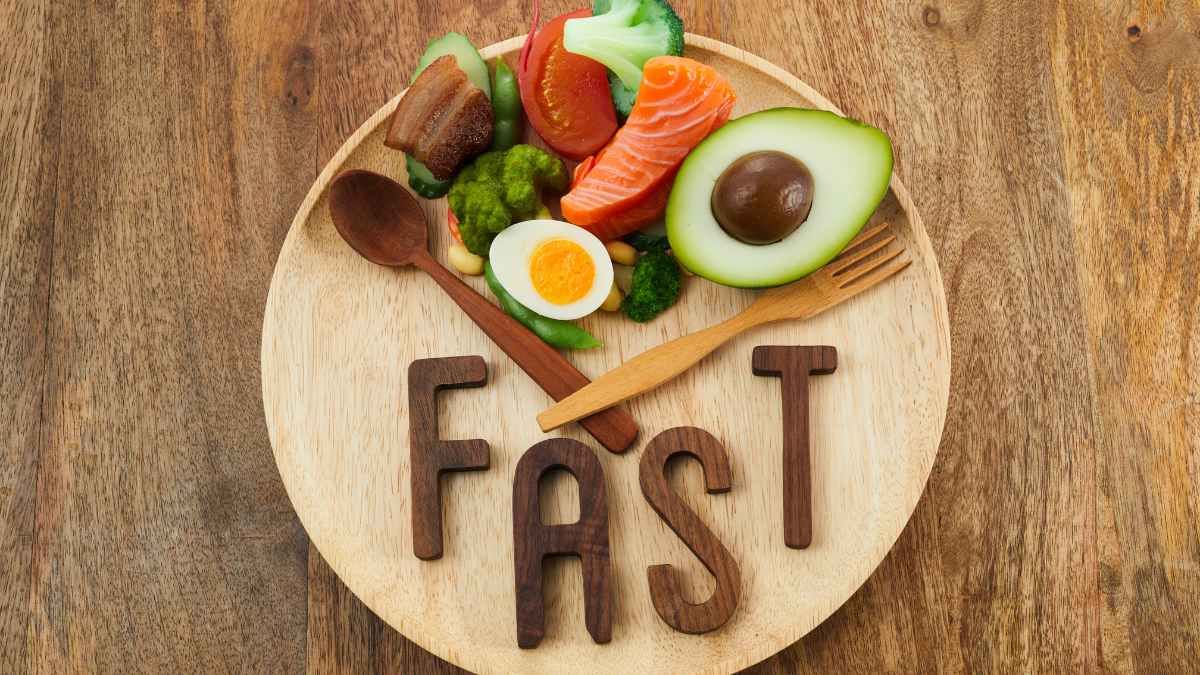

Introduction:
Intermittent fasting has gained significant popularity in recent years, particularly the 16:8 method, which involves fasting for 16 hours and eating during an 8-hour window. This approach can lead to various health benefits, including weight loss, improved metabolic health, and enhanced mental clarity. However, one common question that arises is how many calories one should consume during the eating window to maximize these benefits. This article will explore the intricacies of caloric intake within the framework of the 16:8 intermittent fasting method.
Understanding Intermittent Fasting and Its Mechanisms
Intermittent fasting is not just a diet but a lifestyle change that focuses on when to eat rather than what to eat. The 16:8 method is particularly appealing because it allows for flexibility in meal choices while promoting a structured eating schedule. During the fasting period, the body undergoes several metabolic changes, including increased fat oxidation and improved insulin sensitivity. These changes can lead to enhanced energy levels and fat loss.
The primary mechanism behind intermittent fasting is the reduction in insulin levels, which facilitates fat burning. When you fast, insulin levels drop, allowing stored fat to be utilized for energy. Additionally, fasting triggers the release of norepinephrine, a hormone that boosts metabolism and encourages the body to burn fat. Understanding these mechanisms is crucial for effectively integrating caloric intake into your fasting regimen.
Moreover, intermittent fasting can influence hormonal balance, including the increase of growth hormone, which aids in fat loss and muscle gain. This hormonal shift can enhance the effectiveness of your caloric intake, making it easier to achieve your health and fitness goals. Recognizing these biological processes can help you make informed decisions about your diet during your eating window.
Finally, it’s essential to note that while intermittent fasting can be beneficial, it may not be suitable for everyone. Individuals with certain medical conditions or those who are pregnant should consult healthcare professionals before starting an intermittent fasting regimen. Understanding the implications of fasting on your body is key to ensuring a safe and effective approach.
Calculating Daily Caloric Needs for Your Body Type
Determining how many calories you should consume during the 16:8 intermittent fasting method begins with understanding your daily caloric needs. These needs are influenced by several factors, including age, gender, weight, height, and activity level. The most common approach to calculating caloric needs is to use the Harris-Benedict equation or the Mifflin-St Jeor equation, which estimate your Basal Metabolic Rate (BMR).
Once you have your BMR, you can multiply it by an activity factor to get your Total Daily Energy Expenditure (TDEE). This figure represents the total number of calories you burn in a day, including all activities. For those looking to lose weight, it’s generally recommended to create a caloric deficit by consuming fewer calories than your TDEE. Conversely, if your goal is muscle gain or maintenance, you may need to consume more.
For example, a moderately active woman with a BMR of 1,400 calories may have a TDEE of approximately 2,000 calories. If she aims to lose weight, she might target a caloric intake of around 1,500 to 1,800 calories during her eating window. Understanding these calculations is essential for tailoring your intermittent fasting approach to your specific needs.
Additionally, it’s important to remember that caloric needs can change over time due to weight loss, muscle gain, or changes in activity levels. Regularly reassessing your caloric needs can help you stay aligned with your goals and ensure that your intermittent fasting plan remains effective.
The Role of Macronutrients in a 16:8 Diet Plan
While understanding caloric intake is crucial, the composition of those calories—specifically, the macronutrients—plays a significant role in achieving your health goals. The three primary macronutrients are carbohydrates, proteins, and fats, each serving unique functions in the body. A balanced intake of these macronutrients can enhance the benefits of intermittent fasting.
Proteins are essential for muscle repair and growth, making them particularly important for those engaging in resistance training or seeking to maintain muscle mass during weight loss. Aiming for a protein intake of around 20-30% of your total daily calories can support muscle health and promote satiety, which is beneficial during the eating window.
Carbohydrates, on the other hand, are the body’s primary source of energy. However, not all carbs are created equal. Prioritizing complex carbohydrates—such as whole grains, fruits, and vegetables—over simple sugars can provide sustained energy and essential nutrients. Ideally, carbohydrates should make up about 45-65% of your daily caloric intake, depending on your activity level and dietary preferences.
Fats are also vital for overall health, providing essential fatty acids and aiding in the absorption of fat-soluble vitamins. Including healthy fats, such as those found in avocados, nuts, and olive oil, can contribute to a feeling of fullness and satisfaction. Aiming for fats to comprise around 20-35% of your caloric intake can help maintain a balanced diet while practicing intermittent fasting.
Balancing these macronutrients within your caloric intake is essential for optimizing energy levels and supporting overall health. Tailoring your macronutrient ratios based on individual goals—whether it be weight loss, muscle gain, or maintenance—can make a significant difference in your fasting experience.
Timing Your Meals: Optimal Eating Windows Explained
The 16:8 intermittent fasting method allows for flexibility in meal timing, but strategic planning can enhance its effectiveness. The typical eating window usually spans from noon to 8 PM, but individuals can adjust this to fit their schedules. The key is to maintain a consistent routine, which can help regulate hunger hormones and improve metabolic efficiency.
During the eating window, it’s advisable to distribute your meals evenly. For example, consuming two to three meals within the 8-hour period can help stabilize blood sugar levels and prevent excessive hunger. Including snacks can also be beneficial, provided they align with your caloric and macronutrient goals.
Timing can also influence workout performance. For those who exercise regularly, scheduling workouts towards the end of the fasting period can enhance fat burning and improve workout performance. Consuming a meal shortly after exercising can aid in recovery and muscle repair, making it an essential consideration for those with active lifestyles.
Lastly, it’s crucial to listen to your body and adjust your eating window as needed. Some individuals may find that a shorter eating window works better for them, while others may prefer a longer one. Flexibility in meal timing can help create a sustainable approach to intermittent fasting, making it easier to adhere to in the long run.
Adjusting Caloric Intake for Weight Loss or Maintenance
When practicing intermittent fasting, adjusting caloric intake based on your goals is vital. For those aiming for weight loss, creating a caloric deficit is essential. This can be achieved by reducing your caloric intake by 500 to 1,000 calories per day, leading to a safe and sustainable weight loss of 1 to 2 pounds per week.
However, it’s important to ensure that the caloric deficit does not compromise nutrient intake. Focusing on nutrient-dense foods can help you stay within your caloric goals while still meeting your body’s nutritional needs. Incorporating plenty of fruits, vegetables, lean proteins, and whole grains can provide the necessary vitamins and minerals to support overall health during weight loss.
For individuals looking to maintain their weight, it’s crucial to find a balance between caloric intake and expenditure. Monitoring your weight regularly can help you assess whether your current caloric intake is appropriate. If you notice weight gain or loss, adjusting your caloric intake accordingly can help you maintain your desired weight.
Additionally, understanding that weight maintenance may require different caloric needs than weight loss is essential. As you lose weight, your TDEE may decrease, necessitating further adjustments to your caloric intake. Regularly reassessing your goals and caloric needs can help ensure long-term success with intermittent fasting.
Monitoring Progress: Assessing Your Fasting Results
Monitoring your progress while practicing intermittent fasting is crucial for understanding its effectiveness and making necessary adjustments. Keeping a food diary can help track your caloric intake and macronutrient distribution, providing insights into your eating habits and their impact on your goals.
In addition to tracking food intake, regularly measuring your weight and body composition can provide valuable feedback. It’s important to remember that weight can fluctuate due to various factors, including water retention and muscle gain. Therefore, looking at trends over time rather than day-to-day changes can provide a more accurate picture of your progress.
Furthermore, assessing how you feel during and after the fasting period is equally important. Many individuals report increased energy levels and improved mental clarity while fasting. Keeping a journal to document these subjective experiences can help you gauge the overall effectiveness of your intermittent fasting regimen.
Lastly, don’t hesitate to seek support from healthcare professionals or nutritionists if you encounter challenges or need guidance. They can provide personalized advice and help you navigate any difficulties you may face while practicing intermittent fasting, ensuring that you stay on track towards achieving your goals.
Conclusions:
In conclusion, determining the right caloric intake during the 16:8 intermittent fasting method involves understanding your body’s needs, macronutrient balance, meal timing, and adjusting for weight loss or maintenance. By monitoring your progress and making necessary adjustments, you can optimize your fasting experience and achieve your health and fitness goals. Intermittent fasting can be a powerful tool when approached thoughtfully and strategically, providing numerous benefits for those willing to commit to the process.
Read more
- Healthline – Intermittent Fasting 101 – A comprehensive guide to intermittent fasting, including its benefits and methods.
- Mayo Clinic – Intermittent Fasting: What to Know – Insights from medical professionals on intermittent fasting and its implications for health.
- Cleveland Clinic – Intermittent Fasting: What You Need to Know – An overview of intermittent fasting, including tips for success and potential risks.
- Nutrition.gov – Dietary Guidelines – Resources for understanding dietary needs and caloric intake based on individual goals.
- American Journal of Clinical Nutrition – Macronutrient Distribution – A research article discussing the importance of macronutrient distribution in diet plans.