

Se hai un abbonamento attivo ACCEDI QUI
Introduction:
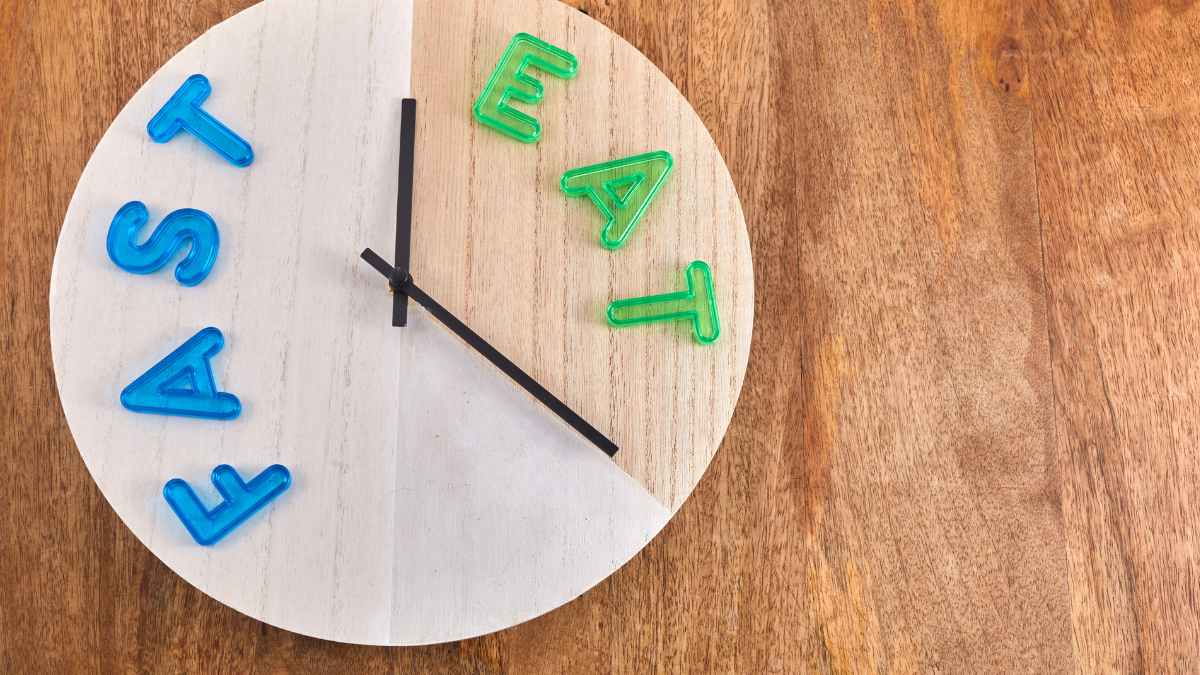
The 16:8 fasting method, a popular form of intermittent fasting, has gained traction in recent years as a viable approach for weight management and overall health improvement. This method involves fasting for 16 hours and eating during an 8-hour window. While many individuals report significant weight loss and health benefits, the question arises: how much weight can one realistically expect to lose while practicing 16:8 fasting? This article delves into the various factors influencing weight loss, how to set realistic targets, and strategies for maintaining long-term success.
Understanding the 16:8 Fasting Method and Its Benefits
The 16:8 fasting method is straightforward and easy to follow, making it appealing to many. By restricting the eating window to 8 hours, individuals often find it easier to reduce their overall caloric intake without feeling deprived. This method encourages mindful eating, as people tend to focus on nutrient-dense foods during their eating periods. Research has shown that intermittent fasting can improve insulin sensitivity, reduce inflammation, and promote cellular repair processes.
One of the primary benefits of the 16:8 method is its flexibility. Unlike traditional diets that require meticulous meal planning and calorie counting, 16:8 allows individuals to choose when to eat within their designated window. This flexibility can lead to greater adherence and long-term success. Additionally, many people report increased energy levels and improved mental clarity during fasting periods, which can enhance productivity and overall well-being.
Another significant advantage is the potential for weight loss. By limiting the hours available for eating, many individuals naturally consume fewer calories. Studies have indicated that intermittent fasting can lead to a reduction in body fat, particularly visceral fat, which is linked to various health risks. Moreover, the method may help regulate hormones that facilitate fat burning, such as norepinephrine.
Finally, the 16:8 fasting method has been associated with various health benefits beyond weight loss. Research suggests that it may improve heart health, enhance brain function, and even extend lifespan. These benefits make the method not just a weight loss strategy but also a holistic approach to improving one’s overall health.
Factors Influencing Weight Loss During Intermittent Fasting
Weight loss during 16:8 fasting is not solely determined by the fasting schedule; numerous factors contribute to individual results. Caloric intake is a primary factor; if one consumes more calories than they burn during the eating window, weight loss may be minimal or nonexistent. It’s crucial to focus on whole, nutrient-dense foods that promote satiety and provide essential nutrients.
Another influential factor is individual metabolism. Metabolic rates can vary significantly from person to person due to genetics, age, and muscle mass. Individuals with a higher muscle mass tend to burn more calories at rest, which can facilitate greater weight loss. Additionally, hormonal fluctuations can impact weight loss, particularly in women, where menstrual cycles may affect appetite and metabolism.
Lifestyle choices also play a critical role. Physical activity levels can significantly influence weight loss outcomes. Engaging in regular exercise, particularly strength training and cardiovascular activities, can enhance the effects of intermittent fasting by increasing caloric expenditure and preserving lean muscle mass. Conversely, a sedentary lifestyle may hinder weight loss efforts.
Lastly, psychological factors such as stress and emotional eating can impact weight loss. Emotional well-being is essential for adhering to any dietary regimen, including intermittent fasting. Individuals who manage stress effectively and maintain a positive relationship with food are more likely to experience successful weight loss outcomes.
Calculating Your Ideal Weight Loss Target with 16:8
Setting a realistic weight loss target is essential for success with the 16:8 fasting method. A common guideline is to aim for a weight loss of 0.5 to 1 kg (1 to 2 pounds) per week, which is considered safe and sustainable. This gradual approach helps prevent the negative effects of rapid weight loss, such as muscle loss and nutritional deficiencies.
To calculate your ideal weight loss target, begin by determining your current weight and desired weight. Using a simple formula, you can estimate how long it may take to reach your goal. For instance, if you aim to lose 10 kg (22 pounds) and plan to lose 0.5 kg (1 pound) per week, it would take approximately 20 weeks to achieve your target.
It’s also beneficial to consider body composition rather than just weight. Focusing on fat loss rather than overall weight can provide a more accurate picture of health improvements. Utilizing tools such as body fat percentage measurements can help individuals assess their progress more effectively.
Lastly, it’s important to remain flexible with your targets. Life circumstances can change, and weight loss may not always be linear. Adjusting your goals based on progress and personal experiences can help maintain motivation and prevent frustration.
Monitoring Progress: Tools and Techniques for Success
Monitoring progress is crucial for staying on track with the 16:8 fasting method. Keeping a food diary can help individuals track their eating habits and caloric intake during the eating window. This practice not only promotes accountability but also encourages mindfulness regarding food choices.
Utilizing technology can also enhance progress monitoring. Fitness apps that track caloric intake, exercise, and weight can provide valuable insights into individual habits. Many apps also offer features that allow users to set goals and receive reminders, making it easier to adhere to the fasting schedule.
In addition to tracking weight, it’s essential to monitor other health markers. Measuring body measurements, such as waist circumference, can provide a more comprehensive view of progress. Changes in measurements may indicate fat loss even when the scale remains unchanged, which can be particularly motivating.
Lastly, consider seeking support from communities or professionals. Joining online forums or local groups focused on intermittent fasting can provide encouragement and shared experiences. Additionally, consulting with a registered dietitian or nutritionist can offer personalized guidance and help address any challenges that arise during the fasting journey.
Common Challenges and Solutions in 16:8 Fasting
While the 16:8 fasting method can be effective, individuals may encounter challenges along the way. One common issue is hunger during fasting periods. This sensation can be particularly intense for beginners. To combat this, individuals can experiment with drinking water, herbal teas, or black coffee, which can help suppress appetite without breaking the fast.
Another challenge is social situations that revolve around food. Dining out or attending events can make adhering to the fasting schedule difficult. Planning ahead by choosing restaurants with healthy options or communicating dietary preferences to hosts can help navigate these situations while staying committed to the fasting plan.
Some individuals may also experience fatigue or irritability during fasting periods. These symptoms can be attributed to various factors, including inadequate hydration or nutrient deficiencies. Ensuring proper hydration and consuming balanced meals during the eating window can mitigate these feelings and enhance overall well-being.
Lastly, the psychological aspect of fasting can pose challenges. Feelings of deprivation may arise, leading to binge eating during the eating window. To counteract this, practicing mindful eating techniques and focusing on the benefits of fasting can help reinforce commitment and reduce the likelihood of overeating.
Long-Term Sustainability of Weight Loss with 16:8 Fasting
Sustainability is a crucial factor in any weight loss strategy, including the 16:8 fasting method. The flexibility of the 16:8 approach allows individuals to incorporate their favorite foods and social events without feeling restricted. This adaptability can foster a healthier relationship with food and promote long-term adherence.
To maintain weight loss achieved through 16:8 fasting, it’s essential to continue practicing mindful eating habits. Focusing on portion control and nutrient-dense foods can help prevent weight regain. Additionally, individuals may choose to adjust their fasting schedule as needed, such as transitioning to a less strict approach after reaching their goals.
Regular physical activity is also vital for long-term success. Incorporating exercise into daily routines can help sustain weight loss and improve overall health. Engaging in a mix of cardiovascular and strength training exercises can enhance metabolic rates and promote muscle retention.
Finally, cultivating a supportive environment can significantly impact sustainability. Surrounding oneself with supportive friends and family can foster motivation and accountability. Sharing goals and progress with others can create a sense of community, making it easier to maintain the lifestyle changes associated with the 16:8 fasting method.
Conclusions:
The 16:8 fasting method presents a flexible and effective approach to weight loss, with various factors influencing individual outcomes. By understanding these factors, setting realistic targets, and employing effective monitoring techniques, individuals can navigate the challenges of intermittent fasting. With a focus on long-term sustainability, the 16:8 method can lead to not only weight loss but also improved overall health and well-being.
Read more
- Healthline – Intermittent Fasting 101 – A comprehensive guide on intermittent fasting, including the science behind it and various methods.
- Mayo Clinic – Intermittent Fasting: What You Need to Know – Expert insights on intermittent fasting, its benefits, and potential risks.
- Cleveland Clinic – Intermittent Fasting: What to Know – A detailed overview of intermittent fasting, including tips for beginners.
- Nutrients Journal – Health Effects of Intermittent Fasting – A research article discussing the health effects and benefits of intermittent fasting.
- Harvard Health – The Science of Intermittent Fasting – An article from Harvard Health exploring the scientific basis and potential health benefits of intermittent fasting.