

Introduction:
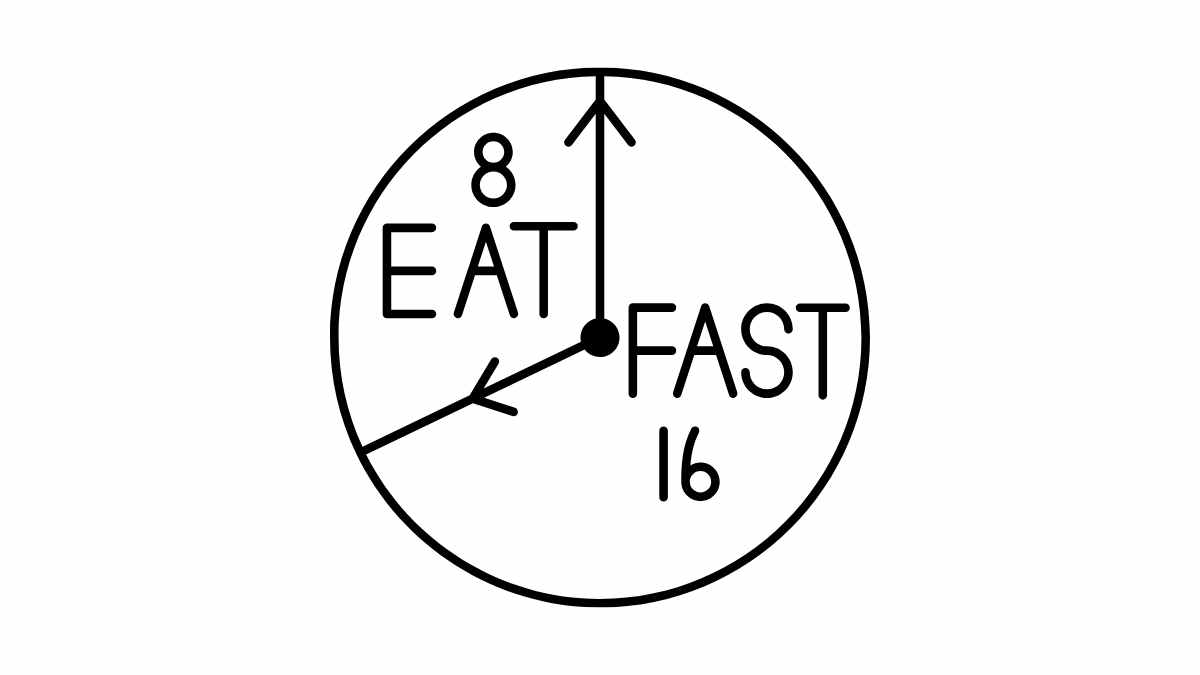
Intermittent fasting has gained significant popularity as a flexible and effective approach to weight management and overall health improvement. Among various methods, the 16:8 fasting regimen stands out due to its simplicity and adaptability. This method involves fasting for 16 hours each day and consuming all meals within an 8-hour window. To achieve the best results from this fasting approach, it is essential to understand its fundamentals, adhere to nutritional guidelines, time meals effectively, stay hydrated, monitor progress, and navigate common challenges. This article provides a comprehensive guide to maximizing the benefits of 16:8 intermittent fasting.
Understanding the Basics of 16:8 Intermittent Fasting
The 16:8 intermittent fasting method is straightforward: you fast for 16 hours and eat during an 8-hour window. This approach allows for flexibility in choosing the eating window, which can be adjusted according to personal schedules. For instance, many individuals opt to skip breakfast and eat between noon and 8 PM, while others may prefer an earlier window. Understanding your body’s natural rhythm is crucial, as it helps in determining the most suitable eating times.
During the fasting period, the body undergoes several metabolic changes. Insulin levels drop, facilitating fat burning and improving overall metabolic health. Additionally, fasting promotes cellular repair processes, such as autophagy, which helps in detoxifying and rejuvenating cells. These physiological changes contribute to the potential health benefits associated with intermittent fasting, including weight loss, improved insulin sensitivity, and enhanced brain function.
It is important to note that while the 16:8 method is effective, it is not a one-size-fits-all solution. Individual responses to fasting can vary based on factors such as age, gender, activity level, and overall health. Therefore, it is advisable to consult with a healthcare professional before embarking on any fasting regimen, especially for those with pre-existing medical conditions.
Lastly, the success of 16:8 fasting is not solely dependent on the fasting hours but also on the quality of food consumed during the eating window. Prioritizing nutrient-dense foods is essential for achieving optimal results and maintaining energy levels throughout the fasting period.
Key Nutritional Guidelines for Optimal Fasting Results
To maximize the benefits of 16:8 fasting, it is critical to focus on nutritional quality during the eating window. Emphasizing whole, unprocessed foods can significantly enhance health outcomes. A balanced diet rich in fruits, vegetables, whole grains, lean proteins, and healthy fats provides essential nutrients that support overall well-being and energy levels.
Incorporating a variety of macronutrients is also vital. Carbohydrates should come from complex sources, such as whole grains and legumes, while protein can be obtained from both animal and plant sources. Healthy fats, such as those found in avocados, nuts, and olive oil, are important for satiety and nutrient absorption. Striking the right balance among these macronutrients can help sustain energy levels and reduce hunger during fasting hours.
Additionally, being mindful of portion sizes is crucial. Even within the 8-hour eating window, consuming excessive calories can counteract the benefits of fasting. Using smaller plates, practicing mindful eating, and paying attention to hunger cues can help regulate portion sizes and prevent overeating.
Lastly, it is advisable to limit the intake of processed foods, added sugars, and refined carbohydrates during the eating window. These foods can lead to spikes in blood sugar levels and increased hunger, undermining the benefits of intermittent fasting. Instead, focusing on whole foods can help maintain stable energy levels and promote better health outcomes.
Timing Your Meals: Strategies for Effective 16:8 Fasting
Timing your meals effectively is a crucial aspect of the 16:8 fasting method. Choosing an appropriate eating window can significantly influence your success. Many individuals find that starting their eating window around noon works well, allowing for a late breakfast or brunch. This timing can help align with social schedules and reduce the temptation to snack in the morning.
Another strategy is to plan meals ahead of time. Preparing meals in advance ensures that you have healthy options readily available during your eating window. This practice not only saves time but also reduces the likelihood of impulsive eating choices that may not align with your nutritional goals. Meal prepping can include batch cooking, portioning out snacks, and having ingredients on hand for quick, nutritious meals.
Incorporating regular meal patterns can also help regulate hunger and energy levels. For instance, having two or three meals within the 8-hour window, along with healthy snacks, can provide a steady supply of nutrients without overwhelming the digestive system. This approach can also help maintain motivation and adherence to the fasting regimen.
Lastly, consider the social aspect of eating. Engaging in meals with family or friends can enhance the enjoyment of food and make it easier to stick to the fasting schedule. Planning social gatherings during your eating window can help create a supportive environment that encourages adherence to the 16:8 fasting method.
Hydration: The Role of Water in Intermittent Fasting
Hydration plays a pivotal role in the success of intermittent fasting. During the fasting period, it is crucial to drink plenty of water to stay hydrated. Water not only helps maintain bodily functions but also aids in suppressing hunger. Many individuals find that drinking a glass of water can alleviate feelings of hunger, making it easier to adhere to the fasting schedule.
In addition to water, herbal teas and black coffee can be consumed during fasting hours. These beverages are low in calories and can provide a comforting ritual without breaking the fast. However, it is essential to avoid adding sugar or cream, as these can introduce calories that may disrupt the fasting process.
During the eating window, maintaining hydration remains important. Consuming foods with high water content, such as fruits and vegetables, can contribute to overall hydration. Additionally, setting reminders to drink water throughout the day can help ensure that you meet your hydration needs, especially if you are active or live in a hot climate.
Lastly, being aware of the signs of dehydration is vital. Symptoms such as fatigue, dizziness, and dry skin can indicate inadequate fluid intake. Listening to your body and adjusting your hydration habits accordingly can enhance your experience with intermittent fasting and support overall health.
Monitoring Progress: Tools for Tracking Your Results
Tracking your progress is an essential component of any health regimen, including 16:8 intermittent fasting. Utilizing various tools can help you stay accountable and motivated throughout your fasting journey. One effective method is to maintain a food diary or use mobile apps to log your meals, snacks, and hydration. This practice can provide insights into eating patterns and help identify areas for improvement.
Another useful tool is a weight scale or body measurements. Regularly tracking your weight or measuring your waist circumference can help you gauge the effectiveness of your fasting regimen. However, it is important to remember that weight fluctuations are normal and can be influenced by various factors, including water retention and muscle gain. Therefore, focusing on long-term trends rather than daily changes is advisable.
In addition to physical measurements, consider monitoring your energy levels, mood, and overall well-being. Keeping a journal to record how you feel during the fasting period can provide valuable feedback and help you make necessary adjustments. This holistic approach can enhance your understanding of how intermittent fasting impacts your life beyond just weight loss.
Lastly, engaging with online communities or support groups can provide additional motivation and accountability. Sharing experiences, challenges, and successes with others on a similar journey can foster a sense of camaraderie and encourage adherence to the fasting regimen.
Common Challenges and Solutions in 16:8 Fasting
While the 16:8 fasting method can offer numerous benefits, it is not without its challenges. One common issue is hunger, especially during the initial days of adjusting to the fasting schedule. To combat this, it can be helpful to gradually increase the fasting period rather than jumping straight into 16 hours. Starting with a shorter fasting window and gradually extending it can help your body adapt more comfortably.
Another challenge is social situations that revolve around food, such as parties or family gatherings. These events can create pressure to eat outside of your designated eating window. To navigate this, consider planning ahead by informing friends and family about your fasting schedule. Bringing your own healthy snacks or meals can also help you stay on track while still enjoying social interactions.
Cravings can also pose a significant challenge during fasting. It is essential to recognize that cravings are often psychological rather than physical. Engaging in activities that distract you from food, such as exercise or hobbies, can help mitigate these urges. Additionally, focusing on nutrient-dense foods during your eating window can help satisfy cravings and reduce the likelihood of succumbing to unhealthy options.
Lastly, some individuals may experience fatigue or irritability during the initial phase of 16:8 fasting. This can be attributed to the body adjusting to a new eating pattern. Ensuring adequate hydration, getting enough sleep, and managing stress levels can help alleviate these symptoms. Over time, many individuals report increased energy levels and improved mood as their bodies adapt to the fasting regimen.
Conclusions:
In summary, achieving the best results from 16:8 intermittent fasting requires a holistic approach that encompasses understanding the method, adhering to nutritional guidelines, timing meals effectively, staying hydrated, monitoring progress, and addressing common challenges. By implementing these strategies, individuals can enhance their fasting experience and reap the numerous health benefits associated with this popular dietary approach.
Read more
- Healthline: Intermittent Fasting 101 – A comprehensive guide on intermittent fasting, including the benefits and various methods.
- Mayo Clinic: Intermittent Fasting – Insights from medical professionals on intermittent fasting and its effects on health.
- Cleveland Clinic: Intermittent Fasting – An overview of intermittent fasting, its benefits, and practical tips for implementation.
- Nutritional Psychiatry: The Role of Nutrition in Mental Health – A study discussing how nutrition impacts mental health, relevant to fasting practices.
- American Journal of Clinical Nutrition: Intermittent Fasting – A scientific review of the effects of intermittent fasting on health and metabolism.