

Se hai un abbonamento attivo ACCEDI QUI
Introduction:
Losing weight is a common goal for many individuals, often driven by the desire for improved health, enhanced self-esteem, or aesthetic preferences. However, achieving significant weight loss, such as shedding five pounds in a week, requires a comprehensive understanding of various factors that contribute to weight management. This article delves into the science of weight loss, providing insights into caloric deficits, nutritional strategies, exercise regimens, progress monitoring, and the potential risks associated with rapid weight loss. By exploring these elements, readers can develop a structured approach to achieving their weight loss goals safely and effectively.
Understanding the Science Behind Weight Loss: A Technical Overview
Weight loss fundamentally hinges on the principle of energy balance, which is the relationship between calories consumed and calories expended. When the body consumes more calories than it burns, it stores the excess energy as fat. Conversely, to lose weight, one must create a caloric deficit, which can be achieved through dietary changes, increased physical activity, or a combination of both. The human body requires a certain number of calories to maintain basic physiological functions, known as the Basal Metabolic Rate (BMR). Understanding BMR is crucial for determining how many calories one needs to consume to achieve weight loss.
The composition of weight loss is also important to consider. When individuals lose weight, they may lose a combination of fat, muscle, and water. Ideally, the goal is to maximize fat loss while preserving lean muscle mass. This can be influenced by dietary choices and exercise routines. Additionally, hormonal factors, such as insulin sensitivity and cortisol levels, play a significant role in how the body stores and utilizes fat. Therefore, a multifaceted approach that considers these biological and physiological factors is essential for effective weight loss.
Moreover, individual variability in metabolism, genetics, and lifestyle can affect weight loss outcomes. Some individuals may find it easier to lose weight due to higher metabolic rates or genetic predispositions, while others may struggle despite similar efforts. Understanding these differences can help set realistic expectations and tailor weight loss strategies to individual needs.
Lastly, psychological factors, including motivation, stress, and emotional eating, can significantly influence weight loss efforts. Developing a positive mindset and addressing emotional triggers can enhance adherence to weight loss plans and improve overall success.
Establishing a Caloric Deficit: Key Principles Explained
Creating a caloric deficit is the cornerstone of any weight loss strategy. To lose one pound of body weight, an individual must create a deficit of approximately 3,500 calories. Therefore, to lose five pounds in a week, one would need to achieve a total deficit of 17,500 calories, which translates to a daily deficit of about 2,500 calories. This can be accomplished through a combination of dietary restrictions and increased physical activity.
To effectively establish a caloric deficit, it is essential to calculate one’s Total Daily Energy Expenditure (TDEE). TDEE is the total number of calories burned in a day, including BMR and calories burned through physical activity. Various online calculators can assist in estimating TDEE based on factors such as age, gender, weight, height, and activity level. Once TDEE is determined, individuals can create a personalized plan that reduces caloric intake while ensuring sufficient nutrition.
Reducing caloric intake can be achieved through various strategies, such as portion control, meal planning, and mindful eating. Keeping a food diary can help individuals track their caloric intake and identify areas for improvement. Additionally, choosing lower-calorie, nutrient-dense foods can help maintain satiety while reducing overall caloric consumption.
It is important to note that while creating a significant caloric deficit is necessary for rapid weight loss, extreme caloric restriction can lead to negative health outcomes, including nutrient deficiencies and metabolic slowdown. Therefore, a balanced approach that prioritizes health and sustainability is crucial for long-term success.
Nutritional Strategies: Optimal Macronutrient Ratios for Weight Loss
When it comes to weight loss, the composition of one’s diet—specifically, the balance of macronutrients—plays a critical role. Macronutrients include carbohydrates, proteins, and fats, each serving unique functions in the body. For effective weight loss, a common recommendation is to consume a higher proportion of protein, moderate carbohydrates, and healthy fats.
Protein is particularly important for preserving lean muscle mass during weight loss. It has a higher thermic effect compared to fats and carbohydrates, meaning the body burns more calories digesting protein. Additionally, protein-rich foods can enhance satiety, reducing overall caloric intake. Aiming for a protein intake of approximately 1.2 to 2.2 grams per kilogram of body weight can support muscle retention and promote fat loss.
Carbohydrates are often viewed with skepticism in weight loss diets; however, they are essential for providing energy, particularly during exercise. Choosing complex carbohydrates, such as whole grains, fruits, and vegetables, can provide sustained energy while also supplying vital nutrients and fiber. Moderation is key, as excessive carbohydrate intake can hinder weight loss efforts.
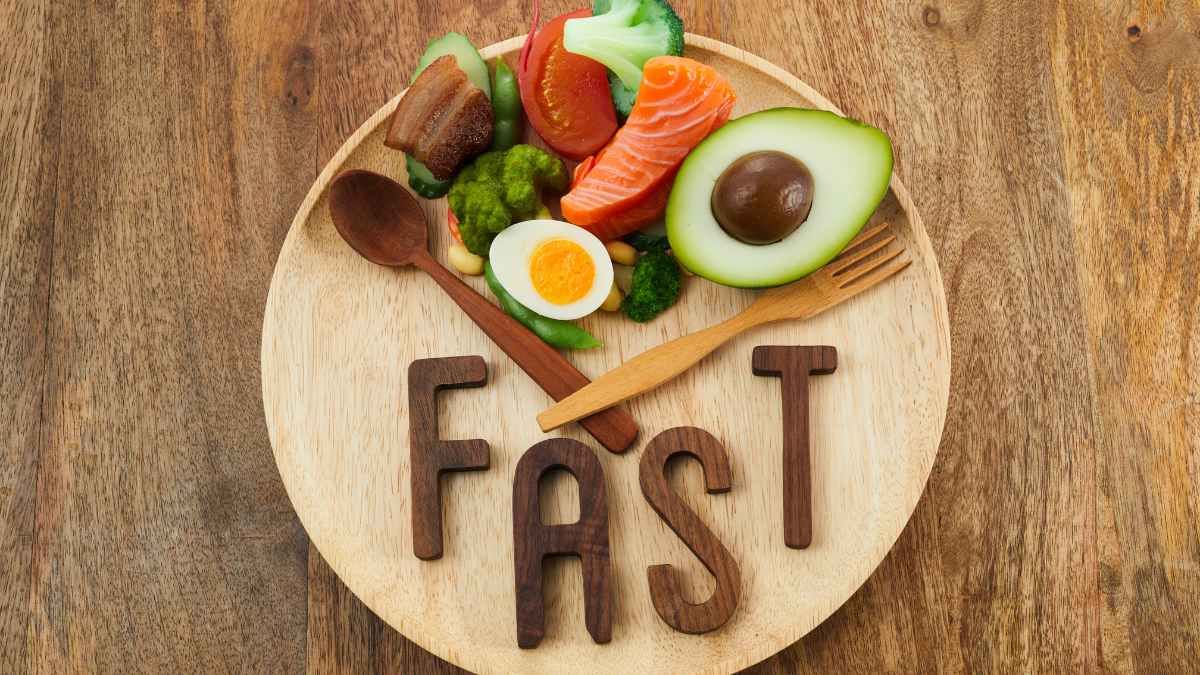
Healthy fats, such as those found in avocados, nuts, and olive oil, should not be overlooked. Fats are essential for hormone production and the absorption of fat-soluble vitamins. Incorporating healthy fats into the diet can promote satiety and improve overall dietary satisfaction. Striking the right balance among these macronutrients can create a sustainable eating pattern that supports weight loss.
The Role of Exercise: Effective Workouts for Rapid Fat Loss
Exercise is a critical component of any weight loss plan, particularly when aiming for rapid fat loss. Engaging in regular physical activity not only increases caloric expenditure but also contributes to muscle preservation and metabolic health. A combination of aerobic (cardiovascular) and anaerobic (strength training) exercises is often recommended for optimal results.
Aerobic exercise, such as running, cycling, or swimming, is effective for burning calories and improving cardiovascular fitness. High-Intensity Interval Training (HIIT) has gained popularity for its efficiency in burning calories in a short amount of time. HIIT involves alternating between short bursts of intense activity and periods of rest or lower-intensity exercise, resulting in a higher calorie burn both during and after the workout.
Strength training is equally important for weight loss, as it helps build and maintain lean muscle mass. Muscle tissue is metabolically active, meaning it burns more calories at rest compared to fat tissue. Incorporating resistance exercises, such as weight lifting or bodyweight workouts, two to three times a week can enhance muscle retention and support overall metabolic health.
In addition to structured workouts, increasing daily physical activity through lifestyle changes, such as walking more or taking the stairs, can contribute to overall caloric expenditure. Finding enjoyable activities can enhance adherence to an exercise regimen and make the weight loss journey more sustainable.
Monitoring Progress: Tools and Techniques for Accountability
Tracking progress is an essential aspect of any weight loss journey. It provides valuable feedback and helps individuals stay accountable to their goals. Various tools and techniques can aid in monitoring progress effectively.
One of the most common methods is using a food diary or mobile app to log daily caloric intake and exercise. Many apps also provide insights into macronutrient distribution, making it easier to ensure dietary goals are met. Regularly reviewing this data can help identify patterns and areas for improvement, ultimately supporting weight loss efforts.
Weighing oneself regularly can also provide a tangible measure of progress. However, it is important to recognize that weight can fluctuate due to various factors, including water retention and muscle gain. Therefore, tracking body measurements, such as waist circumference or body fat percentage, can offer a more comprehensive view of progress.
Additionally, setting short-term and long-term goals can enhance motivation and focus. Establishing specific, measurable, achievable, relevant, and time-bound (SMART) goals can provide clarity and direction throughout the weight loss journey. Celebrating small victories along the way can help maintain motivation and reinforce positive behaviors.
Lastly, seeking support from friends, family, or online communities can enhance accountability. Sharing goals and progress with others can provide encouragement and foster a sense of community, making the weight loss journey less isolating.
Potential Risks and Considerations: Ensuring Safe Weight Loss
While the desire to lose weight quickly can be tempting, it is crucial to approach weight loss with caution. Rapid weight loss can pose several health risks, including nutrient deficiencies, muscle loss, and metabolic slowdown. Extreme caloric restriction can lead to a lack of essential vitamins and minerals, negatively impacting overall health.
Additionally, rapid weight loss can result in the loss of water weight rather than fat loss. This can lead to a quick rebound effect, where individuals regain weight shortly after returning to normal eating patterns. Sustainable weight loss typically occurs at a rate of 1 to 2 pounds per week, allowing the body to adjust and maintain the changes made.
It is also important to consider individual health conditions and consult with a healthcare professional before embarking on a significant weight loss journey. Certain medical conditions, such as diabetes or thyroid disorders, can impact weight loss efforts and require tailored approaches.
Lastly, focusing solely on the scale can lead to unhealthy behaviors and an unhealthy relationship with food and body image. Emphasizing overall health, fitness, and well-being rather than just numbers can foster a more positive mindset and promote long-term success.
Conclusions:
Achieving a weight loss goal of five pounds in a week is ambitious and requires a comprehensive approach that encompasses dietary changes, exercise, progress monitoring, and careful consideration of potential risks. By understanding the science behind weight loss and establishing a caloric deficit, individuals can create a structured plan that prioritizes health and sustainability. With the right strategies and mindset, it is possible to embark on a successful weight loss journey while minimizing risks and promoting overall well-being.
Read more
- National Institutes of Health: Understanding Obesity – A comprehensive resource on obesity, its causes, and treatment options.
- Centers for Disease Control and Prevention: Healthy Weight – Offers guidelines on maintaining a healthy weight and the importance of balanced nutrition and physical activity.
- American Heart Association: Healthy Eating – Provides insights into heart-healthy eating patterns and strategies for weight management.
- Mayo Clinic: Weight Loss Basics – An overview of weight loss principles, including diet and exercise recommendations.
- Harvard Health Publishing: The Science of Weight Loss – A detailed exploration of the mechanisms behind weight loss and effective strategies for achieving it.