

Introduction:
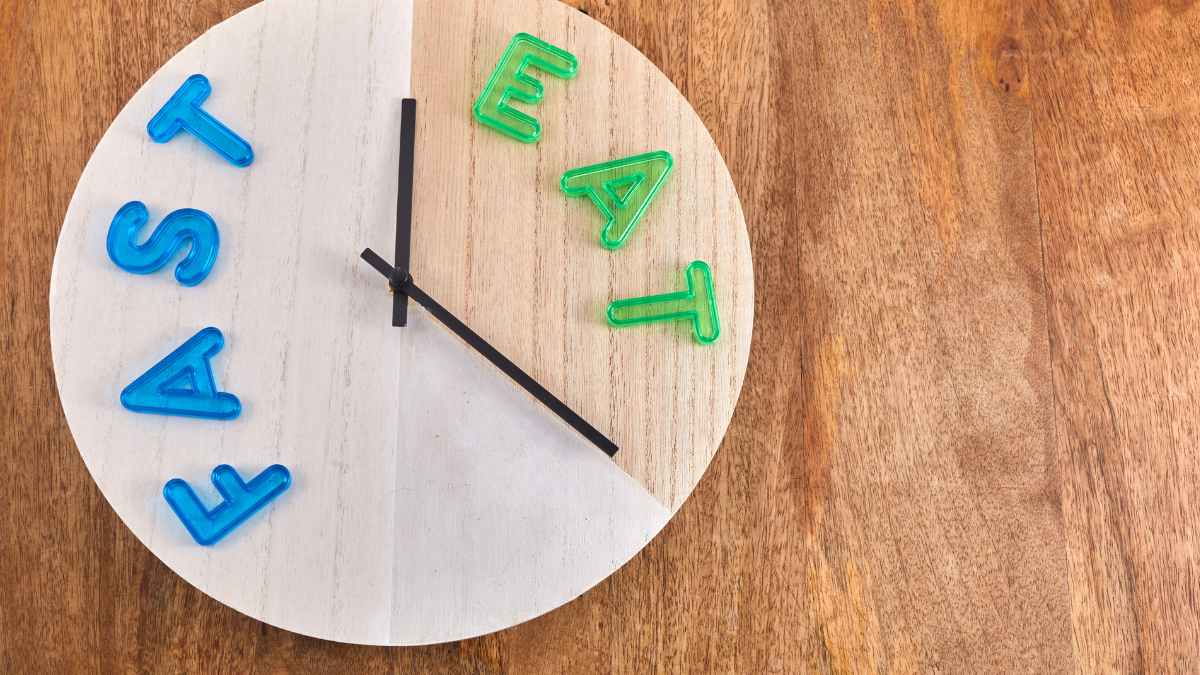
Intermittent fasting (IF) has gained significant popularity as a dietary strategy for weight loss and improved metabolic health. It involves cycling between periods of eating and fasting, which can lead to various physiological changes in the body. However, a common question arises: is it permissible to snack during fasting periods? This article explores the principles of intermittent fasting, the role of snacks, nutritional considerations, approved snack options, potential risks, and strategies for managing hunger while adhering to an intermittent fasting regimen.
Understanding Intermittent Fasting and Its Principles
Intermittent fasting is not a diet in the traditional sense but rather an eating pattern that alternates between periods of eating and fasting. The most common methods include the 16/8 method, where individuals fast for 16 hours and eat during an 8-hour window, and the 5:2 method, which involves eating normally for five days and restricting caloric intake to about 500-600 calories for two non-consecutive days. The core principle of IF is to allow the body to enter a state of ketosis, where it burns fat for energy instead of glucose.
During fasting periods, the body undergoes several metabolic changes. Insulin levels drop, facilitating fat burning, while human growth hormone levels increase, promoting muscle gain and fat loss. Additionally, fasting triggers autophagy, a cellular repair process that removes damaged cells and regenerates new ones. Understanding these principles is crucial for anyone considering intermittent fasting, as it highlights the importance of adhering to the fasting schedule.
The psychological aspect of intermittent fasting also plays a significant role. Many individuals report increased mental clarity and focus during fasting periods, attributed to stable blood sugar levels and reduced insulin spikes. This mental clarity can be a motivating factor for those who find traditional calorie restriction challenging. However, the question of whether snacking during fasting periods can disrupt these benefits remains a topic of debate.
Ultimately, the effectiveness of intermittent fasting can vary from person to person. Factors such as individual metabolism, lifestyle, and personal goals can influence how one responds to fasting. Understanding these variables is essential for tailoring an intermittent fasting approach that aligns with personal health objectives.
The Role of Snacks in Intermittent Fasting Regimens
Snacking during intermittent fasting can be a contentious issue. For some, the idea of snacking might seem contradictory to the principles of fasting. However, others argue that certain snacks can be beneficial, especially if they help manage hunger or provide essential nutrients. The key is to determine whether snacking aligns with one’s fasting goals and overall health.
When examining the role of snacks, it’s essential to consider the timing. Snacks consumed during the eating window can complement meals and provide additional nutrients. Conversely, snacking during fasting periods may break the fast and negate some of the metabolic benefits associated with fasting. Understanding the timing and type of snacks is crucial for maintaining the integrity of the fasting regimen.
Moreover, the psychological aspect of snacking cannot be overlooked. For individuals who struggle with hunger pangs during fasting, having approved snacks on hand can provide reassurance and make the fasting experience more manageable. This psychological comfort can be a significant factor in adherence to the fasting protocol. However, it is vital to choose snacks wisely to avoid derailing progress.
Ultimately, the role of snacks in intermittent fasting varies based on individual preferences and goals. While some may thrive on strict fasting without any snacks, others may find that strategic snacking enhances their experience and results. Identifying personal needs and responses to fasting is essential for crafting a successful intermittent fasting plan.
Nutritional Considerations for Snacks During Fasting
When considering snacks during intermittent fasting, nutritional content is paramount. Ideally, snacks should be low in calories but high in essential nutrients to avoid breaking the fast while still providing some level of satiety. Choosing snacks that are rich in fiber, healthy fats, and protein can help manage hunger without significantly impacting insulin levels.
Fiber-rich snacks, such as raw vegetables or nuts, can promote feelings of fullness and provide essential vitamins and minerals. Healthy fats, like avocado or olive oil, can also be satiating, making them excellent choices for snacking. Incorporating protein into snacks, such as Greek yogurt or hard-boiled eggs, can further enhance satiety and support muscle maintenance during fasting.
It’s also crucial to be mindful of portion sizes. Even healthy snacks can contribute to caloric intake if consumed in excessive amounts. Practicing portion control can help maintain the caloric deficit often sought in intermittent fasting. Additionally, being aware of the glycemic index of snacks can help prevent spikes in blood sugar, which can lead to increased hunger.
Ultimately, the goal of snacking during intermittent fasting should be to support overall health and fasting objectives. By choosing nutrient-dense snacks and being mindful of portion sizes, individuals can enhance their fasting experience while still adhering to their dietary goals.
Approved Snack Options That Align with Fasting Goals
For those who choose to incorporate snacks into their intermittent fasting regimen, several options align well with fasting goals. Low-calorie, nutrient-dense foods are ideal choices. Vegetables such as celery, cucumbers, and bell peppers can be consumed in generous portions without significantly impacting caloric intake. These snacks are high in fiber, which can help with satiety.
Nuts and seeds, while higher in calories, can be consumed in moderation. They are rich in healthy fats and protein, making them a satisfying option. A small handful of almonds or walnuts can provide essential nutrients while keeping hunger at bay. However, it is crucial to be cautious with portion sizes to avoid excessive caloric intake.
Another excellent option is Greek yogurt, which is high in protein and can be paired with low-calorie fruits like berries. This combination offers a satisfying snack that supports muscle maintenance and provides antioxidants. Additionally, hard-boiled eggs are a convenient, protein-rich snack that can be consumed during the eating window.
Lastly, herbal teas or black coffee can be consumed during fasting periods. These beverages can help manage hunger while providing hydration and potential metabolic benefits. By selecting these approved snack options, individuals can enhance their intermittent fasting experience without compromising their goals.
Potential Risks of Snacking During Intermittent Fasting
While snacking can offer benefits, it also carries potential risks that must be considered. One primary concern is the possibility of breaking the fast inadvertently. Consuming even small amounts of calories can trigger insulin responses, which may negate the metabolic benefits of fasting. This can lead to frustration and hinder progress for those seeking weight loss or metabolic improvements.
Another risk is the potential for overeating. If individuals allow themselves to snack during fasting periods, they may find it challenging to control portion sizes, leading to increased caloric intake. This can counteract the caloric deficit that intermittent fasting aims to achieve. Mindful eating practices are essential to mitigate this risk.
Furthermore, relying on snacks can create a psychological dependency, making it harder to adhere to the fasting schedule. Individuals may find themselves craving snacks during fasting periods, leading to feelings of deprivation or failure. This mindset can undermine the overall effectiveness of the intermittent fasting approach.
Lastly, not all snacks are created equal. Choosing unhealthy snacks high in sugar or refined carbohydrates can lead to energy crashes and increased hunger. It’s vital to prioritize nutrient-dense options to avoid these pitfalls and ensure that snacking aligns with health goals.
Strategies for Managing Hunger While Intermittent Fasting
Managing hunger during intermittent fasting is a common challenge, but several strategies can help. One effective method is to stay hydrated. Drinking plenty of water, herbal teas, or black coffee can help curb hunger pangs and keep the body hydrated. Sometimes, feelings of hunger can be mistaken for thirst, so staying well-hydrated is crucial.
Another strategy is to focus on the timing of meals. Consuming balanced meals during the eating window that include a mix of protein, healthy fats, and fiber can promote satiety and reduce hunger during fasting periods. Planning meals ahead of time can ensure that nutritional needs are met and help prevent impulsive snacking.
Incorporating mindful eating practices can also be beneficial. Taking the time to savor meals and listen to the body’s hunger cues can foster a healthier relationship with food. Being present during meals can help individuals recognize when they are satisfied, reducing the likelihood of overeating.
Lastly, engaging in activities that distract from hunger can be an effective strategy. Whether it’s exercise, reading, or pursuing hobbies, keeping the mind occupied can help reduce the focus on food and make fasting periods more manageable. By implementing these strategies, individuals can navigate the challenges of intermittent fasting while achieving their health goals.
Conclusions:
Intermittent fasting can be a powerful tool for weight loss and improved health, but the question of snacking during fasting periods requires careful consideration. While strategic snacking can help manage hunger and provide essential nutrients, it is vital to choose options wisely and be mindful of portion sizes. Understanding the principles of intermittent fasting, the role of snacks, and the potential risks involved can help individuals tailor their approach to meet their personal goals. By implementing effective strategies for managing hunger, individuals can successfully navigate the challenges of intermittent fasting and achieve lasting results.
Read more
- Healthline on Intermittent Fasting – A comprehensive guide to intermittent fasting, including methods and benefits.
- Mayo Clinic on Intermittent Fasting – Expert insights and advice on intermittent fasting from a trusted medical source.
- Cleveland Clinic on Intermittent Fasting – An overview of intermittent fasting, its effects, and tips for success.
- Nutritional Guidelines for Intermittent Fasting – A scientific exploration of nutritional considerations during intermittent fasting.
- The American Journal of Clinical Nutrition – A study examining the effects of intermittent fasting on weight loss and metabolic health.