

Se hai un abbonamento attivo ACCEDI QUI
Introduction:
Fasting has gained significant attention in recent years, both for its potential health benefits and its role in various dietary practices. Understanding what foods can be consumed without breaking a fast is crucial for anyone looking to reap the benefits of fasting. This article explores the key concepts of fasting, the metabolic responses it triggers, and the types of foods that can be consumed during fasting periods without disrupting the process.
Understanding Fasting: Key Concepts and Definitions
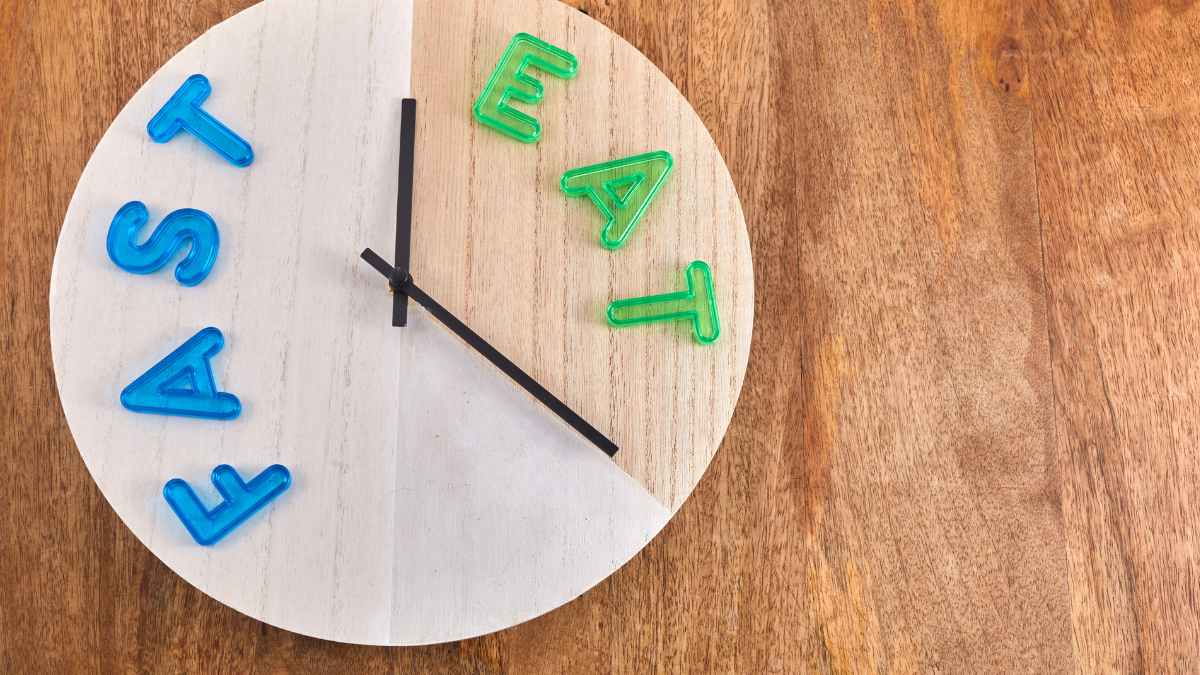
Fasting can be defined as the voluntary abstention from food and sometimes drink for a specific period. It is often practiced for various reasons, including religious observance, health benefits, and weight management. Intermittent fasting, a popular method, involves cycling between periods of eating and fasting, allowing the body to enter a state of ketosis and utilize fat stores for energy.
There are several types of fasting, including water fasting, where only water is consumed, and partial fasting, which allows for specific foods or beverages. Understanding these distinctions is essential, as they influence what can be consumed without breaking a fast. The duration of fasting can also vary, from short-term fasts lasting 16 hours to prolonged fasts extending several days.
Fasting is not merely about abstaining from food; it also involves a shift in the body’s metabolic state. During fasting, the body undergoes various physiological changes, such as increased fat oxidation and improved insulin sensitivity. These changes can lead to numerous health benefits, including enhanced cognitive function and reduced inflammation.
To effectively navigate fasting, it’s crucial to understand the concept of autophagy, a cellular repair process that is activated during fasting. Autophagy helps remove damaged cells and regenerate new ones, contributing to overall health and longevity. Recognizing the importance of this process can help individuals make informed choices about what to consume during fasting periods.
The Science Behind Fasting and Metabolic Responses
Fasting triggers a series of metabolic responses that are vital for health and well-being. When food intake ceases, insulin levels drop significantly, leading to increased fat breakdown and the release of fatty acids into the bloodstream. This shift allows the body to utilize fat as its primary energy source, promoting weight loss and metabolic health.
During fasting, the body also experiences a decrease in blood glucose levels, which can enhance insulin sensitivity. Improved insulin sensitivity is associated with a lower risk of type 2 diabetes and other metabolic disorders. The metabolic adaptations that occur during fasting can also lead to increased levels of human growth hormone (HGH), which plays a role in muscle preservation and fat loss.
Additionally, fasting has been shown to influence gene expression related to longevity and stress resistance. Research indicates that fasting can activate pathways associated with cellular repair and regeneration, further underscoring its potential health benefits. This interplay between fasting and metabolic processes highlights the importance of understanding how to maintain a fast without disrupting these beneficial effects.
As the body adapts to fasting, it also becomes more efficient at utilizing energy stores. This efficiency can lead to improved physical performance and mental clarity, making fasting an appealing option for those seeking to enhance their overall health. Understanding these metabolic responses is essential for anyone considering fasting as part of their lifestyle.
Foods That Do Not Trigger Insulin Release During Fasting
When fasting, the primary goal is to avoid foods that stimulate insulin release. Foods high in carbohydrates, particularly sugars and refined grains, can cause a spike in insulin levels, effectively breaking a fast. Therefore, it is essential to choose foods that are low in calories and carbohydrates if one wishes to maintain the fasting state.
Non-caloric beverages, such as black coffee and tea, are excellent options during fasting. These drinks do not contain significant calories or carbohydrates and can even enhance fat oxidation. Additionally, they may provide antioxidants and other beneficial compounds that support overall health without interfering with the fasting process.
Another category of foods that can be consumed without breaking a fast includes broths and bone broth. These options are low in calories and can provide essential electrolytes and nutrients without triggering insulin release. Bone broth, in particular, is rich in collagen and amino acids, which can support joint health and digestion.
Lastly, some individuals may choose to incorporate apple cider vinegar or lemon juice into their fasting regimen. When diluted in water, these options are low in calories and can aid digestion and promote a feeling of fullness, making them suitable for consumption during fasting periods.
Low-Calorie Options: Foods That Preserve Fasting Benefits
In addition to non-caloric beverages, there are several low-calorie food options that can be incorporated into a fasting regimen without significantly impacting insulin levels. Vegetables such as leafy greens, cucumbers, and celery are low in calories and carbohydrates, making them ideal for snacking during fasting periods. These vegetables are also rich in fiber, which can aid digestion and promote satiety.
Fermented foods, such as sauerkraut and kimchi, can also be included in a fasting-friendly diet. These foods are low in calories and provide beneficial probiotics that support gut health. The fermentation process often results in lower carbohydrate content, making them suitable for consumption during fasting.
Moreover, nuts and seeds can be consumed in moderation during fasting periods. While they contain calories, their high fat and protein content can help maintain energy levels and curb hunger. However, it is essential to keep portion sizes small to avoid exceeding caloric limits.
Lastly, incorporating herbs and spices can enhance the flavor of fasting-friendly meals without adding significant calories. Options such as cinnamon, turmeric, and ginger can provide additional health benefits, including anti-inflammatory properties, while keeping calorie intake low.
Hydration and Fasting: The Role of Water and Electrolytes
Hydration is a critical aspect of fasting, as the body can become dehydrated without regular food intake. Drinking adequate amounts of water is essential to maintain bodily functions and support metabolic processes. Water can also help curb hunger, making it easier to adhere to a fasting regimen.
In addition to water, maintaining electrolyte balance is crucial during fasting. Electrolytes, such as sodium, potassium, and magnesium, play vital roles in nerve function and muscle contraction. When fasting, the body may experience a loss of electrolytes, leading to symptoms such as fatigue and dizziness.
To replenish electrolytes, individuals can consider consuming electrolyte-rich beverages that are low in calories. Options such as electrolyte-infused water or homemade electrolyte drinks can help maintain balance without breaking a fast. These drinks typically contain minimal calories and can be tailored to individual preferences.
Furthermore, incorporating salt into meals can help retain electrolytes. A pinch of sea salt in water or broth can enhance flavor while providing essential minerals. However, it is crucial to monitor sodium intake, especially for individuals with specific health conditions.
Practical Tips for Incorporating Fasting-Friendly Foods
To successfully incorporate fasting-friendly foods into your regimen, planning is essential. Preparing meals in advance can help ensure that you have access to suitable options during fasting periods. Consider batch-cooking low-calorie soups or broths that can be easily reheated when needed.
Staying mindful of portion sizes is also crucial. While some foods are low in calories, consuming them in large quantities can still disrupt the fasting process. Using measuring tools or portion control containers can help maintain appropriate serving sizes.
Incorporating a variety of fasting-friendly foods can help prevent boredom and make the fasting experience more enjoyable. Experiment with different combinations of vegetables, herbs, and low-calorie snacks to find what works best for you. This variety can also provide essential nutrients that support overall health.
Lastly, listening to your body is paramount. If you find yourself feeling excessively hungry or fatigued during fasting, it may be beneficial to reassess your food choices and hydration levels. Adjusting your approach based on your body’s signals can help optimize the fasting experience.
Conclusions:
Fasting can be a powerful tool for enhancing health and well-being, but understanding what foods can be consumed without breaking a fast is essential. By focusing on low-calorie options, non-caloric beverages, and maintaining proper hydration and electrolyte balance, individuals can maximize the benefits of fasting while enjoying a variety of foods. With careful planning and mindfulness, fasting can become a sustainable and rewarding practice.
Read more
- Healthline – Intermittent Fasting 101 – A comprehensive overview of intermittent fasting, its benefits, and how to implement it effectively.
- Mayo Clinic – Fasting: What You Need to Know – An expert guide on fasting, including types, benefits, and safety considerations.
- Cleveland Clinic – The Benefits of Fasting – Insights into the health benefits of fasting and practical tips for getting started.
- PubMed Central – Fasting and its Effects on Health – A scholarly article discussing the physiological effects of fasting on health and metabolism.
- Nutrition Journal – Effects of Intermittent Fasting on Health – A research study examining the impact of intermittent fasting on various health markers.