

Introduction:
Intermittent fasting (IF) has gained significant popularity as a dietary approach that emphasizes not just what to eat, but when to eat. This method involves cycling between periods of eating and fasting, which can lead to various health benefits, including weight loss, improved metabolic health, and enhanced cognitive function. However, understanding what constitutes a nutritious breakfast within this framework is crucial for maximizing the benefits of intermittent fasting. In this article, we will explore the essentials of a good breakfast for those practicing intermittent fasting, focusing on nutritional requirements, key components, recommended foods, timing, portion control, and common pitfalls to avoid.
Understanding Intermittent Fasting and Its Benefits
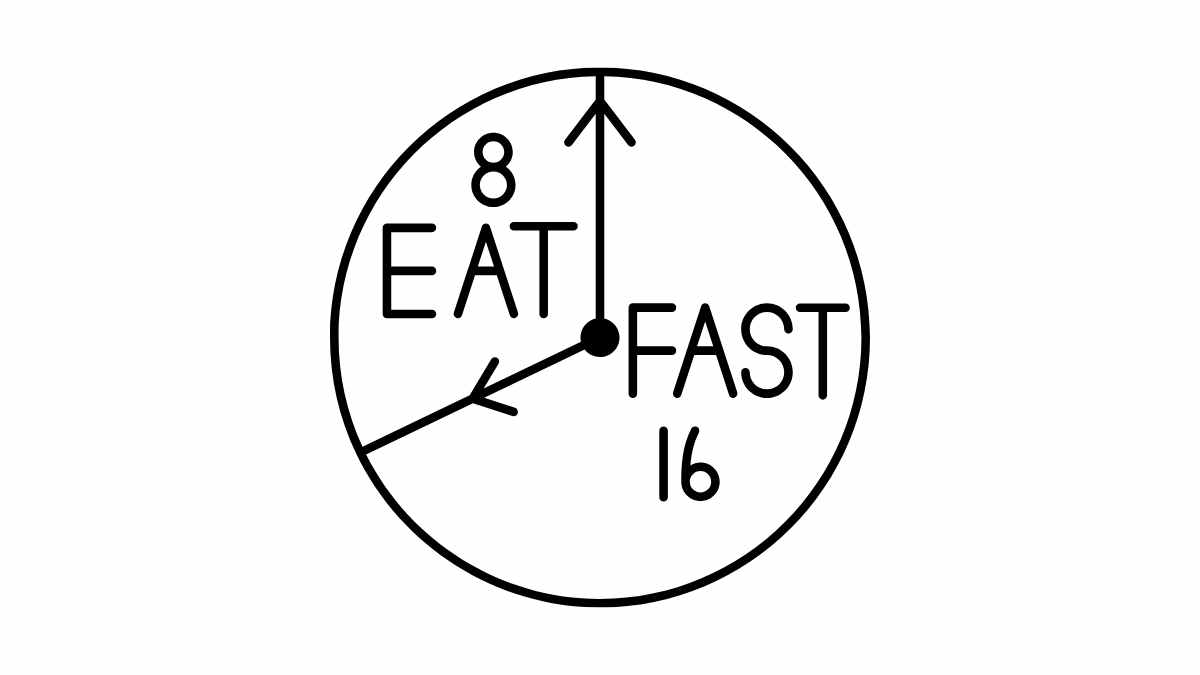
Intermittent fasting is not a diet in the traditional sense; rather, it is an eating pattern that alternates between periods of eating and fasting. This approach can vary in duration and frequency, with popular methods including the 16/8 method, where individuals fast for 16 hours and eat during an 8-hour window. Research has shown that intermittent fasting can lead to weight loss, improved insulin sensitivity, and reduced inflammation, among other benefits. These changes are largely attributed to the body’s shift from using glucose as its primary fuel source to utilizing fat stores during fasting periods.
Moreover, intermittent fasting has been linked to enhanced brain health. Studies suggest that fasting can promote the production of brain-derived neurotrophic factor (BDNF), a protein that supports neuron growth and function. This can potentially reduce the risk of neurodegenerative diseases. Additionally, fasting may improve heart health by lowering blood pressure and cholesterol levels. As a result, many individuals find that intermittent fasting not only helps with weight management but also enhances overall well-being.
However, the success of intermittent fasting largely depends on the quality of food consumed during eating windows. A well-balanced breakfast can set the tone for the day, providing essential nutrients that support energy levels and cognitive function. Therefore, it is imperative to understand how to construct a nutritious breakfast that aligns with the principles of intermittent fasting.
Finally, it’s important to note that while intermittent fasting offers numerous benefits, it may not be suitable for everyone. Individuals with certain health conditions, pregnant or breastfeeding women, and those with a history of eating disorders should consult a healthcare professional before starting any fasting regimen.
Nutritional Requirements for a Balanced Breakfast Meal
A balanced breakfast for those practicing intermittent fasting should encompass a variety of nutrients to ensure optimal health and energy levels. Macronutrients—carbohydrates, proteins, and fats—play a crucial role in providing the necessary fuel for the body. Carbohydrates are essential for quick energy, while proteins are vital for muscle repair and growth. Healthy fats contribute to satiety and support cellular function.
In addition to macronutrients, micronutrients such as vitamins and minerals are equally important. These nutrients support various bodily functions, including immune health, bone health, and energy metabolism. For instance, incorporating foods rich in B vitamins can enhance energy production, while foods high in antioxidants can help combat oxidative stress.
Hydration is another critical aspect of a balanced breakfast. After fasting, the body may be dehydrated, so it’s essential to include fluids, whether through water, herbal teas, or hydrating foods. Proper hydration aids digestion and supports metabolic processes, making it a vital component of any meal.
Lastly, the timing of breakfast can influence its effectiveness within an intermittent fasting regimen. Consuming breakfast at the beginning of the eating window can help stabilize blood sugar levels and curb cravings later in the day. Therefore, understanding the nutritional requirements and timing of breakfast is essential for maximizing the benefits of intermittent fasting.
Key Components of an Optimal Breakfast for Fasting
When breaking a fast, the first meal should be gentle on the digestive system while providing a robust nutrient profile. One key component is fiber, which aids digestion and promotes a feeling of fullness. Foods high in fiber, such as whole grains, fruits, and vegetables, can help regulate blood sugar levels and prevent spikes that may lead to energy crashes.
Protein is another essential component of an optimal breakfast. Including sources of protein, such as eggs, Greek yogurt, or plant-based options like tofu, can enhance satiety and support muscle maintenance. A higher protein intake has also been associated with improved metabolic rates, making it a beneficial addition to any breakfast.
Healthy fats should not be overlooked either. Incorporating sources of unsaturated fats, such as avocados, nuts, or seeds, can further enhance the nutritional profile of breakfast. These fats provide sustained energy and are crucial for hormone production and nutrient absorption.
Lastly, incorporating a variety of colors and textures into breakfast can make the meal more enjoyable and satisfying. This not only enhances the visual appeal but also ensures a broader range of nutrients. A colorful breakfast plate can include a mix of fruits, vegetables, whole grains, and protein sources, creating a balanced and appealing meal.
Recommended Foods to Enhance Breakfast Nutrition
To create a nutritious breakfast while practicing intermittent fasting, certain foods stand out for their health benefits. Oats are an excellent choice, as they are high in fiber and can help lower cholesterol levels. They can be prepared as oatmeal or overnight oats, combined with fruits and nuts for added flavor and nutrition.
Eggs are another powerhouse food, rich in protein and essential nutrients like choline, which is important for brain health. They can be prepared in various ways—boiled, scrambled, or poached—and can be paired with vegetables for a nutrient-dense meal.
Greek yogurt is a great source of protein and probiotics, which can support gut health. It can be topped with fruits, nuts, or seeds for added texture and nutrients. Alternatively, smoothies made with leafy greens, fruits, and a protein source can provide a quick and easy breakfast option that is both nutritious and filling.
Lastly, incorporating nuts and seeds can enhance breakfast nutrition by adding healthy fats, protein, and fiber. A handful of almonds, chia seeds, or flaxseeds can be sprinkled over oatmeal or yogurt, providing a satisfying crunch and a boost of nutrients.
Timing and Portion Control in Intermittent Fasting
Timing is a critical factor in intermittent fasting, especially when it comes to breakfast. The eating window should be strategically planned to maximize the benefits of fasting. For those following the 16/8 method, breakfast typically marks the beginning of the eating window. Consuming breakfast within one hour of breaking the fast can help stabilize blood sugar levels and prevent overeating later in the day.
Portion control is equally important. While it may be tempting to consume large quantities of food after a fasting period, moderation is key. Overeating can lead to digestive discomfort and negate some of the benefits of fasting. Utilizing smaller plates, measuring servings, and being mindful of hunger cues can help maintain appropriate portion sizes.
Listening to the body is essential during the eating window. Individuals should aim to eat until they are satisfied but not overly full. This can be achieved by focusing on whole, nutrient-dense foods that promote satiety and provide sustained energy.
Lastly, it’s worth noting that the quality of food consumed during the eating window can significantly impact overall health. Emphasizing whole, minimally processed foods over refined options can enhance the benefits of intermittent fasting and contribute to long-term health goals.
Common Mistakes to Avoid When Breaking a Fast
One of the most common mistakes when breaking a fast is consuming high-sugar or highly processed foods. These foods can lead to rapid spikes in blood sugar, followed by crashes that can leave individuals feeling fatigued and craving more sugar. Instead, it is advisable to focus on whole foods that provide sustained energy and nutrients.
Another mistake is neglecting hydration. After a fasting period, individuals may forget to drink water or other hydrating beverages. Dehydration can lead to fatigue and hinder digestion, making it crucial to rehydrate before or during breakfast.
Additionally, many people overlook the importance of gradual reintroduction of food. After fasting, the digestive system may need time to adjust. Starting with smaller portions and lighter foods can help ease the body back into the eating routine without overwhelming the digestive system.
Finally, emotional eating can be a pitfall for some individuals after a fasting period. Stress or anxiety may lead to overeating or choosing unhealthy foods. Practicing mindfulness and being aware of emotional triggers can help individuals make more conscious food choices and maintain a balanced approach to eating.
Conclusions:
Incorporating a nutritious breakfast into an intermittent fasting regimen is essential for maximizing the benefits of this eating pattern. By understanding the nutritional requirements, key components, and timing of breakfast, individuals can create meals that support their health goals. Avoiding common mistakes when breaking a fast can further enhance the effectiveness of intermittent fasting. Ultimately, a well-planned breakfast can provide the energy and nutrients needed to thrive throughout the day.
Read more
- Healthline: Intermittent Fasting 101 – A comprehensive guide to intermittent fasting, including its benefits and different methods.
- Mayo Clinic: Intermittent Fasting: What You Need to Know – An overview of intermittent fasting, its health implications, and tips for beginners.
- Cleveland Clinic: Intermittent Fasting: Is It Right for You? – Insights into the potential benefits and risks of intermittent fasting from a medical perspective.
- Harvard Health: What is Intermittent Fasting? – An exploration of intermittent fasting and its effects on health and weight loss.
- Nutrition.gov: Healthy Breakfast Ideas – A resource for nutritious breakfast ideas that align with various dietary preferences.