

Se hai un abbonamento attivo ACCEDI QUI
Introduction:
Intermittent fasting (IF) has gained significant popularity as a flexible and effective approach to weight management and overall health improvement. By alternating between periods of eating and fasting, individuals can potentially enhance their metabolic health, improve insulin sensitivity, and promote fat loss. However, the effectiveness of intermittent fasting largely depends on the eating schedule one adopts. Understanding the nuances of different schedules and their physiological impacts is crucial for maximizing benefits and ensuring sustainability.
Understanding Intermittent Fasting: Key Concepts Explained
Intermittent fasting is not a diet in the traditional sense; rather, it is an eating pattern that cycles between periods of fasting and eating. The primary goal is to allow the body to enter a state of ketosis, where it burns fat for energy instead of glucose. This shift can lead to various health benefits, including improved metabolic rates, reduced inflammation, and enhanced brain function. Key concepts in intermittent fasting include the fasting period, eating window, and the types of foods consumed during the eating phase.
The fasting period can vary significantly, ranging from 16 hours of fasting with an 8-hour eating window (16/8 method) to alternate-day fasting, where individuals eat normally one day and fast the next. Each method has its own set of advantages and challenges. For instance, the 16/8 method is often favored for its simplicity and ease of integration into daily life, while alternate-day fasting may yield more rapid weight loss but can be more difficult to maintain.
Understanding the physiological mechanisms behind intermittent fasting is essential. During fasting, insulin levels drop, which facilitates fat burning. Additionally, fasting triggers a process called autophagy, where the body cleans out damaged cells and regenerates new ones. This cellular repair process is believed to contribute to longevity and improved health outcomes. Thus, the eating schedule directly influences these physiological responses.
Finally, it is important to emphasize that while intermittent fasting can be beneficial, it is not a one-size-fits-all approach. Individual responses to fasting can vary based on factors such as age, gender, activity level, and overall health. Therefore, finding the right eating schedule is crucial for maximizing the benefits of intermittent fasting.
Popular Intermittent Fasting Schedules: A Comparative Analysis
Several intermittent fasting schedules have emerged, each with its unique structure and benefits. The 16/8 method is one of the most popular, where individuals fast for 16 hours and eat during an 8-hour window. This schedule is often praised for its simplicity and ease of adherence, making it a suitable option for those new to intermittent fasting.
Another widely practiced method is the 5:2 diet, where individuals consume a normal diet for five days of the week and restrict calorie intake to about 500-600 calories on two non-consecutive days. This approach allows for flexibility in meal planning while still promoting weight loss and metabolic benefits. However, some may find the low-calorie days challenging, which could affect long-term adherence.
The Eat-Stop-Eat method involves fasting for a full 24 hours once or twice a week. This schedule can lead to significant calorie reduction and weight loss but may be difficult for many to maintain due to the extended fasting period. It is essential for individuals to assess their lifestyle and preferences when considering this option.
Lastly, the Warrior Diet emphasizes eating small amounts of raw fruits and vegetables during the day and consuming one large meal at night. This approach aligns with the body’s natural rhythms and can lead to improved digestion and energy levels. However, it may not suit everyone, particularly those who prefer more frequent meals throughout the day.
Physiological Effects of Eating Windows on Metabolism
The eating window during intermittent fasting plays a crucial role in determining metabolic responses. Research indicates that shorter eating windows, such as those seen in the 16/8 method, can enhance fat oxidation and improve insulin sensitivity. When the body is in a fasted state, it relies on fat stores for energy, leading to a more efficient fat-burning process.
Moreover, the timing of meals can influence circadian rhythms, which regulate various biological processes, including metabolism. Eating in alignment with the body’s natural circadian clock can optimize metabolic health. Studies suggest that consuming food during daylight hours may enhance metabolic efficiency and support weight loss efforts.
Fasting also induces hormonal changes that aid in fat loss. For instance, levels of norepinephrine increase during fasting, promoting fat breakdown. Additionally, growth hormone levels can rise significantly, further facilitating fat loss and muscle preservation. These hormonal shifts are influenced by the duration and timing of the fasting and eating periods.
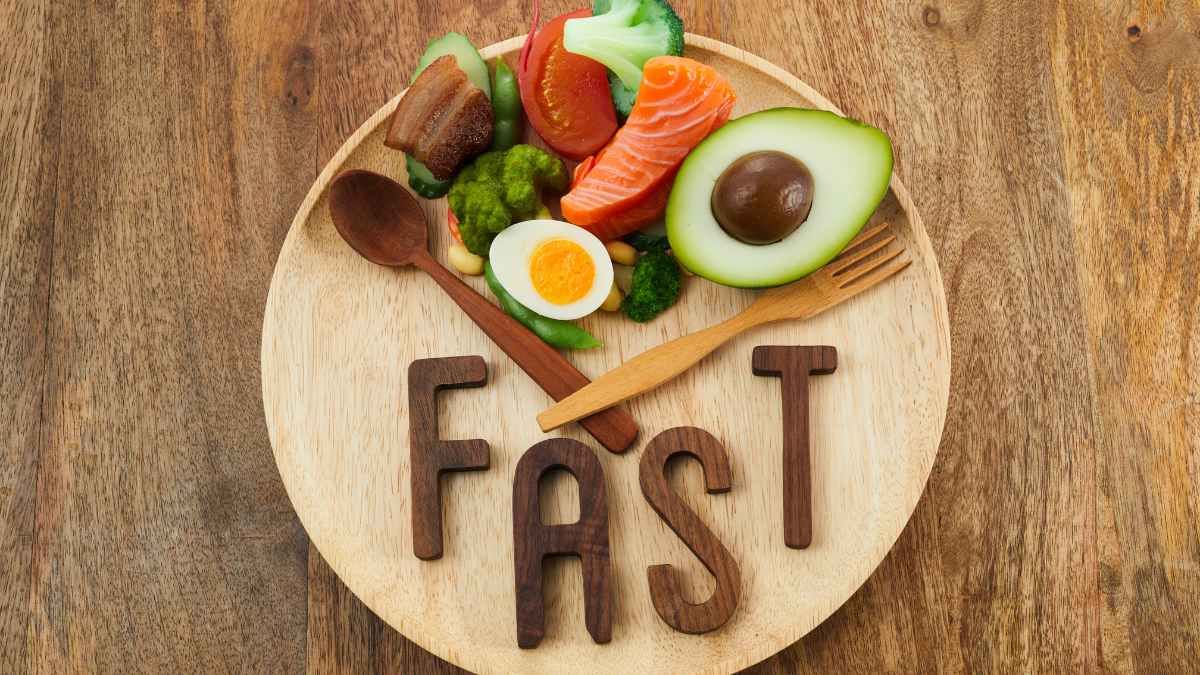
However, it is essential to consider the quality of food consumed during the eating window. A diet rich in whole foods, lean proteins, healthy fats, and fiber can enhance the benefits of intermittent fasting. Conversely, a diet high in processed foods and sugars can negate the positive effects, leading to weight gain and metabolic dysfunction.
Factors Influencing Optimal Eating Schedule for Individuals
Determining the best eating schedule for intermittent fasting is not solely about personal preference; several factors come into play. One significant consideration is an individual’s lifestyle and daily routine. Those with demanding work schedules or family commitments may find certain fasting schedules more manageable than others. For example, the 16/8 method may be more suitable for someone who prefers to skip breakfast and eat lunch and dinner.
Another critical factor is an individual’s health status. People with certain medical conditions, such as diabetes or eating disorders, should consult healthcare professionals before starting any fasting regimen. Additionally, age and gender can influence metabolic rates and hormonal responses, which may affect how one responds to different fasting schedules.
Physical activity levels are also crucial in determining the optimal eating schedule. Athletes or individuals engaged in intense exercise may require more frequent meals to support energy needs and muscle recovery. In contrast, those with a sedentary lifestyle might find longer fasting periods more beneficial for weight management.
Lastly, personal goals play a significant role in selecting an eating schedule. Whether the objective is weight loss, improved metabolic health, or enhanced cognitive function, aligning the fasting schedule with specific goals can help individuals stay motivated and committed to their intermittent fasting journey.
Practical Tips for Implementing an Effective Eating Schedule
Implementing an effective eating schedule for intermittent fasting requires careful planning and consideration. One practical tip is to start gradually. For those new to intermittent fasting, beginning with a shorter fasting period, such as 12 hours, and gradually increasing it can help the body adjust without overwhelming it. This approach can ease the transition and make it easier to adhere to the chosen schedule.
Another essential tip is to prioritize hydration during fasting periods. Drinking water, herbal teas, or black coffee can help stave off hunger and keep the body hydrated. Staying hydrated is crucial for maintaining energy levels and supporting metabolic processes during fasting.
Meal planning is also vital for success. Preparing healthy meals in advance can prevent impulsive eating and ensure that nutritious options are readily available during the eating window. Focusing on whole foods, such as fruits, vegetables, lean proteins, and healthy fats, can enhance the benefits of intermittent fasting and support overall health.
Lastly, it is important to listen to the body and adjust the eating schedule as needed. If a particular fasting method feels unsustainable or leads to excessive hunger or fatigue, it may be worthwhile to experiment with different schedules. Flexibility is key to finding an approach that works best for individual needs and lifestyles.
Evaluating Long-Term Sustainability of Intermittent Fasting Plans
When considering intermittent fasting, evaluating the long-term sustainability of a chosen plan is crucial. Many individuals may experience initial success with weight loss or health improvements, but maintaining these results over time requires a sustainable approach. It is essential to assess whether the selected eating schedule fits seamlessly into daily life without causing undue stress or discomfort.
One factor influencing sustainability is the ability to adapt the eating schedule to social situations and events. Rigid fasting plans may lead to feelings of deprivation or social isolation, making it challenging to maintain over the long haul. A flexible approach that allows for occasional indulgences or adjustments can enhance adherence and satisfaction.
Another consideration is the psychological aspect of fasting. Some individuals may develop an unhealthy relationship with food or experience anxiety around eating windows. It is essential to cultivate a balanced mindset and view intermittent fasting as a tool for health rather than a restrictive diet. Mindfulness practices, such as meditation or journaling, can support a positive relationship with food and enhance the overall experience.
Finally, regular self-assessment is vital for long-term success. Periodically evaluating how the chosen intermittent fasting schedule aligns with personal goals, energy levels, and overall well-being can help individuals make necessary adjustments. This ongoing reflection fosters a sense of empowerment and control over one’s health journey.
Conclusions:
In conclusion, the best eating schedule for intermittent fasting is highly individual and influenced by various factors, including lifestyle, health status, and personal goals. Understanding the physiological effects of different eating windows, exploring popular fasting schedules, and implementing practical tips can enhance the effectiveness of intermittent fasting. Ultimately, prioritizing sustainability and flexibility will lead to a more enjoyable and beneficial experience.
Read more
- Healthline – Intermittent Fasting 101 – A comprehensive guide to the various methods of intermittent fasting and their health benefits.
- Mayo Clinic – Intermittent Fasting: What to Know – Insights from medical professionals on intermittent fasting and its implications for health.
- Cleveland Clinic – Intermittent Fasting: Benefits and Risks – An overview of the potential benefits and risks associated with intermittent fasting.
- Harvard Health Publishing – The Science of Intermittent Fasting – A detailed examination of the scientific research behind intermittent fasting.
- Nutritional Journal – Effects of Intermittent Fasting on Health, Aging, and Disease – A scholarly article discussing the impact of intermittent fasting on various health outcomes.