

Se hai un abbonamento attivo ACCEDI QUI
Introduction:
Fasting has emerged as a popular strategy for weight loss, drawing attention from both the scientific community and the general public. The allure of rapid weight loss and potential health benefits has led many to explore various fasting protocols. However, understanding the science behind fasting, its different types, and their implications is crucial for anyone considering this approach. This article delves into the mechanisms of fasting, compares various protocols, and offers practical tips for effective implementation.
Understanding the Science Behind Fasting for Weight Loss
Fasting triggers a series of metabolic changes in the body that can facilitate weight loss. When food intake is restricted, the body shifts from using glucose as its primary energy source to utilizing stored fat. This metabolic switch is primarily driven by a decrease in insulin levels, which promotes fat oxidation. Additionally, fasting can enhance the secretion of norepinephrine, a hormone that increases fat breakdown, further aiding in weight loss.
Research indicates that fasting can also lead to a reduction in overall caloric intake. By limiting the eating window, individuals may consume fewer calories without consciously restricting their diet. This can be particularly effective for those who struggle with portion control or frequent snacking. Moreover, fasting has been associated with improved insulin sensitivity, which can help prevent weight gain and support metabolic health.
Another significant aspect of fasting is its impact on human growth hormone (HGH) levels. Studies have shown that fasting can increase HGH secretion, which plays a vital role in fat loss and muscle preservation. Elevated HGH levels can enhance fat metabolism and promote lean muscle mass, contributing to a more favorable body composition.
Lastly, fasting may also influence appetite-regulating hormones such as ghrelin and leptin. Ghrelin, often referred to as the "hunger hormone," typically increases before meals and decreases after eating. Fasting can help recalibrate these hormone levels, potentially leading to reduced hunger and cravings over time.
Types of Fasting: Intermittent, Alternate-Day, and More
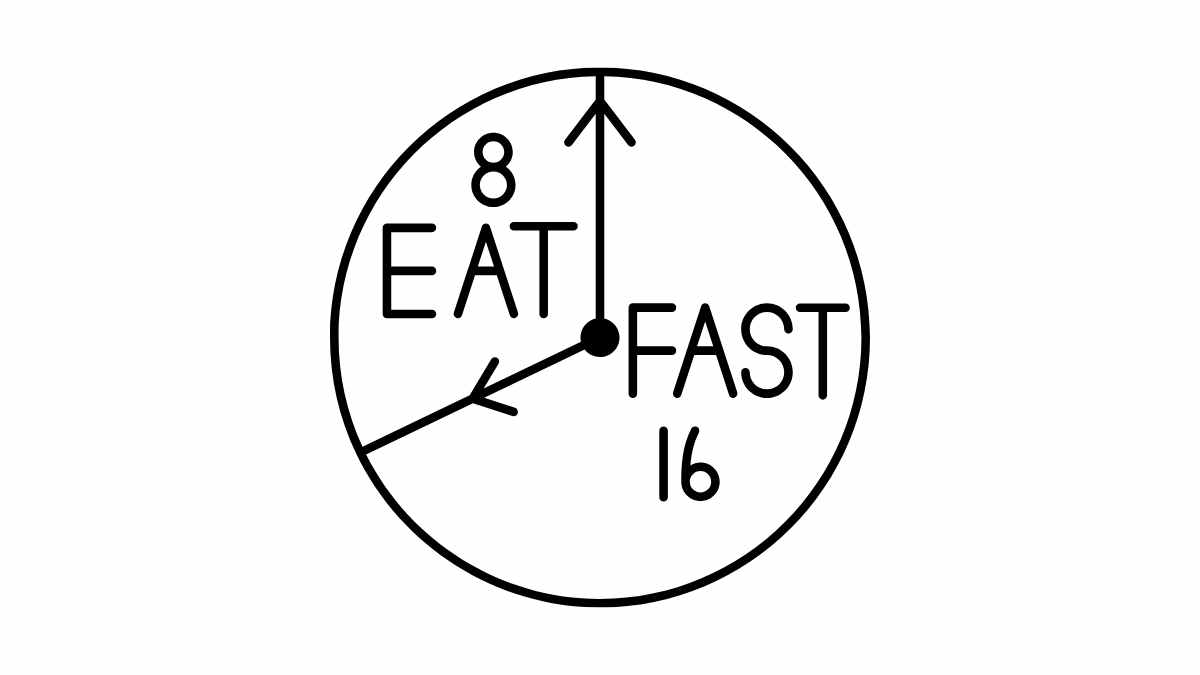
Intermittent fasting (IF) is one of the most widely practiced forms of fasting, characterized by alternating periods of eating and fasting. The most common protocols include the 16/8 method, where individuals fast for 16 hours and eat during an 8-hour window, and the 5:2 diet, which involves eating normally for five days and significantly reducing caloric intake on two non-consecutive days. These methods are popular due to their flexibility and ease of integration into daily life.
Alternate-day fasting (ADF) is another approach that involves cycling between days of normal eating and days of fasting or very low-calorie intake. Research has shown that ADF can lead to significant weight loss and improvements in metabolic health. However, it may be more challenging to adhere to for some individuals due to the strict alternating schedule.
Extended fasting, which lasts for 24 hours or more, is less common but can be effective for weight loss and metabolic health. However, this approach requires careful planning and should be approached with caution, particularly for those with underlying health conditions. Extended fasting may lead to more pronounced physiological changes, such as autophagy, the body’s way of cleaning out damaged cells, but it also comes with risks.
Lastly, there are variations of fasting that incorporate specific dietary patterns, such as time-restricted eating (TRE), where individuals consume all their calories within a specific time frame each day. This method has gained popularity for its simplicity and potential health benefits, making it an appealing option for those looking to lose weight.
Comparing Fasting Protocols: Efficacy and Sustainability
When evaluating the efficacy of different fasting protocols, it’s essential to consider both short-term and long-term outcomes. Intermittent fasting has garnered significant attention for its ability to promote weight loss and improve metabolic markers in a relatively short period. Studies suggest that individuals adhering to IF may experience comparable weight loss results to those following traditional calorie-restricted diets.
However, sustainability is a crucial factor when choosing a fasting protocol. While intermittent fasting may be easier for many to maintain due to its flexible nature, alternate-day fasting can be more challenging, especially for those with busy lifestyles or social commitments. The key to successful weight loss is not just the initial results but the ability to maintain those results over time.
Extended fasting can yield rapid weight loss, but it may not be sustainable for most individuals due to its restrictive nature. Additionally, the potential for muscle loss and nutrient deficiencies during prolonged fasting periods raises concerns about its long-term viability. Therefore, individuals must weigh the benefits against the challenges of adhering to such a regimen.
Ultimately, the best fasting protocol for weight loss will vary from person to person. Factors such as lifestyle, personal preferences, and individual health conditions should guide the choice of fasting method. A protocol that fits seamlessly into one’s routine is more likely to yield lasting results.
Physiological Effects of Fasting on Metabolism and Fat Loss
Fasting induces several physiological changes that can enhance metabolism and promote fat loss. One of the primary effects is the reduction of insulin levels, which facilitates fat breakdown. Lower insulin levels signal the body to utilize stored fat for energy, leading to increased fat oxidation and weight loss.
Additionally, fasting can increase metabolic rate through the stimulation of norepinephrine and other hormones. Research indicates that short-term fasting can elevate metabolic rate by up to 14%, which can further aid in weight loss. This increase in energy expenditure is particularly beneficial for those looking to shed excess body fat.
Fasting also promotes cellular repair processes, including autophagy, which helps eliminate damaged cells and proteins. This process not only supports overall health but may also enhance metabolic efficiency. By improving cellular function, fasting can contribute to better energy utilization and fat loss.
Furthermore, fasting can influence gene expression related to longevity and fat metabolism. Studies have shown that fasting can activate certain genes that promote fat burning and reduce inflammation, providing a dual benefit for weight management and overall health.
Potential Risks and Considerations in Fasting Regimens
While fasting can offer numerous benefits, it is not without risks. Individuals with certain medical conditions, such as diabetes, eating disorders, or those who are pregnant or breastfeeding, should consult a healthcare professional before embarking on any fasting regimen. Fasting can lead to fluctuations in blood sugar levels, which may pose risks for individuals with diabetes.
Another consideration is the potential for nutrient deficiencies. Extended fasting or overly restrictive diets can result in inadequate intake of essential vitamins and minerals. It is crucial to ensure that any fasting protocol includes a balanced diet during eating periods to meet nutritional needs.
Fasting can also lead to increased feelings of hunger and cravings, particularly in the initial stages. This may result in overeating during eating windows, counteracting the intended weight loss effects. Individuals should be mindful of their food choices and portion sizes to avoid this pitfall.
Lastly, the psychological impact of fasting should not be overlooked. For some, fasting may lead to an unhealthy relationship with food, characterized by binge eating or obsessive thoughts about eating. It is essential to approach fasting with a balanced mindset and prioritize overall well-being.
Practical Tips for Implementing a Fasting Strategy Effectively
To implement a fasting strategy effectively, individuals should start by choosing a protocol that aligns with their lifestyle and preferences. Gradually easing into fasting can help the body adjust and reduce feelings of deprivation. For example, starting with a 12-hour fasting window and gradually extending it can make the transition smoother.
Staying hydrated during fasting periods is crucial. Drinking water, herbal teas, or black coffee can help curb hunger and maintain energy levels. Additionally, prioritizing nutrient-dense foods during eating windows can enhance satiety and provide essential nutrients.
Planning meals ahead of time can also support adherence to a fasting regimen. Preparing balanced meals with a focus on whole foods can prevent impulsive eating and ensure that nutritional needs are met. Incorporating a variety of foods can help maintain interest and enjoyment in meals.
Lastly, listening to one’s body is essential. If feelings of extreme hunger or fatigue arise, it may be necessary to adjust the fasting schedule or consult a healthcare professional. Flexibility and self-compassion are key components of a successful fasting strategy.
Conclusions:
Fasting can be an effective tool for weight loss, but its success largely depends on individual preferences, lifestyle, and health conditions. Understanding the science behind fasting and the various protocols available can empower individuals to make informed choices. By considering the physiological effects, potential risks, and practical tips for implementation, one can embark on a fasting journey that promotes sustainable weight loss and overall well-being.
Read more
-
Intermittent Fasting: A Comprehensive Review
This article provides an in-depth look at the science behind intermittent fasting and its effects on weight loss.
Read more -
The Effects of Intermittent Fasting on Health, Aging, and Disease
A thorough review of the health benefits associated with various fasting protocols, including metabolic health.
Read more -
Alternate-Day Fasting Improves Weight Loss and Metabolic Health
This study discusses the efficacy of alternate-day fasting in promoting weight loss and improving metabolic markers.
Read more -
Fasting: Molecular Mechanisms and Clinical Applications
A detailed examination of the molecular mechanisms through which fasting exerts its effects on metabolism and health.
Read more -
The Role of Fasting in Health and Disease
An overview of the potential risks and benefits associated with various fasting regimens, with practical advice for implementation.
Read more