

Se hai un abbonamento attivo ACCEDI QUI
Introduction:
Intermittent fasting (IF) has gained immense popularity as a strategy for weight loss and overall health improvement. This approach involves cycling between periods of eating and fasting, which can lead to a reduction in calorie intake and improved metabolic health. However, the effectiveness of intermittent fasting largely depends on the types of foods consumed during eating periods. Understanding the best food choices can significantly enhance the weight loss experience while ensuring adequate nutrition.
Understanding Intermittent Fasting and Its Benefits for Weight Loss
Intermittent fasting is not a diet in the traditional sense; rather, it is an eating pattern that alternates between periods of fasting and eating. Various methods exist, including the 16/8 method, where individuals fast for 16 hours and eat during an 8-hour window, and the 5:2 method, which involves eating normally for five days and restricting calorie intake on two non-consecutive days. Research has shown that intermittent fasting can lead to weight loss, improved insulin sensitivity, and reduced inflammation.
One of the primary mechanisms behind weight loss during intermittent fasting is the reduction in overall calorie intake. When individuals limit their eating window, they often consume fewer calories without consciously trying to restrict their food intake. Additionally, fasting periods can lead to hormonal changes that promote fat burning, such as increased norepinephrine and growth hormone levels. These hormonal shifts can enhance metabolic rate and facilitate the use of stored fat for energy.
Moreover, intermittent fasting can improve mental clarity and focus, which may be beneficial for individuals trying to adhere to a weight loss regimen. Many people report feeling more energized and less distracted by food cravings during fasting periods. This psychological benefit can make it easier to stick to a weight loss plan and maintain healthier eating habits.
Finally, intermittent fasting has been associated with various health benefits beyond weight loss, including improved cardiovascular health, better blood sugar control, and enhanced longevity. These benefits make intermittent fasting an appealing option for those looking to improve their overall health while managing their weight.
Key Nutritional Components for Effective Weight Loss
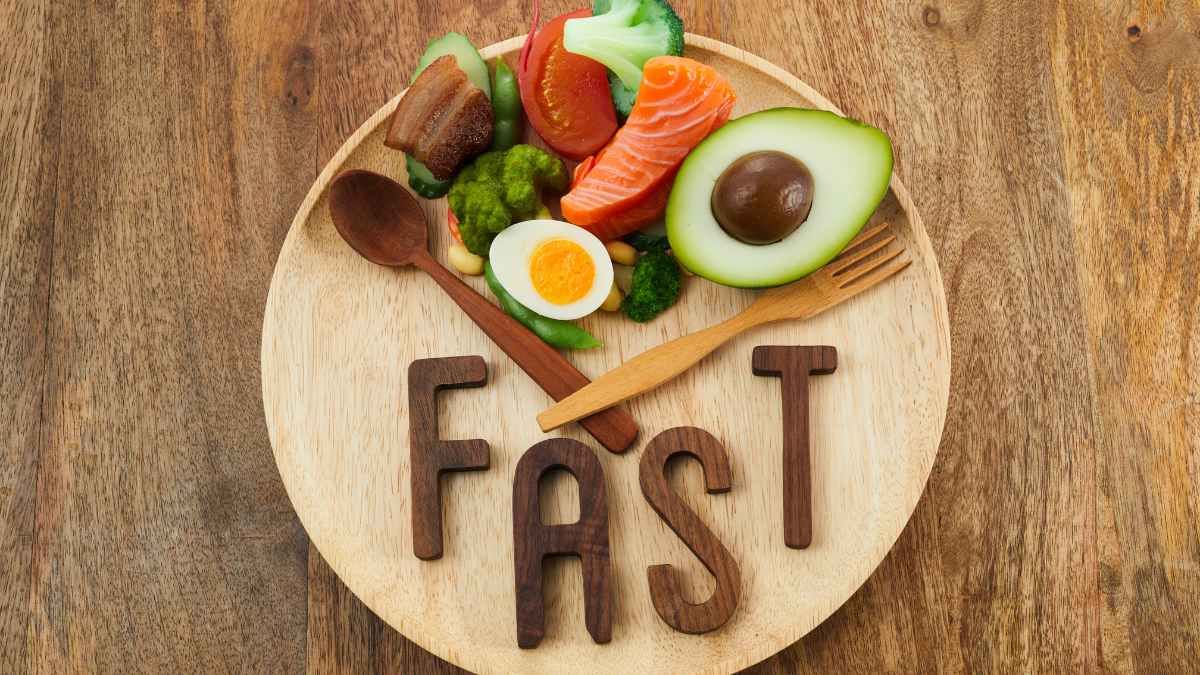
To maximize the benefits of intermittent fasting, it is crucial to focus on nutrient-dense foods during eating periods. These foods provide essential vitamins, minerals, and macronutrients that support overall health and weight loss. Key components include whole grains, lean proteins, healthy fats, and a variety of fruits and vegetables. These foods not only help to keep hunger at bay but also provide the necessary nutrients to fuel the body.
Whole grains, such as quinoa, brown rice, and whole wheat bread, are excellent sources of complex carbohydrates and fiber. Fiber is particularly important for weight loss, as it promotes satiety and helps regulate blood sugar levels. Including whole grains in meals can help individuals feel full longer, reducing the likelihood of overeating during eating windows.
Lean proteins, such as chicken, turkey, fish, legumes, and tofu, are vital for muscle maintenance and repair. Protein has a high thermic effect, meaning the body burns more calories digesting it compared to fats and carbohydrates. Additionally, protein-rich foods can enhance feelings of fullness, making it easier to adhere to caloric restrictions.
Healthy fats, found in foods like avocados, nuts, seeds, and olive oil, are essential for hormone production and overall health. Incorporating moderate amounts of healthy fats can help maintain energy levels and support nutrient absorption. Moreover, fats can contribute to satiety, further aiding in weight loss efforts.
Top Food Choices to Optimize Intermittent Fasting Results
When following an intermittent fasting regimen, selecting the right foods can significantly impact weight loss outcomes. Nutrient-dense foods that are low in calories but high in essential nutrients are ideal. Leafy greens, such as spinach and kale, are excellent choices due to their low calorie content and high levels of vitamins and minerals.
Fruits, particularly those high in water content like berries, watermelon, and oranges, can be beneficial for hydration and satiety. These fruits are also rich in antioxidants, which can help combat oxidative stress and inflammation. Incorporating a variety of colorful fruits and vegetables can ensure a well-rounded nutrient intake.
Incorporating legumes, such as lentils, chickpeas, and black beans, can provide a good source of protein and fiber. These foods are not only filling but also versatile, making them easy to include in various meals. They can be used in salads, soups, or as a base for grain bowls, enhancing the overall nutritional profile of meals.
Finally, whole food snacks like nuts and seeds can be a great addition to meals or eaten on their own. They provide healthy fats, protein, and fiber, making them a satisfying option during eating windows. However, portion control is essential, as these foods can be calorie-dense.
The Role of Macronutrients in Weight Loss Success
Understanding the role of macronutrients—carbohydrates, proteins, and fats—is crucial for effective weight loss during intermittent fasting. Each macronutrient plays a unique role in the body and can influence hunger, energy levels, and overall health. Balancing these macronutrients can help optimize weight loss results.
Carbohydrates are the body’s primary source of energy, but not all carbohydrates are created equal. Focusing on complex carbohydrates, such as whole grains and vegetables, can provide sustained energy and promote satiety. Simple carbohydrates, found in sugary snacks and processed foods, can lead to rapid spikes in blood sugar, followed by crashes that may trigger cravings.
Proteins are essential for muscle maintenance and repair, especially during weight loss. A higher protein intake can help preserve lean muscle mass while promoting fat loss. Studies have shown that protein can increase feelings of fullness and reduce overall calorie intake, making it a vital component of a weight loss diet.
Fats, particularly healthy fats, are necessary for hormone production and nutrient absorption. Incorporating healthy fats into meals can enhance flavor and satisfaction, making it easier to stick to a weight loss plan. However, moderation is key, as fats are calorie-dense and can contribute to excess calorie intake if not consumed mindfully.
Ultimately, the key to weight loss success during intermittent fasting lies in the balance of these macronutrients. A well-rounded diet that includes a variety of foods from all three macronutrient groups can support overall health and enhance weight loss efforts.
Hydration Strategies to Enhance Weight Loss During Fasting
Staying hydrated is crucial for overall health and can significantly impact weight loss during intermittent fasting. Water plays a vital role in metabolic processes and can help control hunger. Drinking adequate amounts of water can also prevent dehydration, which can lead to fatigue and decreased performance.
During fasting periods, it is essential to focus on non-caloric beverages to maintain hydration without breaking the fast. Water, herbal teas, and black coffee are excellent choices. These beverages can help suppress appetite and provide a sense of fullness, making it easier to adhere to fasting schedules.
Incorporating electrolytes, particularly during longer fasting periods, can also be beneficial. Electrolytes help maintain fluid balance and support various bodily functions. Low-calorie electrolyte drinks or adding a pinch of salt to water can help replenish essential minerals without adding significant calories.
Finally, being mindful of hydration during eating windows is equally important. Consuming water-rich foods, such as fruits and vegetables, can contribute to overall hydration. Additionally, drinking water before meals can help control portion sizes and reduce overall calorie intake.
Meal Timing and Frequency: Best Practices for Intermittent Fasting
The timing and frequency of meals during intermittent fasting can significantly influence weight loss outcomes. Understanding individual preferences and lifestyle factors is essential for creating a sustainable eating pattern. For example, some individuals may prefer to eat larger meals during their eating window, while others may opt for smaller, more frequent meals.
When following the 16/8 method, it is often recommended to consume two to three meals within the 8-hour eating window. This approach can help ensure adequate nutrient intake while preventing excessive hunger during fasting periods. Planning meals ahead of time can also help individuals make healthier choices and avoid impulsive eating.
In contrast, the 5:2 method allows for more flexibility in meal timing. On fasting days, individuals typically consume around 500-600 calories, which can be divided into one or two small meals. This approach can be appealing for those who prefer to restrict calories intermittently rather than daily.
Listening to the body’s hunger cues is crucial when determining meal timing. Eating when hungry and stopping when satisfied can help individuals develop a healthier relationship with food. Additionally, being mindful of emotional eating triggers can support weight loss efforts during intermittent fasting.
Conclusions:
Incorporating the right foods and strategies during intermittent fasting can significantly enhance weight loss results. By focusing on nutrient-dense foods, balancing macronutrients, staying hydrated, and practicing mindful eating, individuals can optimize their intermittent fasting experience. Ultimately, finding a sustainable approach that fits personal preferences and lifestyle is key to long-term success.
Read more
-
Intermittent Fasting: A Comprehensive Guide
This article provides an in-depth overview of intermittent fasting, its benefits, and various methods.
Link -
The Role of Macronutrients in Weight Loss
This resource discusses the importance of macronutrients in weight loss and how to balance them effectively.
Link -
Hydration and Weight Loss: What You Need to Know
This article explores the relationship between hydration and weight loss, offering practical tips for staying hydrated.
Link -
The Science Behind Intermittent Fasting
This research paper delves into the physiological effects of intermittent fasting on the body.
Link -
Meal Timing and Frequency: A Review
This review examines the impact of meal timing and frequency on weight loss and metabolic health.
Link