

Se hai un abbonamento attivo ACCEDI QUI
Introduction:
Intermittent fasting (IF) has gained significant popularity in recent years due to its potential health benefits and simplicity. It involves cycling between periods of eating and fasting, which can lead to various physiological changes in the body. However, the way one breaks a fast can significantly influence the overall effectiveness of this dietary approach. This article explores the best practices for breaking an intermittent fast, focusing on the physiological effects, nutritional considerations, ideal macronutrient ratios, recommended foods, and common mistakes to avoid.
Understanding Intermittent Fasting and Its Benefits
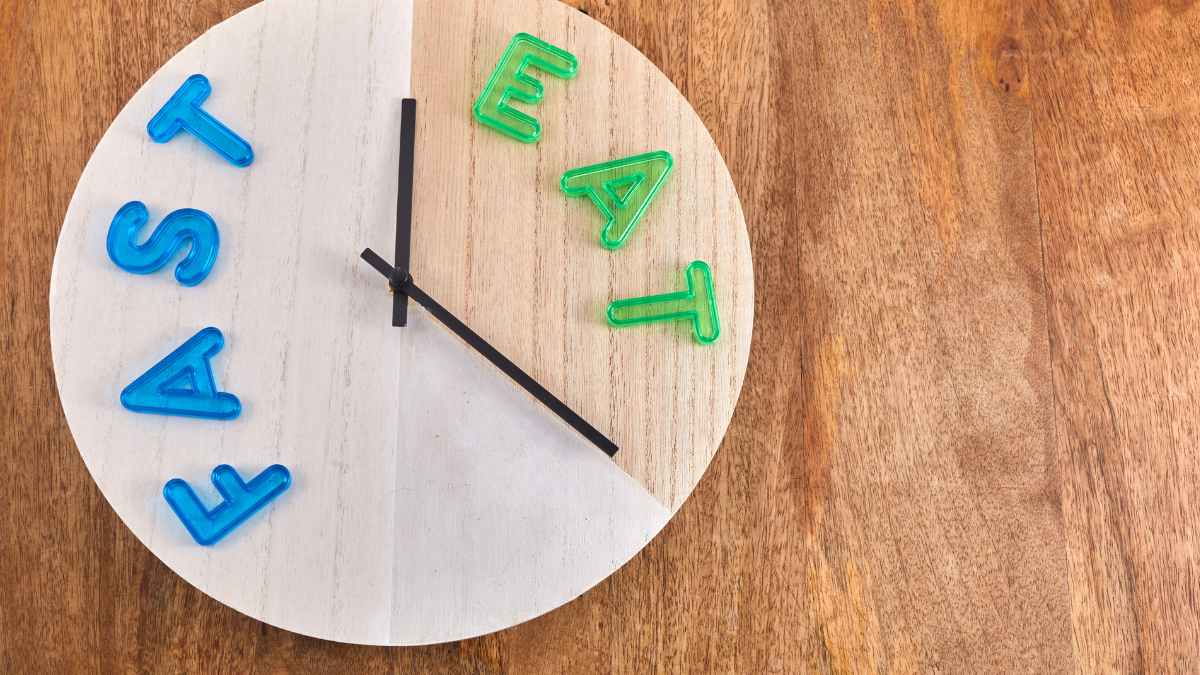
Intermittent fasting is not a diet in the traditional sense; rather, it is an eating pattern that alternates between periods of fasting and eating. Popular methods include the 16/8 method, where individuals fast for 16 hours and eat during an 8-hour window, and the 5:2 method, which involves eating normally for five days and restricting calorie intake on two non-consecutive days. The appeal of IF lies in its simplicity and flexibility, making it easier for many to adhere to compared to conventional diets.
The health benefits of intermittent fasting are multifaceted. Research indicates that IF can lead to weight loss, improved metabolic health, and enhanced cellular repair processes. Additionally, studies have shown that intermittent fasting may improve insulin sensitivity, reduce inflammation, and promote longevity. These benefits are attributed to the physiological changes that occur during fasting, such as increased production of norepinephrine and human growth hormone, which can facilitate fat burning and muscle preservation.
Moreover, intermittent fasting can have positive effects on mental clarity and focus. Many individuals report enhanced cognitive function during fasting periods, likely due to increased levels of brain-derived neurotrophic factor (BDNF). This neurotrophic factor is crucial for brain health, promoting the survival of neurons and supporting learning and memory. Thus, intermittent fasting not only impacts physical health but also mental well-being.
However, the effectiveness of intermittent fasting hinges on how individuals approach their eating windows, particularly when breaking a fast. Choosing the right foods and understanding the body’s needs during this transition can maximize the benefits of fasting. It is essential to consider the physiological effects of breaking a fast to ensure that one does not negate the positive outcomes achieved during the fasting period.
Physiological Effects of Breaking a Fast on the Body
When breaking a fast, the body undergoes several physiological changes that can influence digestion and metabolism. After an extended period without food, the digestive system may become more sensitive. The introduction of food, especially if it is heavy or processed, can lead to discomfort, bloating, or digestive distress. Therefore, it is crucial to ease back into eating with gentle, nutrient-dense options.
The body’s insulin sensitivity is heightened after fasting. This means that the body is more efficient at utilizing glucose from food, which can help stabilize blood sugar levels. Consuming foods that are low on the glycemic index can further enhance this effect, minimizing spikes in blood sugar and promoting sustained energy levels. This is particularly important for individuals managing conditions such as diabetes.
During fasting, the body shifts from using glucose as its primary energy source to utilizing fat stores. When breaking a fast, it is beneficial to choose foods that support this metabolic state, such as those rich in healthy fats and proteins. These macronutrients can help maintain satiety and prevent overeating, which is a common pitfall when individuals are overly hungry after fasting.
Additionally, the reintroduction of food after fasting can stimulate the production of digestive enzymes and bile, which are necessary for proper digestion and nutrient absorption. Choosing the right foods can facilitate this process, ensuring that the body efficiently utilizes the nutrients consumed. This understanding underscores the importance of thoughtful food choices when breaking a fast.
Nutritional Considerations for Post-Fast Meals
When breaking a fast, it is essential to prioritize nutrient-dense foods that provide the body with the vitamins and minerals it needs. Whole foods, such as fruits, vegetables, lean proteins, and healthy fats, should be the cornerstone of post-fast meals. These foods not only supply essential nutrients but also support overall health and well-being.
Hydration is another critical factor to consider when breaking a fast. After hours without food or water, the body may be dehydrated, which can lead to fatigue and headaches. Drinking water or herbal teas can help rehydrate the body and prepare it for digestion. Including hydrating foods, such as cucumbers or watermelon, can also contribute to overall fluid intake.
It is advisable to start with smaller portions when breaking a fast, as the digestive system may need time to readjust. Overeating immediately after fasting can lead to discomfort and negate the benefits of the fasting period. Gradually increasing portion sizes over subsequent meals can help the body adapt more comfortably.
Finally, timing is crucial when breaking a fast. Eating a balanced meal within the first hour of breaking the fast can optimize metabolic responses and nutrient absorption. This timing can help stabilize blood sugar levels and promote a sense of fullness, reducing the likelihood of unhealthy snacking later in the day.
Ideal Macronutrient Ratios for Breaking a Fast
The ideal macronutrient ratios for breaking a fast can vary depending on individual goals, activity levels, and dietary preferences. However, a general guideline is to focus on a balanced intake of carbohydrates, proteins, and fats. A common recommendation is to aim for a meal that consists of approximately 40% carbohydrates, 30% protein, and 30% healthy fats.
Carbohydrates should primarily come from whole food sources, such as fruits, vegetables, and whole grains. These foods provide essential vitamins, minerals, and fiber, which can aid digestion and promote satiety. It is essential to avoid refined sugars and processed carbohydrates, as they can lead to rapid spikes in blood sugar levels.
Protein is crucial for muscle repair and growth, especially after fasting. Including high-quality protein sources, such as lean meats, fish, eggs, legumes, or plant-based proteins, can support recovery and maintain muscle mass. Adequate protein intake can also enhance feelings of fullness, making it easier to avoid overeating.
Healthy fats, such as those found in avocados, nuts, seeds, and olive oil, are vital for hormone production and overall health. Incorporating these fats into post-fast meals can provide sustained energy and promote satiety. Balancing these macronutrients can help ensure that the body receives the necessary nutrients while maximizing the benefits of intermittent fasting.
Recommended Foods to Consume After Fasting
When it comes to breaking a fast, certain foods stand out as particularly beneficial. Starting with easily digestible options, such as bone broth or smoothies, can help ease the digestive system back into action. These foods provide hydration and essential nutrients without overwhelming the stomach.
After the initial reintroduction of food, incorporating whole foods like eggs, leafy greens, and avocados can provide a well-rounded nutrient profile. Eggs are an excellent source of protein and healthy fats, while leafy greens offer vitamins and minerals essential for recovery. Avocados provide healthy monounsaturated fats, which can support heart health and keep you satiated.
Another excellent option is incorporating fermented foods, such as yogurt or sauerkraut. These foods contain probiotics that can promote gut health and improve digestion, which is especially beneficial after a fasting period. A healthy gut microbiome is crucial for overall health and can enhance nutrient absorption.
Finally, whole grains like quinoa or brown rice can be included in post-fast meals. These grains provide complex carbohydrates that release energy slowly, helping to maintain stable blood sugar levels. Pairing these grains with protein sources, such as chicken or legumes, can create a balanced meal that supports recovery and satiety.
Common Mistakes to Avoid When Breaking a Fast
One of the most common mistakes individuals make when breaking a fast is consuming overly processed or high-sugar foods. These foods can lead to rapid spikes in blood sugar, resulting in energy crashes and cravings later in the day. It is essential to prioritize whole, nutrient-dense foods that support overall health.
Another mistake is overeating after a fasting period. After hours without food, the temptation to indulge can be strong, but consuming large quantities can lead to discomfort and digestive issues. Starting with smaller portions and gradually increasing intake can help the body adjust more comfortably.
Failing to hydrate adequately is another common pitfall. Many people overlook the importance of rehydration after fasting, which can lead to fatigue and headaches. Drinking water or herbal teas before and during meals can help ensure proper hydration.
Lastly, neglecting to listen to the body’s hunger cues can hinder the benefits of intermittent fasting. It is essential to eat mindfully and pay attention to feelings of fullness, rather than eating out of habit or boredom. This approach can help maintain a healthy relationship with food and support long-term success with intermittent fasting.
Conclusions:
Breaking an intermittent fast requires careful consideration of food choices, portion sizes, and macronutrient ratios. By understanding the physiological effects of fasting and prioritizing nutrient-dense foods, individuals can maximize the benefits of their fasting regimen. Avoiding common mistakes, such as overeating or consuming processed foods, can further enhance the positive outcomes associated with intermittent fasting. Ultimately, the goal is to create a sustainable eating pattern that supports overall health and well-being.
Read more
- Healthline – Intermittent Fasting 101 – A comprehensive guide to intermittent fasting, its benefits, and various methods.
- Mayo Clinic – Intermittent Fasting: What You Need to Know – An overview of intermittent fasting from a reputable medical institution.
- Harvard Health – The Benefits of Intermittent Fasting – Insights into the health benefits of intermittent fasting and how to implement it effectively.
- Cleveland Clinic – Intermittent Fasting: Is It Right for You? – A detailed exploration of intermittent fasting and its suitability for different individuals.
- Nutrition.org – Breaking a Fast: What to Eat – Guidelines on what foods to consume after fasting for optimal health benefits.