

Introduction:
Intermittent fasting has gained significant popularity in recent years as a flexible approach to eating that emphasizes the timing of meals rather than the types of food consumed. One of the most discussed aspects of intermittent fasting is the concept of eating windows, which dictate when food can be consumed. Among these, the morning eating window has emerged as a favored choice for many practitioners. This article delves into the nuances of the morning eating window, exploring its definition, physiological benefits, recommended timeframes, common variations, and practical tips for implementation.
Understanding the Concept of Intermittent Fasting Windows
Intermittent fasting (IF) is a dietary strategy that alternates between periods of eating and fasting. The core principle is not about what you eat but when you eat. This approach can help regulate metabolism, improve insulin sensitivity, and promote weight loss. Eating windows are specific timeframes during which individuals are allowed to consume food, while fasting periods restrict caloric intake.
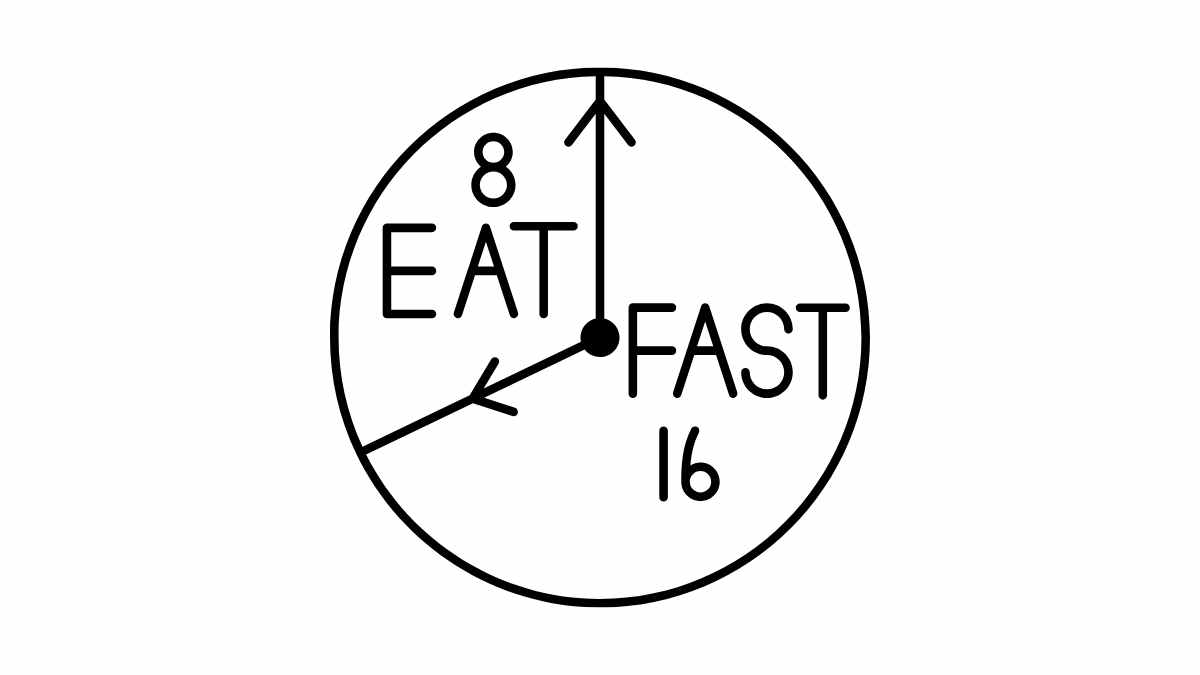
The most common intermittent fasting protocols include the 16/8 method, where individuals fast for 16 hours and eat during an 8-hour window, and the 5:2 method, which allows regular eating five days a week while restricting calories on two non-consecutive days. Morning eating windows typically refer to those that start early in the day, allowing individuals to consume their first meal shortly after waking.
Understanding the physiological effects of these eating windows is crucial for optimizing health benefits. When the body is in a fasting state, it undergoes several metabolic changes, such as increased fat oxidation and improved cellular repair processes. The timing of food intake can significantly influence these metabolic responses, making the choice of an eating window an essential aspect of intermittent fasting.
For many, the morning eating window aligns well with their natural circadian rhythms, which dictate various biological processes throughout the day. This synchronization can enhance the effectiveness of intermittent fasting and contribute to overall well-being.
Defining the Morning Eating Window in Intermittent Fasting
The morning eating window typically starts shortly after waking up and can vary in duration depending on individual preferences and schedules. For example, someone might choose to eat between 7 AM and 11 AM, creating a four-hour eating window. This approach allows individuals to consume breakfast and possibly a mid-morning snack before entering a fasting period.
Defining the specific hours for the morning eating window can depend on various factors, including work schedules, lifestyle choices, and personal health goals. Flexibility is a key component of intermittent fasting, allowing individuals to tailor their eating windows to fit their unique circumstances while still reaping the benefits of fasting.
The morning eating window can also be influenced by cultural practices and personal habits. For instance, in some cultures, breakfast is considered the most important meal of the day, leading to a preference for earlier eating windows. Conversely, others may prioritize later eating times due to lifestyle factors, such as late-night work or social engagements.
Ultimately, the morning eating window is about finding a balance that works for the individual while adhering to the principles of intermittent fasting. This balance can lead to improved energy levels, better focus, and enhanced metabolic health.
Physiological Benefits of Morning Eating for Metabolism
Eating in the morning can have several physiological benefits that positively impact metabolism. One of the primary advantages is the potential for improved insulin sensitivity. Consuming food early in the day can help regulate blood sugar levels and reduce the risk of insulin resistance, a condition that can lead to type 2 diabetes.
Moreover, morning eating aligns with the body’s natural circadian rhythms, which can enhance the efficiency of metabolic processes. Research suggests that the body is more adept at processing carbohydrates earlier in the day, meaning that consuming a carbohydrate-rich breakfast can provide a quick source of energy and support metabolic functions.
Another critical benefit of morning eating is its potential to support weight management. Starting the day with a nutritious meal can help curb hunger throughout the day, reducing the likelihood of overeating during later meals. Studies have shown that individuals who consume breakfast tend to have healthier eating patterns and are less likely to snack on unhealthy foods later in the day.
Finally, morning eating can contribute to improved cognitive function and mood. A balanced breakfast can provide essential nutrients that support brain health, leading to enhanced focus and productivity. Additionally, regular meal patterns can stabilize mood and energy levels, making it easier to navigate daily challenges.
Recommended Timeframes for Morning Eating Windows
While the specific timeframes for morning eating windows can vary, many practitioners of intermittent fasting find success with a few common schedules. A popular approach is the 8-hour eating window, which may start as early as 6 AM and end by 2 PM. This timeframe allows for a substantial breakfast and lunch while encouraging an early end to eating.
Another common timeframe is the 7 AM to 3 PM window, which provides a slightly longer eating period while still emphasizing early consumption. This schedule can be particularly beneficial for those who prefer to have an early dinner or engage in evening activities without the distraction of hunger.
For individuals who prefer a shorter eating window, a 6-hour timeframe, such as 8 AM to 2 PM, can also be effective. This approach allows for a substantial breakfast and a mid-day meal, promoting satiety while still incorporating a fasting period that can enhance metabolic benefits.
Ultimately, the choice of timeframe should align with individual preferences, lifestyle, and health goals. Experimentation with different windows can help individuals discover what works best for their unique needs, ensuring that they can maintain the practice of intermittent fasting sustainably.
Common Variations in Morning Eating Practices Explained
While the morning eating window is a common approach within intermittent fasting, there are several variations that individuals may adopt based on their preferences and lifestyles. One popular variation is the inclusion of a breakfast-focused eating window, where the primary meal is breakfast, followed by lighter snacks or meals throughout the morning.
Another variation is the flexible morning window, which allows for a more adaptable approach. Individuals may choose to start their eating window at different times each day, depending on their schedules and hunger levels. This flexibility can help reduce the stress associated with strict eating windows, making it easier to adhere to intermittent fasting in the long term.
Some individuals may also incorporate exercise into their morning routine before breaking their fast. This practice can enhance fat oxidation and improve workout performance, making it a popular choice for fitness enthusiasts. Consuming a meal post-workout can aid in recovery and muscle repair, aligning with the principles of intermittent fasting.
Lastly, the social aspect of morning eating cannot be overlooked. Many people enjoy sharing breakfast with family or friends, creating a sense of community and connection. This social component can enhance the overall experience of intermittent fasting, making it a more enjoyable and sustainable practice.
Practical Tips for Implementing a Morning Eating Window
Implementing a morning eating window can be a straightforward process with the right strategies in place. First and foremost, it is essential to plan meals ahead of time. Preparing nutritious breakfast options in advance can help streamline the morning routine and ensure that healthy choices are readily available.
Incorporating variety into breakfast can also enhance the experience of morning eating. Including a mix of protein, healthy fats, and carbohydrates can provide balanced nutrition and keep meals interesting. Experimenting with different recipes and ingredients can help individuals discover what they enjoy most.
Staying hydrated during fasting periods is crucial for overall health and can support the transition to a morning eating window. Drinking water, herbal teas, or black coffee can help curb hunger and maintain energy levels throughout the fasting period. It is essential to listen to the body and adjust fluid intake as needed.
Lastly, setting realistic expectations is vital for success. Transitioning to a morning eating window may take time, and individuals should be patient with themselves as they adjust to new eating patterns. Gradually shifting meal times and allowing for flexibility can facilitate a smoother transition and encourage long-term adherence to intermittent fasting.
Conclusions:
The morning eating window in intermittent fasting offers a unique approach to meal timing that can yield numerous health benefits. By understanding the concept of eating windows, defining specific timeframes, and exploring variations in practices, individuals can tailor their intermittent fasting experience to fit their lifestyles. With practical tips and a focus on nutrition, incorporating a morning eating window can enhance metabolic health, support weight management, and improve overall well-being.
Read more
- Healthline – Intermittent Fasting 101 – A comprehensive guide to intermittent fasting, including various methods and benefits.
- Mayo Clinic – Intermittent Fasting: What You Need to Know – Insights from the Mayo Clinic on the science and health implications of intermittent fasting.
- Cleveland Clinic – Intermittent Fasting: What to Know – An overview of intermittent fasting, including its benefits and potential risks.
- Harvard Health – The Benefits of Intermittent Fasting – A detailed exploration of the health benefits associated with intermittent fasting.
- Verywell Fit – Intermittent Fasting: A Beginner’s Guide – A beginner’s guide to intermittent fasting, covering methods, tips, and potential health benefits.