

Introduction:
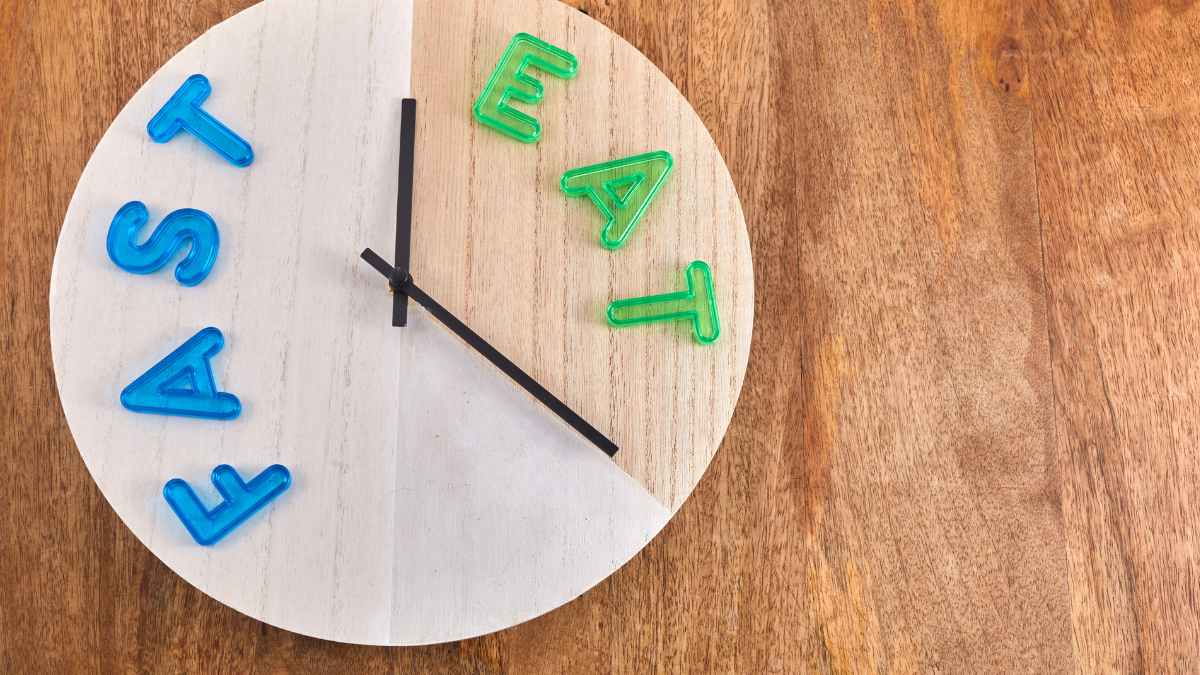
Fasting has gained popularity as a method for weight loss, detoxification, and improved metabolic health. However, many individuals experience unexpected changes in their body, particularly in the abdominal area, leading them to question why their stomach appears to be getting bigger during fasting. Understanding the physiological processes at play can help demystify these changes and provide insight into how fasting affects the body.
Understanding the Physiology of Fasting and Digestion
Fasting triggers a complex series of physiological responses in the body. During the initial stages of fasting, the body shifts from using glucose as its primary energy source to utilizing stored fat. This metabolic transition can lead to temporary changes in body composition and fluid distribution. As the body begins to adapt to fasting, it may retain more water, which can contribute to a feeling of bloating or fullness in the stomach.
Moreover, the digestive system undergoes significant changes during fasting. The stomach may produce more gastric acid in anticipation of food intake, even when no food is consumed. This excess acid can lead to discomfort and a sensation of fullness, which may be perceived as an increase in stomach size. Additionally, the gut may become more sensitive during fasting, leading to increased gas production and bloating.
Another factor to consider is the potential for overeating during non-fasting periods. When individuals break their fast, they may consume larger meals than usual, leading to temporary distension of the stomach. This can create a cycle where the stomach appears larger due to both the physiological effects of fasting and the impact of dietary choices made during feeding windows.
Lastly, the psychological aspect of fasting can also play a role. Individuals may become hyper-aware of their body and its changes, leading to increased perception of stomach size. This heightened awareness can create a feedback loop that exacerbates feelings of bloating and discomfort, further complicating the fasting experience.
The Role of Water Retention During Extended Fasting
One of the most common reasons for an increase in stomach size during fasting is water retention. When the body is deprived of food, it may respond by holding onto water to conserve resources. This retention can be influenced by several factors, including electrolyte balance, hormonal fluctuations, and the body’s stress response.
During fasting, particularly extended fasting, the body may experience changes in sodium and potassium levels, which are crucial for maintaining fluid balance. An imbalance in these electrolytes can lead to increased water retention, causing the stomach to appear bloated or distended. This phenomenon is often temporary and may resolve once normal eating resumes and the body re-establishes its electrolyte balance.
Furthermore, the stress hormone cortisol can increase during fasting, leading to water retention as well. Elevated cortisol levels can stimulate the kidneys to retain sodium, which in turn causes the body to hold onto water. This can result in a noticeable increase in stomach size, particularly in individuals who are already predisposed to water retention.
It’s important to note that while water retention can contribute to a larger stomach appearance, it is typically a transient condition. Once normal eating patterns are resumed, and the body rebalances its fluids, the bloating often subsides. Staying hydrated during fasting can also help mitigate water retention and its associated effects.
Impact of Hormonal Changes on Abdominal Distension
Fasting can lead to significant hormonal changes that may influence abdominal distension. One of the key hormones involved is insulin, which plays a critical role in regulating blood sugar levels and fat storage. During fasting, insulin levels drop, promoting fat breakdown for energy. However, when food is reintroduced, insulin levels spike, which can lead to temporary water retention and abdominal bloating.
Additionally, the hormone ghrelin, known as the hunger hormone, increases during fasting. Elevated ghrelin levels can stimulate appetite and lead to overeating during feeding periods, contributing to a feeling of fullness and potential distension of the stomach. This cycle of fasting and subsequent overeating can create a perception of a larger stomach, particularly if individuals consume high volumes of food after breaking their fast.
Another hormone, leptin, which regulates energy balance and appetite, may also be affected by fasting. Changes in leptin levels can influence hunger and satiety signals, leading individuals to consume more food than necessary during feeding periods. This can exacerbate feelings of bloating and may contribute to the perception of an enlarged stomach.
Finally, hormonal fluctuations related to stress and emotional eating can further complicate the situation. Stress can lead to increased cortisol production, which not only promotes water retention but may also trigger cravings for high-calorie foods, leading to overeating and further abdominal distension.
Dietary Choices: Fasting vs. Non-Fasting Periods
The foods consumed during non-fasting periods can significantly impact stomach size and bloating. Many individuals may gravitate towards high-carbohydrate or high-sodium foods after a fasting period, both of which can contribute to water retention and bloating. Foods rich in carbohydrates can cause the body to store more glycogen, which is bound to water. This can lead to an increase in stomach size, especially if large quantities are consumed.
In addition, processed foods that are high in sodium can exacerbate water retention. Sodium attracts water, and consuming salty foods can lead to an increase in fluid volume in the body, contributing to a bloated appearance. Choosing whole, unprocessed foods during non-fasting periods can help mitigate these effects and promote a more stable digestive environment.
Moreover, the timing and frequency of meals can play a role in stomach distension. Eating large meals infrequently may lead to greater feelings of fullness and bloating compared to smaller, more frequent meals. This is particularly relevant for individuals who may overindulge after a fasting period, leading to discomfort and a perception of a larger stomach.
Lastly, the types of beverages consumed during non-fasting periods can also influence stomach size. Carbonated drinks, for example, can introduce gas into the digestive system, leading to bloating. Staying mindful of beverage choices and opting for hydrating, non-carbonated options can help reduce feelings of fullness and abdominal distension.
The Influence of Gut Microbiota on Stomach Size
The gut microbiota plays a crucial role in digestion and can influence stomach size and bloating. Fasting can alter the composition of gut bacteria, which may affect how food is processed and how gases are produced during digestion. A healthy balance of gut microbiota is essential for optimal digestion and can help prevent bloating and discomfort.
During fasting, the diversity of gut bacteria may decrease, leading to an imbalance that can result in increased gas production and bloating. This can be particularly pronounced when individuals break their fast and consume foods that their altered gut microbiota may struggle to digest effectively. This can create a cycle of discomfort and perceived stomach enlargement.
Furthermore, the introduction of certain foods after a fasting period can also impact gut health. Foods high in fiber, for example, can promote a healthy gut microbiome but may also lead to increased gas production, particularly if introduced too quickly after fasting. Gradually reintroducing fiber-rich foods can help mitigate bloating and support gut health.
Finally, the relationship between gut health and inflammation cannot be overlooked. An unhealthy gut microbiome can contribute to systemic inflammation, which may manifest as abdominal discomfort and bloating. Maintaining a balanced diet rich in prebiotics and probiotics can support gut health and help manage stomach size during fasting and non-fasting periods.
When to Seek Medical Advice for Abdominal Changes
While many factors contribute to an increase in stomach size during fasting, there are instances when medical advice should be sought. If abdominal distension is accompanied by severe pain, persistent bloating, or changes in bowel habits, it may indicate an underlying health issue that requires attention. Conditions such as gastrointestinal disorders, food intolerances, or infections can manifest as significant changes in stomach size and discomfort.
Additionally, if the changes in stomach size are accompanied by unintentional weight loss, fatigue, or other systemic symptoms, it is important to consult a healthcare professional. These signs may suggest a more serious condition that requires further investigation and management.
Individuals with pre-existing health conditions, such as irritable bowel syndrome (IBS) or other gastrointestinal disorders, should also be vigilant about changes in abdominal size and discomfort during fasting. These conditions can be exacerbated by fasting and may require tailored dietary strategies to manage symptoms effectively.
Finally, if there is a noticeable and persistent change in body composition or abdominal size that does not resolve with dietary adjustments or lifestyle changes, seeking medical advice is essential. A healthcare provider can conduct a thorough assessment, provide guidance on appropriate dietary practices, and rule out any potential health concerns.
Conclusions:
Experiencing an increase in stomach size during fasting can be attributed to various physiological, hormonal, and dietary factors. Understanding these influences can help individuals navigate their fasting journeys more effectively. By making mindful dietary choices, staying hydrated, and paying attention to gut health, many of the uncomfortable symptoms associated with fasting can be managed. However, it is crucial to remain vigilant about any significant changes in abdominal size and seek medical advice when necessary.
Read more:
- National Institute of Diabetes and Digestive and Kidney Diseases – Comprehensive information on digestive health and fasting effects.
- Harvard Health Publishing – Articles on the impact of diet and fasting on gut health.
- Mayo Clinic – Resources on gastrointestinal disorders and when to seek medical help.
- Cleveland Clinic – Insights on the role of hormones in digestion and fasting.
- WebMD – Information on water retention and its effects on the body during fasting.