
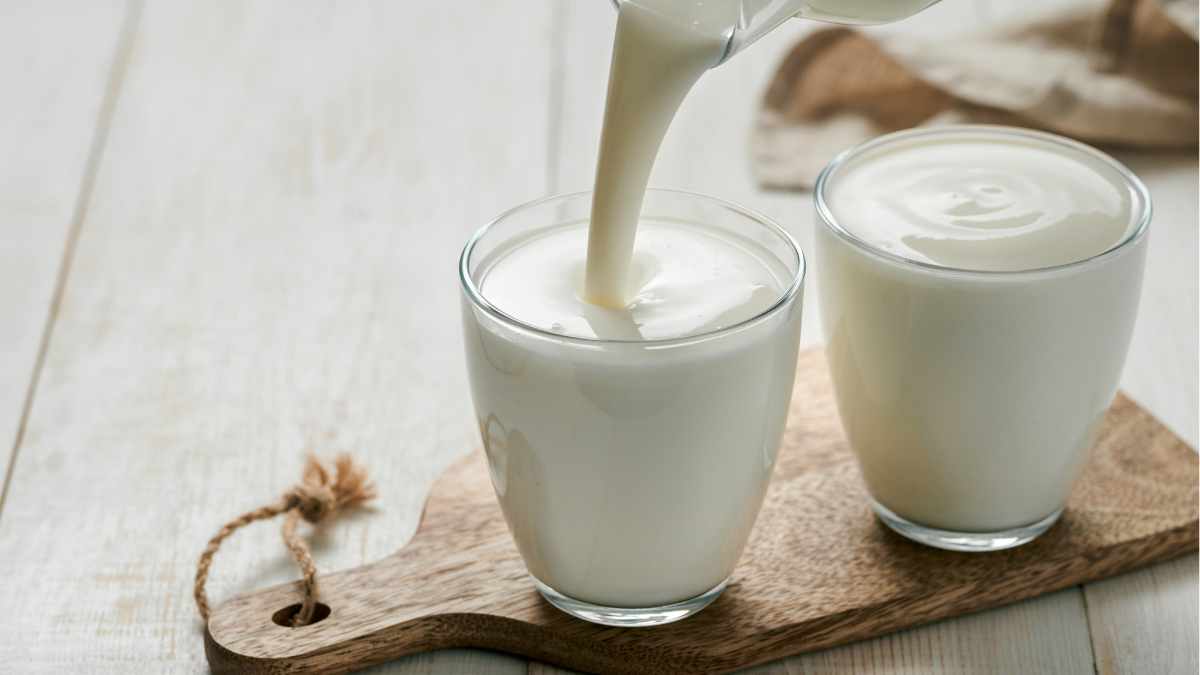

Introduction: The consumption of kefir, a fermented milk beverage, has surged in popularity due to its numerous health benefits. However, one aspect that often raises questions is its alcohol content. This article delves into the technical aspects of alcohol content in kefir, exploring its fermentation process, measurement techniques, influencing factors, health implications, and regulatory standards.
Introduction to Kefir and Its Alcohol Content
Kefir is a fermented dairy product that originates from the Caucasus region and has been consumed for centuries. It is made by fermenting milk with kefir grains, which are a symbiotic culture of bacteria and yeast (SCOBY). This fermentation process not only imparts a tangy flavor and creamy texture to the beverage but also produces a small amount of alcohol.
The presence of alcohol in kefir is a natural byproduct of fermentation. During this process, the yeast in the kefir grains metabolizes the lactose in milk, producing ethanol and carbon dioxide. While the alcohol content in kefir is generally low, it can vary depending on several factors, including the fermentation time and temperature.
Understanding the alcohol content in kefir is crucial for various reasons. For consumers, it is important to know whether the levels are safe for consumption, especially for individuals who are sensitive to alcohol or those who avoid it for religious or health reasons. For producers, maintaining consistent alcohol levels ensures product quality and compliance with regulatory standards.
Despite its low alcohol content, kefir is often subject to scrutiny and misconceptions. Some people mistakenly believe that kefir contains high levels of alcohol, similar to alcoholic beverages. However, the reality is that the alcohol content in kefir is typically much lower, often comparable to that found in non-alcoholic beers or overripe fruits.
In this article, we will explore the technical aspects of alcohol content in kefir, providing a comprehensive understanding of how it is produced, measured, and regulated. By examining the factors that influence alcohol levels and the potential health implications, we aim to provide a clear and accurate picture of this fermented beverage.
Fermentation Process and Alcohol Production
The fermentation process in kefir involves a complex interaction between bacteria and yeast. Kefir grains contain a diverse microbial community, including lactic acid bacteria (LAB) and yeast, which work together to ferment the lactose in milk. The LAB primarily produce lactic acid, which gives kefir its characteristic tangy taste, while the yeast produce ethanol and carbon dioxide.
During fermentation, the yeast metabolize the lactose through a process called alcoholic fermentation. This involves the conversion of lactose into glucose and galactose, which are then further broken down into ethanol and carbon dioxide. The amount of alcohol produced depends on various factors, including the types of yeast present, the fermentation conditions, and the duration of fermentation.
The initial stages of fermentation are dominated by LAB, which lower the pH of the milk and create an acidic environment. This acidic environment inhibits the growth of spoilage organisms and promotes the activity of the yeast. As fermentation progresses, the yeast become more active and start producing ethanol. The ethanol concentration typically increases over time but remains relatively low compared to alcoholic beverages.
Temperature plays a significant role in the fermentation process and the production of alcohol. Higher temperatures generally accelerate fermentation, leading to higher alcohol levels. Conversely, lower temperatures slow down the fermentation process, resulting in lower alcohol content. Therefore, controlling the fermentation temperature is crucial for managing the alcohol levels in kefir.
The duration of fermentation also affects the alcohol content. Longer fermentation times allow more time for the yeast to produce ethanol, resulting in higher alcohol levels. However, excessively long fermentation can lead to over-fermentation, which may produce off-flavors and affect the overall quality of the kefir. Therefore, finding the optimal fermentation time is essential for balancing flavor and alcohol content.
In addition to temperature and time, the composition of the kefir grains and the milk used can influence the fermentation process and alcohol production. Different strains of yeast and bacteria have varying metabolic activities, which can impact the amount of ethanol produced. Similarly, the nutrient content of the milk, such as its lactose concentration, can affect the fermentation dynamics and alcohol levels.
Measuring Alcohol Levels in Kefir
Measuring the alcohol content in kefir requires precise and reliable analytical techniques. One of the most commonly used methods is gas chromatography (GC), which separates and quantifies the volatile compounds in a sample. GC is highly sensitive and can detect even trace amounts of ethanol, making it suitable for analyzing the low alcohol levels typically found in kefir.
Another method for measuring alcohol content is high-performance liquid chromatography (HPLC). HPLC separates the components of a sample based on their interactions with a stationary phase and a mobile phase. This technique is also highly accurate and can be used to quantify ethanol in kefir. Both GC and HPLC require specialized equipment and trained personnel to perform the analysis.
In addition to chromatographic techniques, enzymatic assays can be used to measure alcohol levels in kefir. These assays involve the use of specific enzymes that react with ethanol to produce a measurable signal, such as a color change or fluorescence. Enzymatic assays are relatively simple and can be performed in a standard laboratory setting, making them accessible for routine analysis.
For producers and consumers who do not have access to advanced analytical equipment, there are also semi-quantitative methods available. Alcohol test strips and handheld alcohol meters can provide an estimate of the alcohol content in kefir. While these methods are less accurate than chromatographic techniques, they offer a convenient and cost-effective way to monitor alcohol levels.
It is important to note that the alcohol content in kefir can vary between batches and even within a single batch. Therefore, multiple samples should be tested to obtain a representative measurement. Additionally, the alcohol content may change over time, especially if the kefir is stored at room temperature. Regular monitoring is essential to ensure that the alcohol levels remain within the desired range.
Accurate measurement of alcohol content is not only important for quality control but also for regulatory compliance. Different countries have specific regulations regarding the permissible alcohol levels in non-alcoholic beverages, including kefir. Producers must adhere to these standards to ensure that their products are safe and legally compliant.
Factors Influencing Alcohol Content in Kefir
Several factors can influence the alcohol content in kefir, including the fermentation conditions, the composition of the kefir grains, and the type of milk used. Understanding these factors is essential for controlling and optimizing the alcohol levels in kefir production.
One of the primary factors affecting alcohol content is the fermentation temperature. Higher temperatures generally accelerate the metabolic activities of the yeast, leading to increased ethanol production. Conversely, lower temperatures slow down fermentation and result in lower alcohol levels. Therefore, maintaining a consistent and optimal fermentation temperature is crucial for managing alcohol content.
The duration of fermentation also plays a significant role in determining the alcohol levels in kefir. Longer fermentation times allow more time for the yeast to produce ethanol, resulting in higher alcohol content. However, excessively long fermentation can lead to over-fermentation, which may produce off-flavors and affect the overall quality of the kefir. Finding the right balance between fermentation time and alcohol content is essential for producing high-quality kefir.
The composition of the kefir grains can also influence the alcohol content. Different strains of yeast and bacteria have varying metabolic activities, which can impact the amount of ethanol produced. For example, some yeast strains are more efficient at converting lactose to ethanol, leading to higher alcohol levels. Therefore, selecting the appropriate kefir grains with the desired microbial composition is important for controlling alcohol content.
The type of milk used for fermentation can also affect the alcohol levels in kefir. Milk with higher lactose content provides more substrate for the yeast to metabolize, resulting in increased ethanol production. Additionally, the nutrient composition of the milk, such as its protein and fat content, can influence the fermentation dynamics and alcohol levels. Therefore, the choice of milk is an important consideration in kefir production.
Other factors that can influence alcohol content include the initial microbial population in the milk, the presence of oxygen during fermentation, and the storage conditions of the kefir. For example, exposure to oxygen can promote the growth of aerobic bacteria, which can compete with the yeast and reduce ethanol production. Similarly, improper storage conditions, such as high temperatures, can lead to further fermentation and increased alcohol levels.
By understanding and controlling these factors, producers can optimize the fermentation process and achieve the desired alcohol content in kefir. This not only ensures product quality and consistency but also helps in meeting regulatory standards and consumer expectations.
Health Implications of Alcohol in Kefir
The alcohol content in kefir, while generally low, can have health implications for certain individuals. Understanding these implications is important for making informed decisions about kefir consumption, especially for those who are sensitive to alcohol or have specific health conditions.
For most people, the low alcohol content in kefir is unlikely to cause any adverse effects. The typical alcohol concentration in kefir ranges from 0.2% to 2%, which is comparable to the alcohol content found in non-alcoholic beers and overripe fruits. At these levels, the amount of alcohol consumed from a serving of kefir is minimal and is unlikely to have significant physiological effects.
However, individuals who are particularly sensitive to alcohol, such as those with alcohol intolerance or certain medical conditions, may need to be cautious. Even small amounts of alcohol can trigger adverse reactions in these individuals, including flushing, nausea, and headaches. For such individuals, it may be advisable to consult a healthcare professional before consuming kefir.
Pregnant and breastfeeding women are often advised to limit their alcohol intake due to potential risks to the developing fetus or infant. While the alcohol content in kefir is low, it is still important for these individuals to be aware of the presence of alcohol and to consider their overall alcohol consumption. Consulting a healthcare provider can help in making informed decisions about kefir consumption during pregnancy and breastfeeding.
For individuals who abstain from alcohol for religious or personal reasons, the presence of alcohol in kefir may be a concern. It is important for these individuals to be aware of the alcohol content and to choose kefir products that meet their dietary preferences and restrictions. Some producers offer kefir with reduced or negligible alcohol content, which can be a suitable option for those who avoid alcohol.
On the positive side, the fermentation process that produces alcohol in kefir also generates beneficial compounds, such as probiotics, vitamins, and bioactive peptides. These compounds contribute to the health benefits of kefir, including improved digestion, enhanced immune function, and potential anti-inflammatory effects. Therefore, the overall health benefits of kefir may outweigh the minimal alcohol content for many individuals.
In summary, while the alcohol content in kefir is generally low and unlikely to cause harm for most people, certain individuals may need to exercise caution. Understanding the potential health implications and consulting healthcare professionals can help in making informed decisions about kefir consumption.
Regulatory Standards for Kefir Alcohol Content
Regulatory standards for the alcohol content in kefir vary by country and region. These standards are established to ensure consumer safety and product quality, and they provide guidelines for producers to follow in kefir production.
In the European Union, kefir is classified as a non-alcoholic beverage if its alcohol content does not exceed 1.2% by volume. This means that kefir products with alcohol levels below this threshold can be sold as non-alcoholic beverages. Producers must ensure that their products comply with this standard to avoid regulatory issues and to provide accurate labeling information to consumers.
In the United States, the Food and Drug Administration (FDA) does not have specific regulations for the alcohol content in kefir. However, kefir is generally considered a non-alcoholic beverage if its alcohol content is below 0.5% by volume. Products with higher alcohol levels may be subject to additional regulations and labeling requirements. Producers must be aware of these guidelines to ensure compliance with FDA regulations.
In Canada, kefir is regulated under the Food and Drug Regulations, which classify beverages with an alcohol content of less than 1.1% by volume as non-alcoholic. This means that kefir products with alcohol levels below this threshold can be sold as non-alcoholic beverages. Producers must adhere to these regulations to ensure that their products are safe and legally compliant.
In Australia and New Zealand, the Food Standards Code sets the maximum permissible alcohol content for non-alcoholic beverages at 0.5% by volume. Kefir products with alcohol levels below this threshold can be sold as non-alcoholic beverages. Producers must ensure that their products meet this standard to comply with food safety regulations and to provide accurate labeling information to consumers.
In addition to these regulatory standards, some countries have specific labeling requirements for kefir products. For example, in the European Union, kefir labels must include information about the presence of alcohol if the content exceeds 0.5% by volume. This ensures that consumers are informed about the alcohol content and can make informed decisions about their purchases.
Producers must stay informed about the regulatory standards and labeling requirements in their respective markets. Regular testing and monitoring of alcohol levels in kefir are essential to ensure compliance with these standards and to maintain product quality and consumer trust.
Conclusion: Understanding the alcohol content in kefir involves a comprehensive analysis of its fermentation process, measurement techniques, influencing factors, health implications, and regulatory standards. While the alcohol levels in kefir are generally low, they can vary depending on several factors. Accurate measurement and control of alcohol content are crucial for ensuring product quality and compliance with regulatory standards. By understanding the potential health implications and adhering to regulatory guidelines, producers can provide safe and high-quality kefir products to consumers.
Read More…
- Kefir Fermentation and Alcohol Content: A detailed study on the fermentation process of kefir and the factors influencing alcohol production.
- Gas Chromatography in Alcohol Analysis: An overview of the use of gas chromatography for measuring alcohol content in beverages.
- Health Benefits and Risks of Kefir: A comprehensive review of the health implications of consuming kefir, including its alcohol content.
- Regulatory Standards for Non-Alcoholic Beverages: Information on the regulatory standards for alcohol content in non-alcoholic beverages in the European Union.
- Fermentation Temperature and Alcohol Production: A study on how fermentation temperature affects alcohol production in fermented beverages.