

Introduction: In the world of fermented dairy products, kefir and buttermilk stand out as two popular choices. Both are celebrated for their unique flavors, textures, and health benefits. However, they differ significantly in their nutritional profiles, fermentation processes, and overall sensory experiences. This article delves into a comparative taste analysis of kefir and buttermilk, exploring their distinct characteristics and benefits.
Introduction to Kefir and Buttermilk
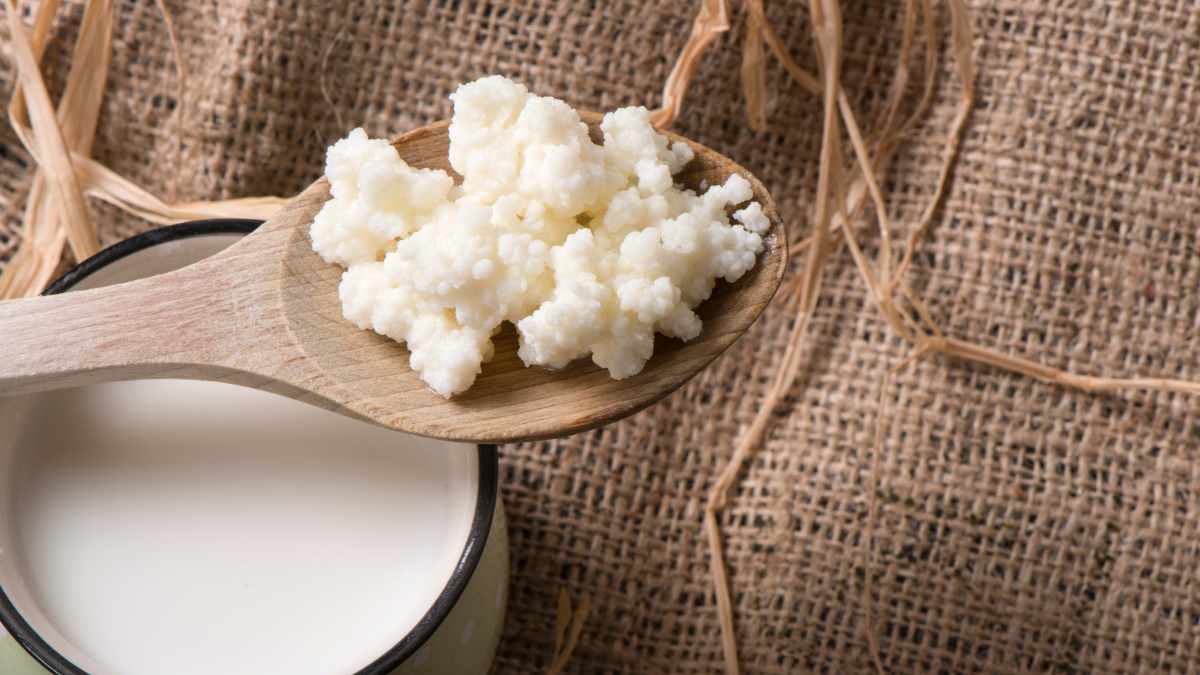
Kefir, originating from the Caucasus Mountains, is a fermented milk drink known for its tangy flavor and effervescent texture. It is made by adding kefir grains, a symbiotic culture of bacteria and yeast (SCOBY), to milk. This ancient beverage has gained popularity worldwide due to its rich probiotic content and numerous health benefits.
Buttermilk, on the other hand, has its roots in traditional butter-making processes. Originally, it was the liquid left behind after churning butter from cream. Modern buttermilk, however, is typically cultured, meaning it is produced by adding bacterial cultures to milk, which ferment the lactose and give it a slightly sour taste. It is a staple in many culinary traditions, especially in baking and cooking.
Both kefir and buttermilk are valued for their digestive health benefits, but they cater to different taste preferences and culinary uses. While kefir is often consumed as a beverage, buttermilk is frequently used as an ingredient in recipes. Understanding their differences can help consumers make informed choices based on their dietary needs and taste preferences.
The fermentation process for both kefir and buttermilk not only enhances their flavors but also increases their nutritional value. Fermentation breaks down lactose, making these products more digestible for individuals who are lactose intolerant. Additionally, the probiotics produced during fermentation contribute to gut health.
In this article, we will explore the nutritional profiles, fermentation processes, taste and texture, and health benefits of kefir and buttermilk. By the end, you will have a comprehensive understanding of how these two fermented dairy products compare and which might be better suited to your dietary and culinary needs.
Nutritional Profile Comparison
Kefir is a powerhouse of nutrients, offering a rich source of protein, calcium, and vitamins, particularly B vitamins and vitamin K2. It is also abundant in probiotics, which are beneficial bacteria that support gut health. A typical serving of kefir provides a substantial amount of daily calcium and protein requirements, making it a nutritious addition to any diet.
Buttermilk, while also nutritious, has a slightly different profile. It is lower in fat compared to kefir, especially if made from low-fat or skim milk. Buttermilk is a good source of calcium, potassium, and vitamins such as B12 and riboflavin. However, it generally contains fewer probiotics than kefir due to the differences in fermentation processes.
One key difference in the nutritional profiles of kefir and buttermilk is their protein content. Kefir tends to have higher protein levels, which can be beneficial for muscle repair and growth. Buttermilk, while still providing protein, is often chosen for its lower calorie and fat content, making it a lighter option.
Both kefir and buttermilk are low in lactose due to the fermentation process, which breaks down most of the lactose present in milk. This makes them suitable for individuals with lactose intolerance. However, the extent of lactose reduction can vary, with kefir often having lower lactose levels due to its longer fermentation period.
In terms of calorie content, kefir can be slightly higher due to its richer composition. Buttermilk, especially when made from low-fat milk, tends to be lower in calories, making it a preferred choice for those monitoring their caloric intake. Despite these differences, both beverages offer a range of essential nutrients that contribute to a balanced diet.
Overall, while both kefir and buttermilk are nutritious, kefir stands out for its higher probiotic content and protein levels, whereas buttermilk is appreciated for its lower fat and calorie content. The choice between the two can depend on individual nutritional needs and dietary goals.
Fermentation Process Differences
The fermentation process of kefir involves the use of kefir grains, which are a complex symbiotic culture of bacteria and yeast (SCOBY). These grains are added to milk and left to ferment at room temperature for about 24 to 48 hours. During this time, the bacteria and yeast in the grains break down the lactose in the milk, producing lactic acid, carbon dioxide, and a small amount of alcohol, which contributes to kefir’s unique tangy and slightly fizzy taste.
Buttermilk fermentation, on the other hand, typically involves the use of specific bacterial cultures such as Lactococcus lactis and Leuconostoc mesenteroides. These cultures are added to milk and allowed to ferment for several hours at a controlled temperature. The bacteria convert lactose into lactic acid, which thickens the milk and gives buttermilk its characteristic tangy flavor. Unlike kefir, buttermilk does not involve yeast, so it lacks the effervescence found in kefir.
One of the main differences between the fermentation processes of kefir and buttermilk is the duration and temperature at which fermentation occurs. Kefir fermentation is relatively quick and occurs at room temperature, while buttermilk fermentation is slower and typically takes place at a cooler temperature. This difference in fermentation time and temperature affects the final taste and texture of the products.
The microbial diversity in kefir is significantly higher than in buttermilk due to the presence of both bacteria and yeast in kefir grains. This diversity contributes to the complex flavor profile and higher probiotic content of kefir. Buttermilk, while still beneficial, has a more straightforward bacterial composition, resulting in a milder taste and fewer probiotics.
Another key difference is the alcohol content. Kefir can contain a small amount of alcohol (usually less than 1%) due to the yeast fermentation. This is generally not present in buttermilk, making buttermilk a non-alcoholic option. This difference can be a deciding factor for individuals who prefer to avoid even trace amounts of alcohol.
In summary, the fermentation processes of kefir and buttermilk are distinct, leading to differences in taste, texture, and probiotic content. Kefir’s complex fermentation process results in a tangy, effervescent drink with a high probiotic count, while buttermilk’s simpler fermentation process produces a tangy, smooth beverage with fewer probiotics.
Taste and Texture Analysis
Kefir is known for its unique taste, which can be described as tangy, slightly sour, and effervescent. The presence of yeast in kefir grains contributes to its mild fizziness, which sets it apart from other fermented dairy products. This effervescence, combined with its tangy flavor, makes kefir a refreshing beverage that is often enjoyed on its own or blended into smoothies.
The texture of kefir is also distinctive. It is thicker than milk but thinner than yogurt, with a smooth and slightly creamy consistency. The fermentation process can sometimes result in small curds, giving kefir a slightly grainy texture. This texture can vary depending on the fermentation time and the type of milk used.
Buttermilk, in contrast, has a milder taste compared to kefir. It is tangy and slightly sour, but without the effervescence found in kefir. The absence of yeast in the fermentation process means that buttermilk lacks the fizzy quality of kefir, resulting in a smoother and more consistent flavor profile. This makes buttermilk a versatile ingredient in both sweet and savory dishes.
The texture of buttermilk is smooth and creamy, similar to that of kefir but without the graininess. It is thicker than regular milk but not as thick as yogurt, making it easy to incorporate into recipes. Buttermilk’s smooth texture and mild tanginess make it a popular choice for baking, where it can add moisture and a subtle flavor to baked goods.
When comparing the taste and texture of kefir and buttermilk, personal preference plays a significant role. Some people may prefer the tangy, effervescent quality of kefir, while others may favor the milder, smoother taste of buttermilk. Both beverages offer unique sensory experiences that can enhance a variety of culinary applications.
In culinary uses, kefir’s tangy and effervescent nature makes it a great addition to smoothies, salad dressings, and marinades. Buttermilk, with its smooth texture and mild tanginess, is often used in baking recipes such as pancakes, biscuits, and cakes, where it can help achieve a tender crumb and light texture.
Ultimately, the choice between kefir and buttermilk comes down to individual taste preferences and the desired culinary application. Both offer unique flavors and textures that can enhance a wide range of dishes, from beverages to baked goods.
Health Benefits and Probiotics
Kefir is renowned for its high probiotic content, which is one of its most significant health benefits. Probiotics are beneficial bacteria that support gut health by promoting a healthy balance of gut microbiota. Regular consumption of kefir can help improve digestion, boost the immune system, and may even have anti-inflammatory properties. The diverse microbial composition of kefir, which includes multiple strains of bacteria and yeast, contributes to its potent probiotic effects.
Buttermilk, while also containing probiotics, generally has a lower probiotic content compared to kefir. The specific bacterial cultures used in buttermilk fermentation, such as Lactococcus lactis, provide some probiotic benefits, but the overall diversity and quantity of probiotics are less than in kefir. However, buttermilk still supports digestive health and can be a good option for those seeking a milder probiotic boost.
Both kefir and buttermilk are rich in essential nutrients such as calcium, which is crucial for bone health. They also provide a good source of protein, which is important for muscle repair and growth. The fermentation process enhances the bioavailability of these nutrients, making them easier for the body to absorb and utilize.
Kefir has been studied for its potential health benefits beyond gut health. Some research suggests that kefir may have antimicrobial properties, help lower cholesterol levels, and support cardiovascular health. Additionally, the presence of bioactive compounds in kefir, such as peptides and polysaccharides, may contribute to its health-promoting effects.
Buttermilk also offers health benefits, particularly due to its lower fat content and high levels of vitamins such as B12 and riboflavin. These vitamins play essential roles in energy metabolism and overall health. Buttermilk’s lower calorie content makes it a suitable option for those looking to manage their weight while still enjoying the benefits of fermented dairy products.
In conclusion, both kefir and buttermilk offer health benefits, with kefir standing out for its higher probiotic content and potential additional health-promoting properties. Buttermilk, with its lower fat and calorie content, provides a lighter alternative while still supporting digestive health and nutrient intake. The choice between the two can depend on individual health goals and dietary preferences.
Conclusion: Kefir vs. Buttermilk
In the comparative taste analysis of kefir and buttermilk, both fermented dairy products offer unique flavors, textures, and health benefits. Kefir, with its tangy, effervescent taste and high probiotic content, is a powerhouse of nutrients and beneficial bacteria. Its complex fermentation process and diverse microbial composition make it a standout choice for those seeking a potent probiotic boost and a refreshing beverage.
Buttermilk, on the other hand, provides a milder, smoother taste with a tangy flavor that is well-suited for culinary applications, particularly in baking. Its lower fat and calorie content, combined with essential nutrients like calcium and vitamins, make it a lighter option that still supports digestive health and overall well-being.
The fermentation processes of kefir and buttermilk are distinct, leading to differences in their taste, texture, and probiotic content. Kefir’s use of kefir grains results in a more complex and diverse microbial profile, while buttermilk’s use of specific bacterial cultures produces a consistent and mild flavor.
When it comes to health benefits, kefir’s higher probiotic content and potential additional health-promoting properties give it an edge. However, buttermilk’s lower calorie and fat content make it a suitable choice for those looking to manage their weight while still enjoying the benefits of fermented dairy products.
Ultimately, the choice between kefir and buttermilk depends on individual taste preferences, dietary needs, and health goals. Both beverages offer valuable nutrients and health benefits, making them worthy additions to a balanced diet.
Incorporating either kefir or buttermilk into your diet can enhance your overall health and culinary experiences. Whether you prefer the tangy, effervescent taste of kefir or the smooth, mild flavor of buttermilk, both options provide delicious and nutritious ways to support your well-being.
Read More…
- Kefir vs. Buttermilk: What’s the Difference? – A detailed comparison of kefir and buttermilk, exploring their origins, nutritional profiles, and health benefits. Link
- The Health Benefits of Kefir – An in-depth look at the various health benefits of kefir, including its probiotic content and potential health-promoting properties. Link
- Buttermilk: Nutrition, Benefits, and How to Make It – A comprehensive guide to buttermilk, covering its nutritional value, health benefits, and culinary uses. Link
- Probiotics and Their Health Benefits – An article discussing the role of probiotics in gut health and overall well-being, with a focus on fermented dairy products like kefir and buttermilk. Link
- Fermented Foods and Their Benefits – A broader look at various fermented foods, including kefir and buttermilk, and their contributions to health and nutrition. Link