
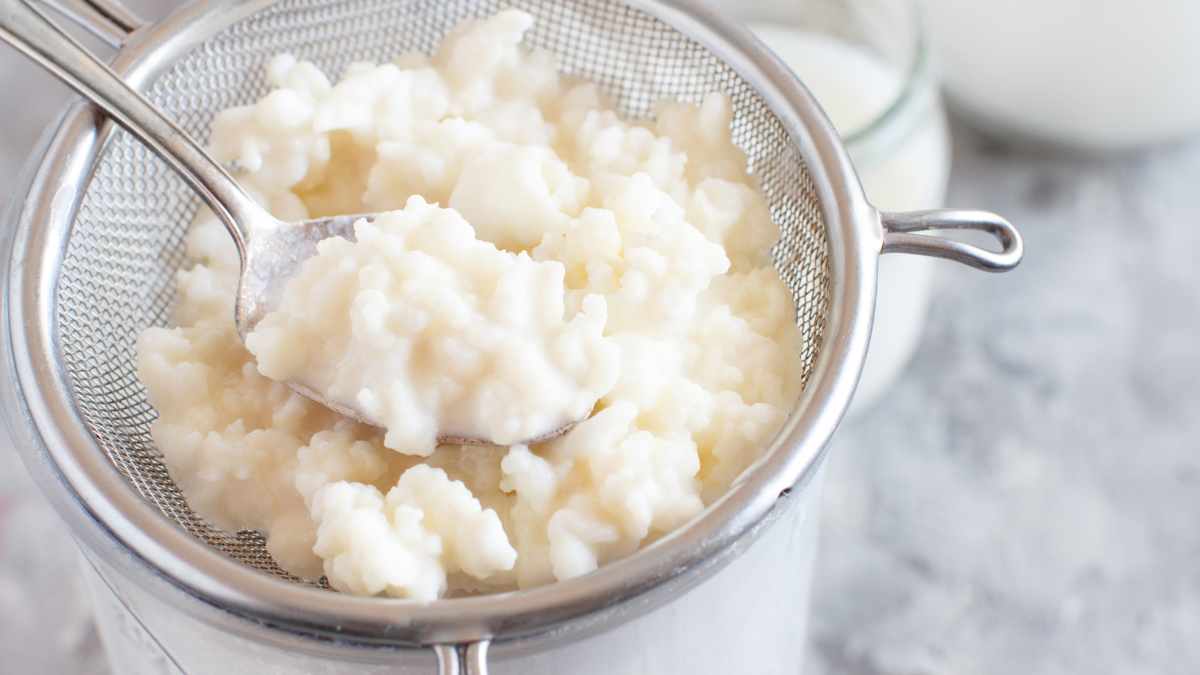

Introduction: In the world of fermented dairy products, buttermilk and kefir stand out for their unique flavors, textures, and health benefits. Both are popular in various culinary traditions and are often used interchangeably in recipes. However, they have distinct differences that set them apart. This article delves into the comparison of buttermilk and kefir, examining their nutritional profiles, fermentation processes, health benefits, taste and texture, and culinary uses.
Introduction to Buttermilk and Kefir
Buttermilk and kefir are both fermented dairy products, but they originate from different cultures and have unique characteristics. Traditional buttermilk is the liquid left behind after churning butter from cream, while cultured buttermilk is made by adding bacterial cultures to milk. Kefir, on the other hand, is produced by fermenting milk with kefir grains, which are a combination of bacteria and yeast.
Historically, buttermilk has been a staple in many Western diets, particularly in baking and cooking. It is known for its tangy flavor and slightly thick consistency. Kefir, with its origins in the Caucasus Mountains, has been consumed for centuries for its probiotic properties and is often referred to as the "champagne of milk" due to its effervescence.
Both buttermilk and kefir are valued for their probiotic content, which can aid in digestion and improve gut health. However, the types of bacteria and yeast present in each product differ, leading to variations in their health benefits and culinary applications.
Understanding the differences between buttermilk and kefir can help consumers make informed choices based on their dietary needs and preferences. This article will explore these differences in detail, providing a comprehensive comparison of the two fermented dairy products.
In the following sections, we will examine the nutritional profiles of buttermilk and kefir, their fermentation processes, health benefits, taste and texture, and culinary uses. By the end of this article, you will have a clear understanding of how buttermilk and kefir differ and how they can be incorporated into your diet.
Nutritional Profiles of Buttermilk vs Kefir
When comparing the nutritional profiles of buttermilk and kefir, it’s essential to consider their macronutrient and micronutrient content. Buttermilk is relatively low in fat and calories, making it a lighter option for those watching their caloric intake. A typical serving of buttermilk contains around 99 calories, 2.2 grams of fat, 8 grams of protein, and 12 grams of carbohydrates.
Kefir, on the other hand, is slightly higher in calories and fat due to its fermentation process. A standard serving of kefir contains approximately 150 calories, 8 grams of fat, 10 grams of protein, and 12 grams of carbohydrates. The increased fat content in kefir can be attributed to the whole milk used in its production, whereas buttermilk is often made from low-fat or skim milk.
Both buttermilk and kefir are rich in vitamins and minerals, but they differ in their specific nutrient profiles. Buttermilk is an excellent source of calcium, phosphorus, and vitamin B12, which are essential for bone health and energy metabolism. Kefir, in addition to these nutrients, contains significant amounts of vitamin K2, which plays a crucial role in bone and cardiovascular health.
One of the most notable differences between buttermilk and kefir is their probiotic content. Kefir is renowned for its high concentration of probiotics, including Lactobacillus kefiri, which can help balance the gut microbiome and improve digestive health. Buttermilk also contains probiotics, but in lower quantities and with a different bacterial composition.
In terms of lactose content, kefir has an advantage for those who are lactose intolerant. The fermentation process in kefir breaks down a significant portion of the lactose, making it easier to digest. Buttermilk, while also fermented, retains more lactose and may not be as suitable for individuals with lactose intolerance.
Overall, both buttermilk and kefir offer valuable nutrients and health benefits, but their specific profiles cater to different dietary needs and preferences. Understanding these differences can help consumers choose the product that best aligns with their nutritional goals.
Fermentation Processes: Buttermilk vs Kefir
The fermentation processes of buttermilk and kefir are distinct, leading to their unique flavors, textures, and health benefits. Traditional buttermilk is a byproduct of butter production, where the liquid left after churning cream is collected. This liquid undergoes a natural fermentation process, resulting in a tangy, slightly thick beverage. Today, most commercial buttermilk is cultured by adding specific bacterial strains, such as Lactococcus lactis and Leuconostoc mesenteroides, to pasteurized milk.
Kefir, on the other hand, is produced using kefir grains, which are a symbiotic culture of bacteria and yeast (SCOBY). These grains are added to milk, where they ferment the lactose, producing lactic acid, carbon dioxide, and a small amount of alcohol. The fermentation process for kefir typically takes 24-48 hours at room temperature, resulting in a slightly effervescent, tangy drink with a thicker consistency than buttermilk.
The bacterial cultures used in buttermilk and kefir fermentation are different, leading to variations in their probiotic content. Buttermilk primarily contains lactic acid bacteria, which contribute to its mild tanginess and creamy texture. Kefir, however, contains a broader range of probiotics, including Lactobacillus, Streptococcus, and various yeast species, which contribute to its complex flavor and potential health benefits.
Temperature and fermentation time also play crucial roles in the final characteristics of buttermilk and kefir. Buttermilk is typically fermented at a lower temperature (around 20-22°C or 68-72°F) for a longer period, resulting in a milder flavor. Kefir, with its higher fermentation temperature (around 25°C or 77°F) and shorter fermentation time, develops a more pronounced tanginess and effervescence.
The fermentation process not only affects the taste and texture of buttermilk and kefir but also their nutritional profiles. The breakdown of lactose during fermentation makes both products more digestible for individuals with lactose intolerance. Additionally, the production of bioactive compounds during fermentation can enhance the health benefits of these beverages, such as improving gut health and boosting the immune system.
In summary, the distinct fermentation processes of buttermilk and kefir result in unique flavors, textures, and health benefits. Understanding these processes can help consumers appreciate the differences between these two fermented dairy products and make informed choices based on their preferences and dietary needs.
Health Benefits: Buttermilk Compared to Kefir
Both buttermilk and kefir offer a range of health benefits, primarily due to their probiotic content and nutrient profiles. However, the specific benefits can vary based on the differences in their fermentation processes and bacterial cultures.
One of the most significant health benefits of kefir is its high probiotic content. The diverse range of bacteria and yeast in kefir can help improve gut health by promoting a balanced microbiome. This can lead to better digestion, enhanced immune function, and a reduced risk of gastrointestinal issues such as irritable bowel syndrome (IBS) and inflammatory bowel disease (IBD).
Buttermilk also contains probiotics, but in lower quantities compared to kefir. The specific strains of bacteria in buttermilk, such as Lactococcus lactis, can aid in digestion and improve lactose tolerance. However, the health benefits of buttermilk may not be as pronounced as those of kefir due to its lower probiotic content.
Both buttermilk and kefir are rich in calcium, which is essential for maintaining strong bones and teeth. They also contain other important nutrients such as phosphorus, vitamin B12, and riboflavin, which support overall health and well-being. Kefir has the added benefit of containing vitamin K2, which plays a crucial role in bone health and cardiovascular function.
The fermentation process in kefir produces bioactive compounds such as peptides and polysaccharides, which have been shown to have anti-inflammatory, antimicrobial, and antioxidant properties. These compounds can help protect against chronic diseases, boost the immune system, and improve overall health.
Buttermilk, while not as rich in bioactive compounds as kefir, still offers several health benefits. Its lower fat content makes it a suitable option for those looking to reduce their calorie intake while still enjoying a nutritious beverage. Additionally, the lactic acid bacteria in buttermilk can help improve digestion and support a healthy gut.
In conclusion, both buttermilk and kefir offer valuable health benefits, but kefir’s higher probiotic content and bioactive compounds give it an edge in terms of overall health benefits. However, buttermilk remains a nutritious and beneficial option, particularly for those looking for a lower-calorie alternative.
Taste and Texture: Buttermilk vs Kefir
The taste and texture of buttermilk and kefir are distinct, influenced by their fermentation processes and bacterial cultures. Understanding these differences can help consumers choose the product that best suits their palate and culinary needs.
Buttermilk has a tangy, slightly sour taste, which is a result of the lactic acid produced during fermentation. The texture of buttermilk is smooth and creamy, but it is thinner than kefir. Traditional buttermilk, being a byproduct of butter production, has a more nuanced flavor compared to cultured buttermilk, which is often more consistent in taste due to controlled fermentation.
Kefir, on the other hand, has a more complex flavor profile. It is tangy and slightly sour like buttermilk, but it also has a slight effervescence due to the carbon dioxide produced during fermentation. This effervescence gives kefir a unique, fizzy texture that sets it apart from buttermilk. The presence of yeast in kefir also contributes to its distinctive taste, which can be described as a combination of yogurt and mild beer.
The consistency of kefir is thicker than buttermilk, often resembling a drinkable yogurt. This thickness is due to the polysaccharides produced during fermentation, which give kefir its characteristic viscosity. The texture can vary depending on the fermentation time and the type of milk used, with longer fermentation times resulting in a thicker product.
The flavor of kefir can also be influenced by the specific strains of bacteria and yeast present in the kefir grains. This can lead to variations in taste, with some kefir being more tangy or effervescent than others. In contrast, buttermilk tends to have a more uniform flavor due to the controlled fermentation process.
Both buttermilk and kefir can be consumed on their own or used as ingredients in various recipes. Their unique flavors and textures make them versatile additions to a wide range of dishes, from baked goods to smoothies. However, the choice between buttermilk and kefir will ultimately depend on individual taste preferences and the specific culinary application.
In summary, while both buttermilk and kefir share a tangy flavor, kefir’s effervescence and thicker texture set it apart. Understanding these differences can help consumers make informed choices based on their taste preferences and culinary needs.
Culinary Uses: Buttermilk and Kefir Applications
Buttermilk and kefir are versatile ingredients that can be used in a variety of culinary applications. Their unique flavors and textures make them suitable for both sweet and savory dishes, adding complexity and depth to recipes.
Buttermilk is commonly used in baking, where its acidity helps activate baking soda, resulting in light and fluffy baked goods. It is a key ingredient in classic recipes such as buttermilk pancakes, biscuits, and cornbread. The tangy flavor of buttermilk also makes it an excellent base for marinades, particularly for poultry, as the acidity helps tenderize the meat.
In addition to baking, buttermilk can be used to make creamy dressings and sauces. Its smooth texture and tangy taste complement salads and coleslaws, adding a refreshing element to these dishes. Buttermilk can also be used in soups and stews, where it adds a subtle creaminess without the heaviness of cream.
Kefir, with its thicker texture and effervescence, is often consumed as a beverage. It can be enjoyed on its own or blended into smoothies for a probiotic-rich drink. The tangy flavor of kefir pairs well with fruits and vegetables, making it a popular choice for healthy, nutrient-dense smoothies.
In cooking, kefir can be used as a substitute for yogurt or buttermilk in recipes. Its thicker consistency makes it suitable for use in dips and spreads, where it adds a tangy flavor and creamy texture. Kefir can also be used in baking, where it functions similarly to buttermilk, helping to leaven baked goods and add moisture.
Both buttermilk and kefir can be used to make homemade fermented products, such as cheese and butter. The fermentation process in kefir can be extended to produce kefir cheese, which has a tangy flavor and creamy texture. Buttermilk can be used to culture cream for making butter, resulting in a richer, more flavorful product.
In summary, buttermilk and kefir are versatile ingredients that can enhance a wide range of dishes. Their unique flavors and textures make them valuable additions to both sweet and savory recipes, offering culinary benefits that go beyond their nutritional profiles.
Conclusion: Buttermilk and kefir are both fermented dairy products with unique characteristics that set them apart. While they share some similarities, such as their tangy flavor and probiotic content, their differences in nutritional profiles, fermentation processes, health benefits, taste, texture, and culinary uses make them distinct. Understanding these differences can help consumers make informed choices based on their dietary needs and preferences. Whether you prefer the smooth, creamy texture of buttermilk or the effervescent, tangy taste of kefir, both products offer valuable health benefits and versatile culinary applications.
Read More…
- Healthline: What Is Kefir?
- A comprehensive guide to kefir, its health benefits, and how it differs from other fermented dairy products.
- WebMD: The Benefits of Buttermilk
- An article detailing the nutritional benefits of buttermilk and its uses in cooking and baking.
- Harvard T.H. Chan School of Public Health: The Nutrition Source – Yogurt and Other Cultured Dairy Products
- A resource on the health benefits of various cultured dairy products, including buttermilk and kefir.
- National Center for Biotechnology Information (NCBI): Probiotics and Their Fermentation Processes
- A scientific article exploring the fermentation processes of probiotics and their health benefits.
- The Spruce Eats: Cooking with Buttermilk
- A guide to using buttermilk in various culinary applications, from baking to marinades.