

Se hai un abbonamento attivo ACCEDI QUI
Introduction:
Kefir, a fermented milk drink rich in probiotics, has gained popularity for its health benefits and unique taste. However, determining when your kefir is ready to drink can be a bit of a challenge, especially for beginners. This article will guide you through the essential aspects of kefir fermentation, helping you identify when your kefir is perfectly fermented and ready to enjoy.
Understanding Kefir Fermentation Basics
Kefir fermentation is a complex biochemical process involving the symbiotic relationship between bacteria and yeast. These microorganisms convert lactose in milk into lactic acid, carbon dioxide, and alcohol, creating kefir’s characteristic tangy flavor and effervescence. The primary agents of fermentation are kefir grains, which are a combination of lactic acid bacteria, acetic acid bacteria, and yeast embedded in a polysaccharide matrix.
The fermentation process begins as soon as the kefir grains are added to milk. The bacteria start to consume lactose, producing lactic acid and lowering the pH of the milk. This acidification process is crucial for the development of kefir’s flavor and texture. The yeast, on the other hand, produces carbon dioxide and small amounts of alcohol, contributing to the drink’s fizziness.
Temperature plays a significant role in kefir fermentation. Ideally, kefir should be fermented at room temperature, around 20-25°C (68-77°F). Higher temperatures speed up the fermentation process, while lower temperatures slow it down. Understanding these basics is essential for controlling the fermentation process and achieving the desired kefir quality.
The type of milk used also affects the fermentation process. Whole milk, with its higher fat content, tends to produce a creamier kefir, while low-fat or skim milk results in a thinner consistency. Additionally, the freshness and quality of the milk can impact the final product’s taste and texture.
Fermentation time is another critical factor. Typically, kefir takes 24-48 hours to ferment, but this can vary depending on the temperature, the ratio of grains to milk, and personal taste preferences. Monitoring the fermentation process closely is key to producing high-quality kefir.
Finally, the health and activity of the kefir grains are vital. Healthy grains will ferment milk more efficiently, producing a consistent and flavorful kefir. Regularly refreshing the grains by rinsing them and providing fresh milk can help maintain their vitality.
Key Indicators of Ready-to-Drink Kefir
One of the primary indicators that your kefir is ready to drink is the separation of the milk into curds and whey. This separation usually occurs towards the end of the fermentation process, signaling that the bacteria and yeast have consumed most of the lactose. The curds will appear thick and creamy, while the whey will be a clear, yellowish liquid.
Another key indicator is the change in texture. Ready-to-drink kefir should have a thick, slightly viscous consistency, similar to a drinkable yogurt. If the kefir is still too runny, it may need more time to ferment. Conversely, if it has become overly thick or gelatinous, it may have fermented for too long.
The pH level of the kefir is also a good indicator of its readiness. Kefir typically has a pH of around 4.5 when it is ready to drink. You can use pH strips or a digital pH meter to measure the acidity of your kefir. A lower pH indicates a more acidic and tangy kefir, while a higher pH suggests a milder flavor.
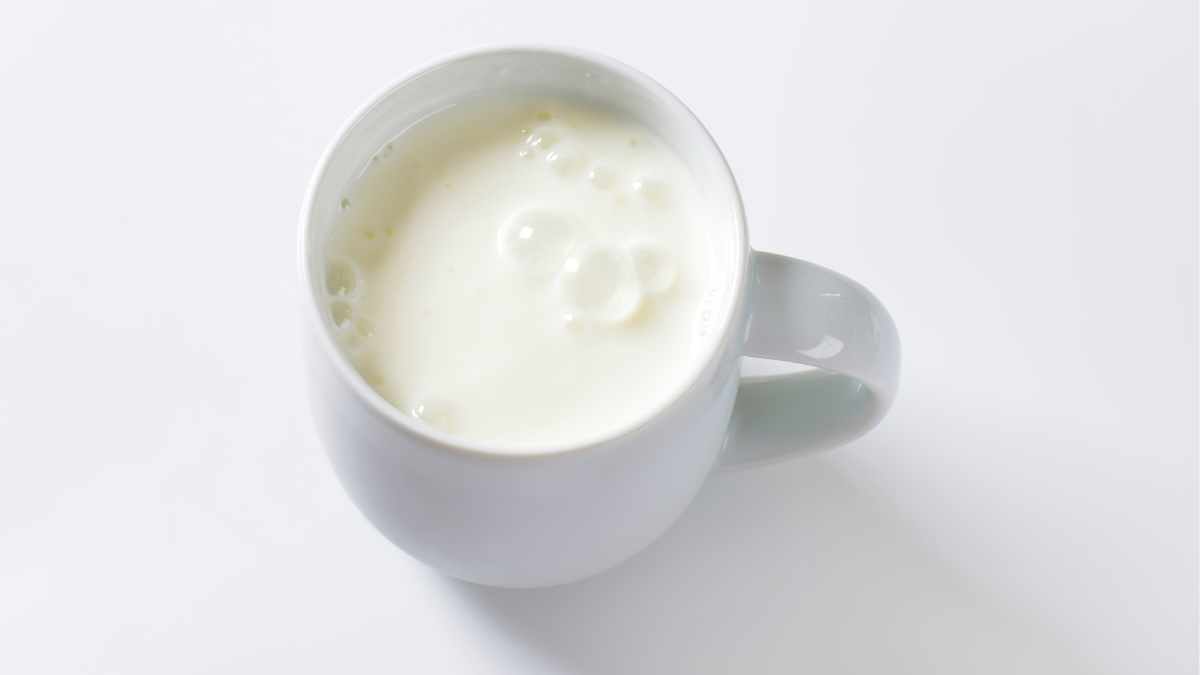
The presence of bubbles is another sign that your kefir is ready. The yeast in the kefir grains produces carbon dioxide during fermentation, creating a slight effervescence. If you notice small bubbles forming on the surface or throughout the kefir, it is likely ready to drink.
Taste is perhaps the most subjective but reliable indicator. Ready-to-drink kefir should have a balanced tangy flavor with a hint of sweetness. If it tastes too sour or yeasty, it may have over-fermented. On the other hand, if it still tastes like milk, it needs more time to ferment.
Finally, smell can also help determine if your kefir is ready. Properly fermented kefir should have a pleasant, slightly tangy aroma. If it smells off or overly sour, it may not be suitable for consumption.
Optimal Fermentation Time for Kefir
The optimal fermentation time for kefir can vary depending on several factors, including temperature, the ratio of grains to milk, and personal taste preferences. Generally, kefir takes between 24 to 48 hours to ferment at room temperature. However, this timeframe can be adjusted based on your desired flavor and consistency.
At the lower end of the fermentation spectrum, around 24 hours, the kefir will have a milder flavor and a thinner consistency. This shorter fermentation period is ideal for those who prefer a less tangy and more drinkable kefir. It also retains more lactose, making it slightly sweeter.
Extending the fermentation time to 36-48 hours results in a tangier and thicker kefir. The longer fermentation allows more lactose to be converted into lactic acid, increasing the acidity and enhancing the probiotic content. This kefir is more suitable for those who enjoy a robust, tangy flavor and a creamier texture.
If you prefer an even more intense flavor, you can ferment the kefir for up to 72 hours. However, be cautious with extended fermentation times, as the kefir can become overly sour and may separate excessively into curds and whey. It’s essential to taste and monitor the kefir regularly to avoid over-fermentation.
Temperature fluctuations can also impact fermentation time. Warmer temperatures speed up the fermentation process, while cooler temperatures slow it down. If you live in a warm climate or it’s summer, your kefir may be ready in as little as 18-24 hours. Conversely, during colder months or in cooler environments, it may take up to 48 hours or longer.
The ratio of kefir grains to milk is another variable to consider. A higher concentration of grains will ferment the milk faster, while a lower concentration will slow down the process. Adjusting the ratio allows you to fine-tune the fermentation time to achieve your preferred kefir consistency and flavor.
Ultimately, the optimal fermentation time is a matter of personal preference. Experimenting with different fermentation periods and keeping detailed notes on the results can help you determine the perfect timing for your ideal kefir.
Visual Cues: Identifying Kefir Maturity
Visual cues are essential for identifying when your kefir is mature and ready to drink. One of the first signs of kefir maturity is the appearance of bubbles. As the yeast ferments the lactose, it produces carbon dioxide, which creates small bubbles throughout the kefir. These bubbles indicate active fermentation and a developing effervescence.
Another visual cue is the separation of the milk into curds and whey. As fermentation progresses, the kefir grains break down the lactose, causing the milk to thicken and separate. The curds will form a thick, creamy layer, while the whey will appear as a clear, yellowish liquid. This separation usually occurs towards the end of the fermentation process and signals that the kefir is nearing readiness.
The consistency of the kefir is also a critical visual indicator. Ready-to-drink kefir should have a smooth, slightly viscous texture, similar to a drinkable yogurt. If the kefir is still too runny, it may need more time to ferment. Conversely, if it has become overly thick or gelatinous, it may have fermented for too long.
The color of the kefir can also provide clues about its maturity. Properly fermented kefir should have a uniform, creamy white color. Any significant discoloration, such as yellowing or browning, may indicate over-fermentation or contamination. It’s essential to discard any kefir that shows signs of spoilage.
Observing the kefir grains themselves can also help determine readiness. Healthy kefir grains should appear plump and translucent, with a gelatinous texture. If the grains look shriveled or discolored, they may not be fermenting the milk effectively, and the kefir may not be ready.
Finally, the presence of a thin, white film on the surface of the kefir can indicate maturity. This film, known as a "kefiran layer," is produced by the bacteria and yeast during fermentation. It signifies that the kefir is well-fermented and ready to drink.
Smell and Taste: Assessing Kefir Readiness
Smell and taste are perhaps the most reliable indicators of kefir readiness. Properly fermented kefir should have a pleasant, slightly tangy aroma. The smell should be fresh and clean, with a hint of yeastiness. If the kefir smells off, overly sour, or has a strong, unpleasant odor, it may not be suitable for consumption.
The taste of kefir is a crucial factor in determining its readiness. Ready-to-drink kefir should have a balanced tangy flavor with a hint of sweetness. The tanginess comes from the lactic acid produced during fermentation, while the residual lactose provides a slight sweetness. If the kefir tastes too sour or yeasty, it may have over-fermented. On the other hand, if it still tastes like milk, it needs more time to ferment.
Texture also plays a role in the taste assessment. Kefir should have a smooth, slightly viscous consistency, similar to a drinkable yogurt. If the texture is too runny or overly thick, it may indicate that the kefir is not yet ready or has over-fermented.
The effervescence of the kefir can also affect its taste. The yeast in the kefir grains produces carbon dioxide during fermentation, creating a slight fizziness. This effervescence adds a refreshing quality to the kefir and enhances its overall flavor profile. If the kefir lacks effervescence, it may need more time to ferment.
It’s essential to taste the kefir regularly during the fermentation process to monitor its development. This practice allows you to catch the kefir at its peak flavor and texture, ensuring the best possible drinking experience. Keep detailed notes on the taste and smell at different stages of fermentation to help refine your process.
Finally, personal preference plays a significant role in assessing kefir readiness. Some people prefer a milder, sweeter kefir, while others enjoy a tangier, more robust flavor. Experimenting with different fermentation times and tasting the kefir at various stages can help you determine your ideal kefir profile.
Troubleshooting Common Kefir Fermentation Issues
Despite your best efforts, kefir fermentation can sometimes go awry. One common issue is over-fermentation, which occurs when the kefir is left to ferment for too long. Over-fermented kefir can become overly sour, thick, and separated into curds and whey. To prevent over-fermentation, monitor the kefir closely and taste it regularly to catch it at the right stage.
Another issue is under-fermentation, where the kefir remains too runny and lacks the characteristic tangy flavor. This problem can occur if the temperature is too low or the ratio of grains to milk is insufficient. To address under-fermentation, ensure that the kefir is fermenting at room temperature and consider increasing the number of kefir grains.
Contamination is a more serious issue that can affect the safety and quality of your kefir. Signs of contamination include off smells, unusual colors, and mold growth. Contaminated kefir should be discarded immediately, and the kefir grains should be thoroughly rinsed and refreshed. To prevent contamination, maintain a clean fermentation environment and use fresh, high-quality milk.
If your kefir grains are not fermenting effectively, they may be unhealthy or inactive. Healthy kefir grains should appear plump and translucent, with a gelatinous texture. If the grains look shriveled or discolored, they may need to be revitalized by soaking them in fresh milk for a few days. Regularly refreshing the grains and providing them with fresh milk can help maintain their vitality.
Temperature fluctuations can also impact kefir fermentation. Consistent room temperature is ideal for fermentation, but if the temperature varies significantly, it can affect the kefir’s development. If you live in a region with extreme temperature changes, consider using a fermentation chamber or a temperature-controlled environment to ensure consistent results.
Finally, if your kefir lacks effervescence, it may be due to insufficient yeast activity. The yeast in the kefir grains produces carbon dioxide, creating the characteristic fizziness. To boost yeast activity, ensure that the kefir is fermenting at the right temperature and consider adding a small amount of sugar to the milk. This additional sugar can provide extra fuel for the yeast, enhancing the kefir’s effervescence.
Conclusion:
Determining when your kefir is ready to drink involves understanding the fermentation process, monitoring key indicators, and troubleshooting common issues. By paying attention to visual cues, smell, taste, and texture, you can ensure that your kefir is perfectly fermented and ready to enjoy. With practice and careful observation, you’ll be able to produce high-quality kefir consistently.
Read More…
- Kefir Fermentation Science: A comprehensive study on the microbiology and biochemistry of kefir fermentation.
- Optimal Conditions for Kefir Fermentation: An article discussing the ideal conditions for fermenting kefir.
- Kefir: Nutritional and Health Benefits: An overview of the health benefits associated with consuming kefir.
- Troubleshooting Kefir Fermentation: A guide to common kefir fermentation issues and their solutions.
- Kefir Grains and Their Role in Fermentation: A detailed examination of kefir grains and their function in the fermentation process.