

Se hai un abbonamento attivo ACCEDI QUI
Introduction:
Kefir, a fermented milk drink originating from the Caucasus region, has gained global popularity due to its numerous health benefits and unique flavor profile. Understanding the expected flavor profile of kefir is essential for both consumers and producers, as it influences its culinary applications and consumer acceptance. This article delves into the intricate aspects of kefir’s taste, examining the factors that shape its flavor, the role of fermentation, common flavor notes, regional variations, and ways to enhance and pair kefir flavors.
Introduction to Kefir’s Flavor Profile
Kefir is renowned for its complex and tangy flavor, which sets it apart from other fermented dairy products. The primary taste of kefir is often described as tart and slightly sour, akin to a more robust version of yogurt. This tanginess is a result of the lactic acid produced during fermentation. However, kefir’s flavor profile is not limited to sourness; it also encompasses a range of subtle notes that contribute to its overall complexity.
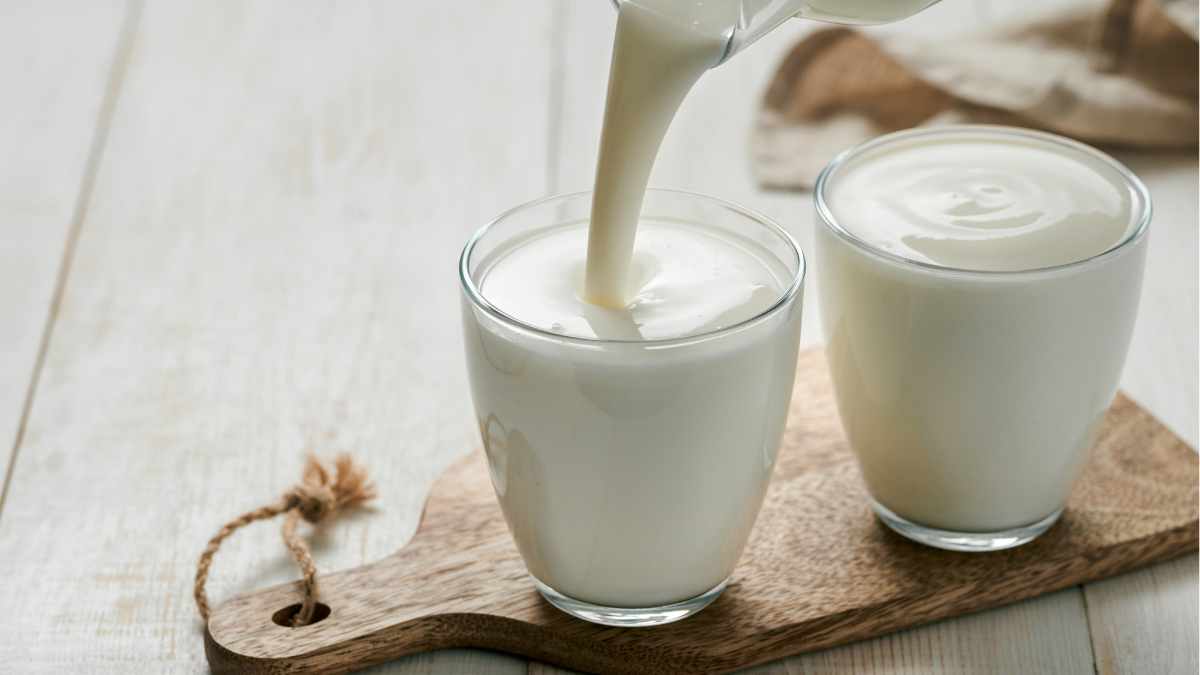
The creamy texture of kefir plays a significant role in its flavor perception. The mouthfeel can influence how flavors are experienced, with the creamy consistency providing a rich and satisfying backdrop to the tangy and effervescent notes. Additionally, the carbonation produced during fermentation adds a slight fizziness, enhancing the sensory experience.
Kefir’s flavor profile can vary depending on the type of milk used. Cow’s milk kefir tends to have a milder taste compared to goat’s milk kefir, which can be more pungent and earthy. Sheep’s milk kefir, on the other hand, often has a richer and more buttery flavor. These variations offer consumers a range of taste experiences, catering to different preferences.
The fermentation process also introduces a variety of microbial metabolites, such as acetaldehyde, diacetyl, and ethanol, which contribute to kefir’s distinctive aroma and taste. These compounds are produced by the diverse community of bacteria and yeasts present in kefir grains, each adding their unique flavor notes to the final product.
Moreover, the duration of fermentation can significantly impact kefir’s flavor. A shorter fermentation time typically results in a milder and less tangy taste, while a longer fermentation period intensifies the sourness and introduces more pronounced yeasty and cheesy notes. This variability allows for customization based on individual taste preferences.
In summary, kefir’s flavor profile is a harmonious blend of tartness, creaminess, and subtle aromatic notes, influenced by the type of milk used, the microbial community, and the fermentation duration. Understanding these elements is crucial for appreciating the full spectrum of flavors that kefir has to offer.
Factors Influencing Kefir’s Taste
Several factors influence the taste of kefir, starting with the type of milk used. The fat content, protein composition, and overall quality of the milk can all affect the final flavor. For instance, higher fat content in milk can result in a creamier and richer kefir, while lower fat milk produces a lighter and more tangy beverage.
The microbial composition of kefir grains is another critical factor. Kefir grains are a symbiotic culture of bacteria and yeasts (SCOBY), and the specific strains present can vary. This microbial diversity leads to the production of different metabolites during fermentation, each contributing distinct flavor notes. For example, Lactobacillus species are known for producing lactic acid, which imparts sourness, while yeasts like Saccharomyces can produce ethanol and carbon dioxide, adding complexity and effervescence.
Temperature and fermentation time also play pivotal roles in shaping kefir’s taste. Higher fermentation temperatures can accelerate microbial activity, leading to a faster production of acids and gases, which can intensify the tanginess and effervescence. Conversely, lower temperatures may slow down the fermentation process, resulting in a milder flavor. Similarly, extending the fermentation time allows for more extensive microbial activity, deepening the flavor complexity.
The initial quality and freshness of the milk can influence the final taste of kefir. Fresh, high-quality milk tends to produce a cleaner and more pleasant flavor, while milk that is close to spoiling can introduce off-flavors and undesirable aromas. Therefore, starting with good quality milk is essential for producing high-quality kefir.
The environment in which kefir is fermented can also impact its taste. Factors such as ambient temperature, humidity, and even the cleanliness of the fermentation vessel can affect microbial activity and, consequently, the flavor profile. Maintaining a consistent and controlled environment is crucial for achieving a desirable and predictable taste.
Lastly, the post-fermentation handling of kefir, including storage conditions and duration, can influence its flavor. Kefir continues to ferment slowly even after refrigeration, which can lead to changes in taste over time. Proper storage in airtight containers at low temperatures can help preserve the desired flavor and prevent the development of off-flavors.
The Role of Fermentation in Flavor
Fermentation is the cornerstone of kefir’s unique flavor profile. During fermentation, the lactose in milk is converted into lactic acid by lactic acid bacteria, resulting in the characteristic tangy taste of kefir. This process also lowers the pH of the milk, creating an acidic environment that inhibits the growth of harmful bacteria and preserves the product.
The production of lactic acid is not the only biochemical change occurring during fermentation. Various bacteria and yeasts in kefir grains produce a range of metabolites, including organic acids, alcohols, and carbon dioxide. These compounds contribute to the complexity of kefir’s flavor, adding layers of sourness, sweetness, and effervescence.
Acetaldehyde is one such compound produced during fermentation, contributing a fresh, green apple-like aroma to kefir. Diacetyl, another metabolite, imparts a buttery flavor, adding richness to the taste profile. Ethanol, produced by yeasts, can add a slight alcoholic note, while carbon dioxide creates the characteristic fizziness of kefir.
The interaction between different microbial species in kefir grains also plays a crucial role in flavor development. For instance, some bacteria produce exopolysaccharides, which can enhance the mouthfeel and viscosity of kefir, making it creamier. Yeasts, on the other hand, can produce esters and other aromatic compounds that contribute to the overall sensory experience.
Fermentation time is a key variable in flavor development. A shorter fermentation period typically results in a milder flavor with less pronounced sourness and fewer aromatic compounds. Extending the fermentation time allows for more extensive microbial activity, leading to a more complex and robust flavor profile. However, overly long fermentation can result in excessive sourness and off-flavors, so finding the right balance is essential.
In summary, fermentation is a dynamic process that transforms milk into kefir through the action of a diverse microbial community. The various metabolites produced during fermentation, along with the interactions between different microbial species, create the intricate and multifaceted flavor profile that kefir is known for. Understanding the role of fermentation is key to mastering the art of kefir production and appreciating its unique taste.
Common Flavor Notes in Kefir
Kefir’s flavor profile is a symphony of various taste notes, each contributing to its unique and complex character. The most prominent flavor note in kefir is its tanginess, which is primarily due to the lactic acid produced during fermentation. This tangy taste is often compared to that of yogurt but is generally more pronounced and robust.
Alongside the tanginess, kefir often exhibits a slight effervescence, resulting from the carbon dioxide produced by yeasts during fermentation. This fizziness not only enhances the sensory experience but also adds a refreshing quality to the drink, making it a popular choice for a revitalizing beverage.
Kefir can also have subtle buttery notes, attributed to the presence of diacetyl. This compound, produced by certain lactic acid bacteria, adds a rich and creamy dimension to the flavor profile, balancing the tanginess with a touch of smoothness. These buttery notes are more pronounced in kefir made from higher-fat milk.
Another common flavor note in kefir is a mild yeasty or bready taste, resulting from the activity of yeasts in the fermentation process. This note can vary in intensity depending on the specific strains of yeast present and the duration of fermentation. In some cases, kefir may also have a slight alcoholic note, especially if the fermentation has been extended.
Fruity and floral notes can also be present in kefir, albeit more subtly. These are often due to the production of esters and other aromatic compounds by yeasts and bacteria. For example, acetaldehyde can impart a green apple-like aroma, while other esters can contribute hints of banana, pineapple, or even rose.
In addition to these primary flavor notes, kefir can exhibit a range of secondary flavors depending on the specific conditions of fermentation and the type of milk used. These can include earthy, nutty, or even slightly cheesy notes, adding further complexity to the flavor profile. Understanding these common flavor notes helps in appreciating the intricate and multifaceted taste of kefir.
Variations in Kefir’s Flavor by Region
Kefir’s flavor can vary significantly by region, influenced by local practices, microbial strains, and types of milk used. In Eastern Europe, where kefir has a long history, the flavor is often more tangy and robust, reflecting traditional fermentation methods and the use of cow’s milk. The kefir from this region is typically thicker and creamier, with pronounced sour notes.
In the Caucasus region, where kefir originated, the flavor profile can be even more complex. Traditional methods often involve a mix of cow, goat, and sheep milk, each contributing unique flavor characteristics. The kefir from this region is known for its rich and buttery taste, with earthy and slightly pungent notes from the goat and sheep milk.
In Western countries, commercial kefir production has led to a more standardized flavor profile, often milder and less tangy than traditional versions. This is partly due to the use of specific microbial strains and controlled fermentation conditions to ensure consistency. However, artisanal producers in these regions are experimenting with different milk types and fermentation techniques to create unique flavor profiles.
In Asia, kefir is gaining popularity, and local variations are emerging. For instance, in countries like Japan and Korea, kefir made from soy or coconut milk is becoming common, offering a different flavor experience. These plant-based kefirs tend to be lighter and less tangy, with subtle nutty or coconut notes, catering to local taste preferences and dietary restrictions.
In the Middle East, kefir is often made from camel or goat milk, resulting in a distinct flavor profile. Camel milk kefir, for example, has a slightly salty and sweet taste, with a smoother texture compared to cow’s milk kefir. Goat milk kefir retains the characteristic tanginess but with added earthy and grassy notes, reflecting the diet of the goats.
Overall, regional variations in kefir’s flavor highlight the versatility of this fermented beverage. The type of milk, local microbial strains, and traditional fermentation practices all contribute to the unique taste experiences found in different parts of the world. Exploring these regional differences can provide a deeper appreciation for the cultural and culinary diversity of kefir.
Enhancing and Pairing Kefir Flavors
Enhancing kefir’s flavor can be achieved through various methods, starting with the choice of milk. Using high-quality, fresh milk with a higher fat content can result in a richer and creamier kefir, enhancing the overall taste experience. Additionally, experimenting with different types of milk, such as goat, sheep, or plant-based alternatives, can introduce new and exciting flavor dimensions.
Flavoring kefir with fruits, herbs, and spices is another popular method to enhance its taste. Adding fresh or dried fruits like berries, mango, or pineapple can complement kefir’s tanginess with natural sweetness and fruity notes. Herbs such as mint or basil can add a refreshing twist, while spices like cinnamon or ginger can introduce warmth and complexity.
Pairing kefir with complementary foods can also elevate its flavor profile. For breakfast, kefir can be enjoyed with granola, nuts, and honey, creating a balanced and nutritious meal. Its tangy and creamy texture pairs well with the crunchiness of granola and the sweetness of honey, offering a delightful contrast of flavors and textures.
In savory dishes, kefir can be used as a base for dressings, marinades, and sauces. Its acidity helps tenderize meats and adds a zesty kick to salads and grilled vegetables. Kefir-based dressings can be enhanced with garlic, dill, and lemon juice, creating a versatile condiment that complements a variety of dishes.
For a refreshing beverage, kefir can be blended with fruits and vegetables to create smoothies. Combining kefir with ingredients like spinach, banana, and avocado results in a creamy and nutrient-packed drink. The tanginess of kefir balances the sweetness of the fruits, making it a perfect choice for a healthy and delicious smoothie.
Lastly, kefir can be used in baking to enhance the flavor and texture of baked goods. Its acidity helps activate baking soda, resulting in lighter and fluffier cakes, muffins, and pancakes. Kefir can also add a subtle tanginess to the final product, complementing the sweetness of baked treats and adding a unique twist to traditional recipes.
Conclusion:
Understanding the expected flavor profile of kefir involves appreciating its complex and multifaceted taste, shaped by various factors such as the type of milk, microbial composition, and fermentation process. From its tangy and effervescent notes to its creamy and buttery undertones, kefir offers a unique sensory experience that can be further enhanced through creative flavoring and pairing. Regional variations add another layer of diversity, showcasing the cultural and culinary richness of this ancient fermented beverage. Whether enjoyed on its own or as part of a dish, kefir’s distinctive flavor continues to captivate and delight consumers worldwide.
Read More…
- The Science of Kefir: Understanding Fermentation and Flavor
- This comprehensive article delves into the microbiology of kefir fermentation and its impact on flavor development.
- Regional Variations in Kefir Production and Flavor
- Explore the cultural and regional differences in kefir production and how they influence the flavor profile.
- Enhancing Kefir Flavors: Techniques and Recipes
- A detailed guide on various methods to enhance and pair kefir flavors, including recipes and practical tips.
- The Role of Milk Types in Kefir Flavor
- This study examines how different types of milk affect the taste and texture of kefir, providing insights into flavor customization.
- Kefir’s Health Benefits and Flavor Compounds
- An in-depth look at the health benefits of kefir and the specific compounds responsible for its unique flavor profile.