

Introduction:
Kefir, a fermented milk drink, has garnered significant attention for its numerous health benefits. However, ensuring that your kefir is safe to drink is paramount. This article delves into the critical aspects of kefir safety, from selecting high-quality ingredients to proper storage techniques. By understanding these factors, you can enjoy the health benefits of kefir without compromising on safety.
Understanding Kefir and Its Health Benefits
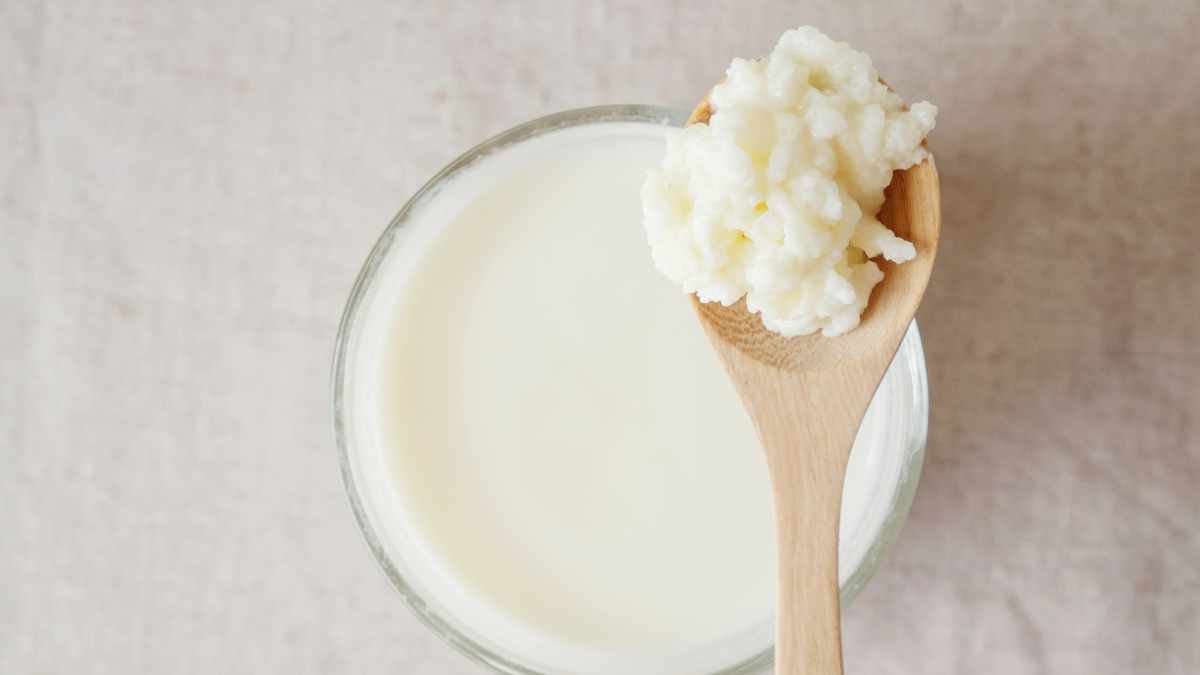
Kefir is a probiotic-rich beverage made by fermenting milk with kefir grains, which are a combination of bacteria and yeast. The fermentation process not only enhances the nutritional profile of the milk but also introduces beneficial microorganisms that support gut health. Regular consumption of kefir has been linked to improved digestion, enhanced immune function, and even potential anti-inflammatory effects.
The probiotics in kefir, such as Lactobacillus and Bifidobacterium species, help maintain a balanced gut microbiota. This balance is crucial for digestive health, as it can prevent the overgrowth of harmful bacteria and support the absorption of nutrients. Additionally, kefir contains bioactive compounds like peptides and polysaccharides that may have antimicrobial properties.
Kefir is also a good source of essential nutrients, including calcium, vitamin D, and B vitamins. These nutrients play vital roles in bone health, energy metabolism, and overall well-being. The fermentation process can also break down lactose, making kefir a suitable option for individuals with lactose intolerance.
Moreover, kefir has been studied for its potential role in weight management. Some research suggests that the probiotics in kefir can influence metabolism and appetite regulation, potentially aiding in weight loss efforts. However, more research is needed to fully understand these effects.
The anti-inflammatory properties of kefir are another area of interest. Chronic inflammation is linked to various health conditions, including heart disease and diabetes. Some studies indicate that kefir may help reduce markers of inflammation, although more research is necessary to confirm these findings.
Finally, kefir’s potential to support mental health is an emerging field of study. The gut-brain axis, a complex communication network between the gut and the brain, is influenced by gut microbiota. By promoting a healthy gut microbiome, kefir may have a positive impact on mental health, including reducing symptoms of anxiety and depression.
Key Factors in Kefir Safety and Quality
Ensuring the safety and quality of kefir starts with understanding the key factors that influence these aspects. One of the primary considerations is the cleanliness of the equipment used in the fermentation process. Contaminated equipment can introduce harmful pathogens into the kefir, posing health risks.
Another critical factor is the quality of the milk used. Raw milk, while popular among some kefir enthusiasts, carries a higher risk of contamination with harmful bacteria like E. coli and Salmonella. Using pasteurized milk can significantly reduce these risks, as the pasteurization process kills most harmful pathogens.
The kefir grains themselves must also be of high quality. Over time, kefir grains can become contaminated or lose their potency. Regularly inspecting and refreshing your kefir grains can help maintain the quality of your kefir. It’s advisable to source your kefir grains from reputable suppliers who adhere to strict quality control measures.
Temperature control during fermentation is another crucial aspect. Kefir should be fermented at a consistent temperature, typically between 20-25°C (68-77°F). Fluctuations in temperature can affect the fermentation process and potentially lead to the growth of unwanted microorganisms. Using a thermometer to monitor the temperature can help ensure a safe fermentation environment.
The duration of fermentation also plays a role in kefir safety. Over-fermentation can lead to an overly acidic product, which may not be palatable and could potentially harbor harmful bacteria. It’s essential to follow recommended fermentation times, usually between 24 to 48 hours, to achieve a balance between safety and flavor.
Lastly, proper handling and hygiene practices are vital throughout the entire process. Washing hands thoroughly before handling kefir grains and milk, using clean utensils, and avoiding cross-contamination with other foods can all contribute to the safety and quality of your kefir.
Selecting High-Quality Kefir Ingredients
The foundation of safe and high-quality kefir lies in the selection of ingredients. The primary ingredient, milk, should be chosen with care. Opt for milk that is fresh and free from additives. Organic milk is often preferred as it is free from pesticides and antibiotics, which can affect the fermentation process.
When choosing milk, consider its fat content. Whole milk produces a creamier kefir, while low-fat or skim milk results in a lighter texture. The choice depends on personal preference, but it’s essential to ensure that the milk is fresh and has not been sitting on the shelf for too long.
Kefir grains are the next crucial ingredient. These grains are a symbiotic culture of bacteria and yeast (SCOBY) that initiate the fermentation process. It’s important to source kefir grains from reputable suppliers who provide high-quality, active grains. Avoid using dehydrated or old grains, as they may not ferment the milk effectively.
Water quality also matters, especially if you are using water to rinse your kefir grains. Tap water can contain chlorine and other chemicals that may harm the kefir grains. Using filtered or spring water is a better option to ensure the health and vitality of the grains.
If you are experimenting with flavored kefir, the quality of additional ingredients such as fruits, herbs, or sweeteners is equally important. Use fresh, organic fruits and herbs to avoid introducing pesticides or other contaminants into your kefir. Natural sweeteners like honey or maple syrup can be used, but they should be added after fermentation to prevent interference with the fermentation process.
Lastly, consider the containers and utensils used in the kefir-making process. Glass jars are ideal for fermentation as they do not react with the acidic environment of fermenting kefir. Avoid using metal utensils, as they can react with the kefir grains and affect their efficacy. Plastic containers should be food-grade and free from harmful chemicals like BPA.
Proper Fermentation Techniques for Kefir
Achieving safe and high-quality kefir requires adherence to proper fermentation techniques. The first step is to prepare your fermentation vessel. A clean, sterilized glass jar is ideal for fermenting kefir. Ensure that the jar is thoroughly washed and free from any soap residue, as this can affect the fermentation process.
Next, add the kefir grains to the jar. The ratio of kefir grains to milk is typically one tablespoon of grains per cup of milk. Adjust the quantity based on the volume of kefir you wish to produce. Pour the milk over the grains, ensuring that they are fully submerged.
Cover the jar with a breathable cloth or paper towel secured with a rubber band. This allows air to circulate while keeping contaminants out. Place the jar in a warm, draft-free area where the temperature remains consistent. The ideal temperature for fermentation is between 20-25°C (68-77°F).
During fermentation, it’s important to monitor the progress. The milk will thicken and develop a tangy flavor as it ferments. Stirring the kefir gently once or twice during fermentation can help distribute the grains evenly and promote consistent fermentation. Avoid using metal utensils, as they can react with the kefir grains.
The fermentation time can vary depending on the ambient temperature and the desired flavor. Typically, kefir is ready within 24 to 48 hours. A shorter fermentation time results in a milder flavor, while a longer fermentation produces a tangier taste. Taste the kefir periodically to determine when it has reached your preferred flavor profile.
Once fermentation is complete, strain the kefir to separate the grains from the liquid. Use a plastic or stainless steel strainer to avoid damaging the grains. The strained kefir can be consumed immediately or stored in the refrigerator. The kefir grains can be reused for the next batch of kefir. Rinse them gently with filtered water before starting the next fermentation cycle.
Identifying Signs of Contaminated Kefir
Ensuring the safety of your kefir involves being able to identify signs of contamination. One of the most obvious indicators is an off-putting smell. While kefir naturally has a tangy and slightly yeasty aroma, a sour, rotten, or overly pungent smell can indicate spoilage or contamination.
The appearance of the kefir can also provide clues about its safety. Healthy kefir should have a creamy, slightly thickened consistency. If you notice any discoloration, such as a pink, green, or black hue, this could be a sign of mold or bacterial contamination. Additionally, the presence of unusual textures, such as sliminess or excessive separation, can indicate that the kefir is not safe to consume.
Taste is another important factor. Kefir should have a tangy, slightly effervescent flavor. If it tastes overly sour, bitter, or has an off-flavor, it may be contaminated. Trust your senses; if the kefir doesn’t taste right, it’s better to discard it.
Another sign of contamination is the presence of visible mold or yeast growth on the surface of the kefir or the kefir grains. Mold can appear as fuzzy, discolored patches, while unwanted yeast may form a film on the surface. If you observe any of these signs, it’s crucial to discard the entire batch, including the kefir grains, to prevent the spread of contamination.
Bubbles and carbonation are normal in kefir, but excessive bubbling or the presence of unusual gases can indicate contamination. If the kefir becomes overly fizzy or produces an unusual amount of gas, it may be a sign that harmful bacteria or yeast have taken over the fermentation process.
Finally, pay attention to any adverse reactions after consuming kefir. If you experience symptoms such as stomach cramps, nausea, vomiting, or diarrhea, it could be a sign that the kefir was contaminated. In such cases, it’s important to stop consuming the kefir and seek medical advice if necessary.
Storing Kefir Safely to Maintain Freshness
Proper storage is essential to maintain the freshness and safety of your kefir. Once fermentation is complete, transfer the strained kefir to a clean, airtight container. Glass jars with tight-fitting lids are ideal for storing kefir, as they prevent air from entering and reduce the risk of contamination.
Refrigeration is key to preserving the quality of kefir. Store the kefir in the refrigerator at a temperature between 1-4°C (34-39°F). Cold temperatures slow down the fermentation process and inhibit the growth of harmful bacteria, ensuring that the kefir remains safe to drink for an extended period.
It’s important to consume the kefir within a reasonable timeframe to enjoy its optimal flavor and nutritional benefits. Typically, homemade kefir can be stored in the refrigerator for up to two weeks. However, the taste and texture may change over time, becoming more sour and thicker. If you notice any signs of spoilage, such as an off smell or unusual appearance, discard the kefir.
If you have a surplus of kefir, consider freezing it for longer storage. Pour the kefir into ice cube trays or freezer-safe containers, leaving some space for expansion. Frozen kefir can be stored for up to three months. Thaw the kefir in the refrigerator before consuming, and give it a good shake or stir to restore its consistency.
To store kefir grains between batches, place them in a small amount of milk in a clean container. Cover the container with a lid and store it in the refrigerator. The cold temperature will slow down the fermentation process, allowing the grains to remain viable for up to a week. If you need to store the grains for a longer period, consider freezing them in milk or water.
Regularly check the condition of your stored kefir and kefir grains. If you notice any signs of spoilage or contamination, such as mold growth or an off smell, discard the affected kefir and grains. Maintaining good hygiene practices and proper storage conditions will help ensure the safety and quality of your kefir.
Conclusion:
Ensuring that your kefir is safe to drink involves a combination of selecting high-quality ingredients, adhering to proper fermentation techniques, and vigilant storage practices. By understanding the key factors that influence kefir safety and quality, you can enjoy the numerous health benefits of this probiotic-rich beverage without compromising on safety. Regularly monitoring your kefir for signs of contamination and following best practices for storage will help you maintain its freshness and nutritional value.
Read More…
- Kefir: The Not-Quite-Paleo Superfood – Healthline provides an in-depth look at the nutritional benefits and potential health impacts of kefir.
- Fermented Foods: Kefir – WebMD offers a comprehensive guide on the health benefits and safety considerations of fermented foods, including kefir.
- Probiotics in Fermented Foods – This scientific article from the National Institutes of Health explores the role of probiotics in fermented foods and their health benefits.
- Food Safety and Fermentation – The U.S. Food and Drug Administration provides guidelines on ensuring the safety of fermented foods.
- The Science of Fermentation – Scientific American delves into the science behind fermentation and the factors that influence the safety and quality of fermented products like kefir.