

Introduction:
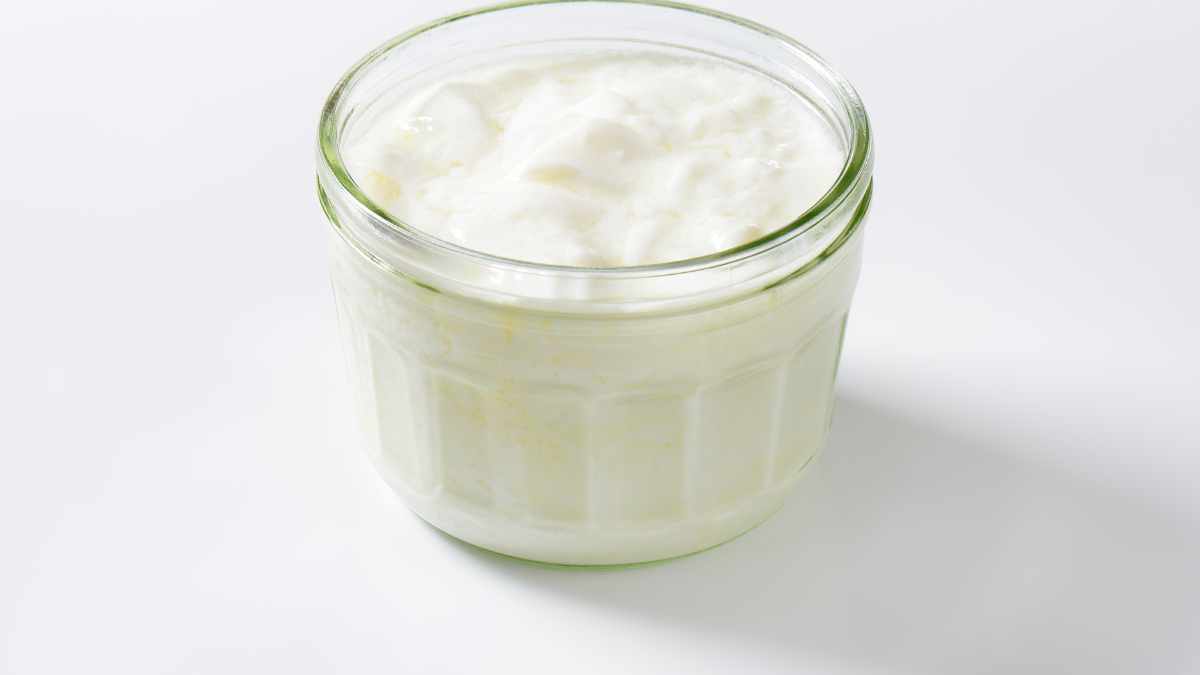
Kefir is a fermented milk drink that has been cherished for centuries due to its numerous health benefits. Originating from the Caucasus Mountains, this probiotic-rich beverage is known for its tangy flavor and creamy texture. Making kefir at home not only allows you to enjoy a fresh and nutritious drink but also ensures that you have full control over the fermentation process. This technical guide will walk you through the essential steps and equipment needed to successfully ferment kefir at home, ensuring a high-quality product every time.
Understanding Kefir: A Comprehensive Overview
Kefir is a cultured dairy product made by fermenting milk with kefir grains. These grains are a symbiotic culture of bacteria and yeast (SCOBY) that work together to ferment the milk, resulting in a drink rich in probiotics, vitamins, and minerals. The fermentation process breaks down lactose, making kefir suitable for many lactose-intolerant individuals.
The primary microorganisms involved in kefir fermentation include Lactobacillus, Lactococcus, and Saccharomyces species. These beneficial bacteria and yeasts contribute to the unique flavor and health benefits of kefir. The fermentation process also produces lactic acid, which gives kefir its characteristic tangy taste.
Kefir is not only a delicious beverage but also a potent source of probiotics, which are beneficial for gut health. Regular consumption of kefir can improve digestion, boost the immune system, and even enhance mental health due to the gut-brain connection. Moreover, kefir contains bioactive compounds that have antimicrobial and anti-inflammatory properties.
Understanding the science behind kefir fermentation is crucial for achieving consistent results. The balance of bacteria and yeast in the kefir grains, the fermentation time, and the temperature all play significant roles in the final product. By mastering these variables, you can produce high-quality kefir that meets your taste preferences and nutritional needs.
Kefir can be made from various types of milk, including cow, goat, and sheep milk. Non-dairy alternatives such as coconut milk, almond milk, and soy milk can also be used, although the fermentation process may differ slightly. Each type of milk imparts its own unique flavor and texture to the kefir, allowing for a wide range of taste experiences.
In summary, kefir is a versatile and health-promoting beverage that can be easily made at home. By understanding the fundamental principles of kefir fermentation, you can enjoy a fresh and nutritious drink that supports overall well-being.
Essential Equipment for Making Kefir at Home
To make kefir at home, you will need a few essential pieces of equipment. These tools are readily available and relatively inexpensive, making home fermentation accessible to everyone. The following list outlines the necessary equipment for successful kefir production.
First and foremost, you will need a glass jar or container to hold the milk and kefir grains during fermentation. Glass is preferred over plastic or metal as it is non-reactive and does not interfere with the fermentation process. A quart-sized jar is ideal for small batches, while larger containers can be used for increased production.
A plastic or wooden spoon is essential for stirring the kefir grains and milk. Metal utensils should be avoided as they can react with the acidic kefir, potentially harming the grains. A plastic or wooden spoon ensures that the grains remain healthy and active.
A breathable cover, such as a coffee filter or cheesecloth, is necessary to protect the fermenting kefir from contaminants while allowing air to circulate. Secure the cover with a rubber band to keep it in place. This setup prevents dust and insects from entering the jar while enabling the necessary airflow for fermentation.
A fine-mesh plastic strainer is crucial for separating the kefir grains from the finished kefir. Metal strainers should be avoided for the same reasons as metal spoons. A plastic strainer ensures that the grains remain intact and ready for the next batch.
A thermometer can be helpful for monitoring the fermentation temperature. Kefir grains thrive in a temperature range of 68-78°F (20-25°C). Maintaining this temperature range ensures optimal fermentation and prevents the growth of undesirable microorganisms.
Finally, a clean and organized workspace is essential for making kefir at home. Ensure that all equipment is thoroughly cleaned and sanitized before use to prevent contamination. A clutter-free workspace allows for efficient and safe kefir production.
Selecting and Preparing Kefir Grains
Kefir grains are the heart of the fermentation process, and selecting high-quality grains is crucial for successful kefir production. These grains can be obtained from online retailers, health food stores, or fellow kefir enthusiasts. When selecting kefir grains, look for plump, translucent grains that are free from discoloration or off odors.
Before using kefir grains for the first time, they need to be rehydrated and activated. If you have received dehydrated grains, place them in a small amount of milk and allow them to rehydrate for 24-48 hours at room temperature. This process wakes up the dormant microorganisms and prepares them for fermentation.
Once the grains are rehydrated, they should be rinsed gently with non-chlorinated water to remove any residual milk. Chlorinated water can harm the beneficial bacteria and yeast in the grains, so it is essential to use filtered or bottled water. After rinsing, the grains are ready to be used for fermentation.
If you have received fresh kefir grains, they can be used immediately without the need for rehydration. However, it is still a good practice to rinse them with non-chlorinated water before use. Fresh grains should be plump, slightly rubbery, and have a mild, yeasty smell.
The quantity of kefir grains needed for fermentation depends on the amount of milk being used. A general guideline is to use one tablespoon of kefir grains per cup of milk. This ratio ensures a balanced fermentation process and produces a well-textured kefir.
Proper care and maintenance of kefir grains are essential for their longevity and effectiveness. After each fermentation cycle, rinse the grains with non-chlorinated water and store them in a small amount of milk in the refrigerator if not immediately reusing them. This practice keeps the grains healthy and ready for the next batch.
Step-by-Step Process to Ferment Kefir
Fermenting kefir at home is a straightforward process that involves a few simple steps. By following this step-by-step guide, you can produce delicious and nutritious kefir with ease.
-
Prepare the Milk: Start by selecting the type of milk you wish to use. Pour the desired amount of milk into a clean glass jar, leaving some space at the top to allow for expansion during fermentation. Whole milk is preferred for its rich flavor and creamy texture, but low-fat or non-dairy alternatives can also be used.
-
Add the Kefir Grains: Add the appropriate amount of kefir grains to the milk, using the ratio of one tablespoon of grains per cup of milk. Stir gently with a plastic or wooden spoon to ensure the grains are evenly distributed throughout the milk.
-
Cover the Jar: Cover the jar with a breathable material, such as a coffee filter or cheesecloth, and secure it with a rubber band. This setup allows air to circulate while protecting the fermenting kefir from contaminants.
-
Ferment at Room Temperature: Place the jar in a warm, draft-free area with a temperature range of 68-78°F (20-25°C). Allow the kefir to ferment for 24-48 hours, depending on your taste preferences. A shorter fermentation time results in a milder flavor, while a longer fermentation produces a tangier kefir.
-
Strain the Kefir: After the desired fermentation time, use a fine-mesh plastic strainer to separate the kefir grains from the finished kefir. Gently stir the kefir with a plastic or wooden spoon to help the liquid pass through the strainer. The grains can be reused for the next batch.
-
Store the Kefir: Transfer the strained kefir to a clean glass jar or bottle and store it in the refrigerator. Kefir can be consumed immediately or allowed to chill for a few hours to enhance its flavor. The finished kefir can be stored in the refrigerator for up to one week.
By following these steps, you can produce high-quality kefir that is rich in probiotics and beneficial nutrients. Experiment with different fermentation times and types of milk to find the perfect kefir for your taste preferences.
Troubleshooting Common Kefir Issues
While making kefir at home is generally straightforward, you may encounter some common issues during the fermentation process. Understanding how to troubleshoot these problems ensures that you produce a high-quality kefir every time.
One common issue is slow or incomplete fermentation. If your kefir is not thickening or developing its characteristic tangy flavor, the temperature may be too low. Ensure that the fermentation area is within the optimal temperature range of 68-78°F (20-25°C). Additionally, check the health of your kefir grains; they should be plump and slightly rubbery. If the grains appear unhealthy, they may need to be refreshed or replaced.
Over-fermentation can result in kefir that is too sour or separated into curds and whey. To prevent this, monitor the fermentation time closely and taste the kefir periodically. If over-fermentation occurs, strain the kefir grains and refrigerate the kefir immediately. The separated kefir can still be consumed or used in recipes that call for sour milk.
Contamination is another potential issue. If your kefir develops an off smell, unusual color, or mold, it is likely contaminated and should be discarded. To prevent contamination, ensure that all equipment is thoroughly cleaned and sanitized before use. Use non-chlorinated water for rinsing the grains and maintain a clean workspace.
If your kefir grains are not growing or multiplying, they may be stressed or lacking nutrients. Ensure that you are using fresh, high-quality milk and consider adding a small amount of cream to the milk to provide additional nutrients. If the grains still do not grow, they may need to be refreshed by soaking them in fresh milk for a few days.
Sometimes, kefir can develop a yeasty or alcoholic taste. This issue is often caused by an imbalance between the bacteria and yeast in the kefir grains. To correct this, reduce the fermentation time and ensure that the grains are not overcrowded in the milk. Using a higher ratio of milk to grains can help restore the balance.
By addressing these common issues, you can maintain healthy kefir grains and produce consistently delicious kefir. Regular monitoring and proper care of the grains are key to successful kefir fermentation.
Storing and Maintaining Your Kefir Grains
Proper storage and maintenance of kefir grains are essential for their longevity and effectiveness. By following these guidelines, you can keep your kefir grains healthy and active for continuous kefir production.
After each fermentation cycle, rinse the kefir grains gently with non-chlorinated water to remove any residual milk. This practice helps prevent the buildup of unwanted bacteria and yeast. Once rinsed, the grains can be used immediately for the next batch of kefir or stored for later use.
If you do not plan to make kefir immediately, store the grains in a small amount of milk in a clean glass jar. Cover the jar with a lid and place it in the refrigerator. The cold temperature slows down the fermentation process, allowing the grains to be stored for up to two weeks. For longer storage, consider freezing the grains in a small amount of milk.
To freeze kefir grains, place the rinsed grains in a small container with enough milk to cover them. Seal the container and place it in the freezer. Frozen kefir grains can be stored for several months. When ready to use, thaw the grains in the refrigerator and refresh them by soaking in fresh milk for 24-48 hours.
If your kefir grains become contaminated or show signs of stress, they may need to be refreshed. To do this, place the grains in a small amount of fresh milk and allow them to ferment at room temperature for 24-48 hours. Repeat this process with fresh milk daily until the grains regain their health and activity.
Regularly feeding your kefir grains with fresh milk is crucial for their health. If you are not making kefir frequently, consider giving the grains a fresh milk bath every few days to keep them active. This practice ensures that the grains receive the necessary nutrients to thrive.
By following these storage and maintenance guidelines, you can keep your kefir grains healthy and productive. Proper care of the grains ensures a continuous supply of high-quality kefir for your enjoyment.
Conclusion:
Making kefir at home is a rewarding and straightforward process that offers numerous health benefits. By understanding the principles of kefir fermentation and following the steps outlined in this guide, you can produce delicious and nutritious kefir with ease. Proper care and maintenance of kefir grains ensure their longevity and effectiveness, allowing you to enjoy fresh kefir for years to come. Whether you are a seasoned kefir enthusiast or a beginner, this technical guide provides the knowledge and tools needed for successful kefir production.
Read More…
-
Kefir Grains: An In-Depth Look
- This resource provides detailed information on the composition and health benefits of kefir grains.
-
Fermentation Basics: Temperature and Time
- A comprehensive guide on the importance of temperature and time in the fermentation process.
-
Troubleshooting Kefir Issues
- An extensive troubleshooting guide for common kefir fermentation problems.
-
Storing and Reviving Kefir Grains
- Detailed instructions on how to store and revive kefir grains for continuous use.
-
- An article highlighting the various health benefits associated with regular kefir consumption.