

Introduction:
Kefir, a fermented milk drink with origins in the Caucasus Mountains, has gained immense popularity due to its probiotic benefits and rich, tangy flavor. The fermentation process is crucial in determining the quality and health benefits of kefir. Understanding the optimal fermentation time for kefir can significantly enhance its taste, texture, and nutritional value. This article delves into the various aspects of kefir fermentation, including the basics, influencing factors, ideal temperature, pH monitoring, signs of proper fermentation, and troubleshooting common issues.
Understanding Kefir Fermentation Basics
Kefir fermentation is a complex biochemical process involving the activity of various microorganisms, primarily lactic acid bacteria and yeast. These microorganisms metabolize the lactose in milk, producing lactic acid, carbon dioxide, and ethanol, which contribute to kefir’s unique flavor and texture. The fermentation process not only enhances the nutritional profile of milk but also makes it easier to digest, especially for those with lactose intolerance.
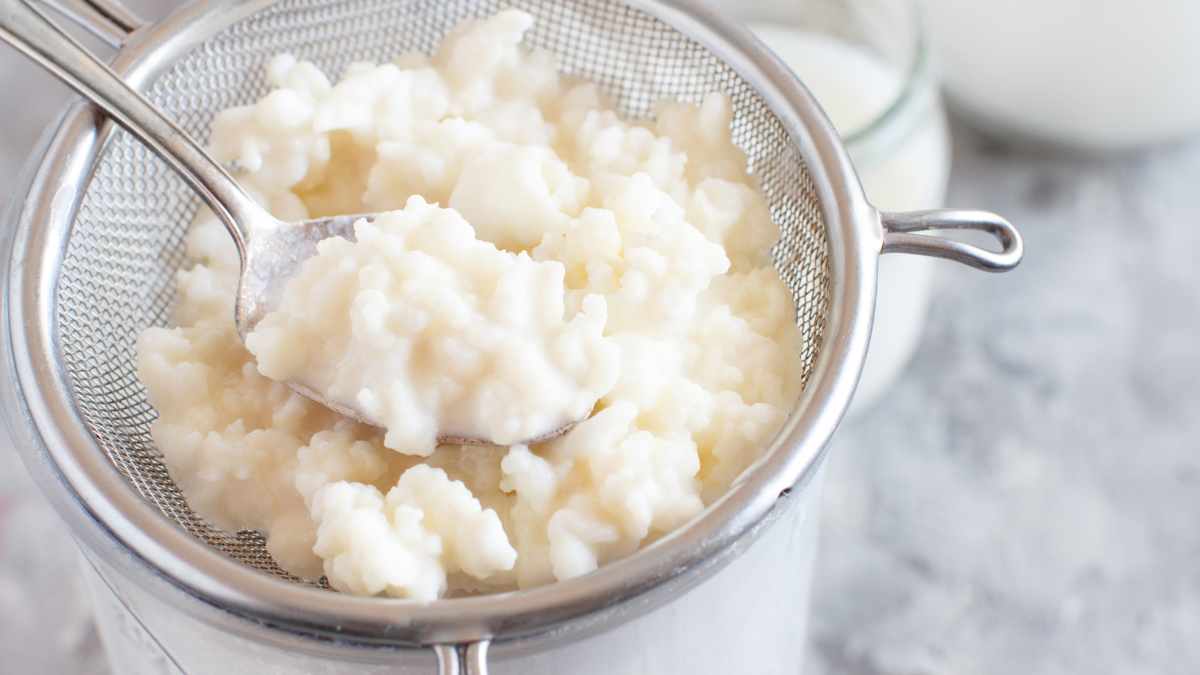
The fermentation process begins when kefir grains, a symbiotic culture of bacteria and yeast (SCOBY), are added to milk. The grains contain a diverse community of microorganisms that work synergistically to ferment the milk. The duration of fermentation can vary depending on several factors, which will be discussed in subsequent sections.
During fermentation, the microorganisms break down lactose into simpler sugars, which are then converted into lactic acid. This acidification process lowers the pH of the milk, creating an environment that inhibits the growth of harmful bacteria while promoting the growth of beneficial probiotics. The result is a tangy, slightly effervescent beverage with numerous health benefits.
The texture of kefir can range from smooth and creamy to slightly grainy, depending on the fermentation time and the type of milk used. The presence of carbon dioxide produced by yeast can also give kefir a slight fizziness, adding to its unique sensory profile.
Understanding the basics of kefir fermentation is essential for achieving the desired taste and texture. By controlling the fermentation time and conditions, you can produce a consistent and high-quality product. In the following sections, we will explore the factors that influence fermentation time and how to optimize them for the best results.
Factors Influencing Kefir Fermentation Time
Several factors can influence the fermentation time of kefir, including the type of milk used, the ratio of kefir grains to milk, ambient temperature, and the specific strains of microorganisms present in the kefir grains. Each of these factors can significantly impact the rate of fermentation and the final quality of the kefir.
The type of milk used can affect the fermentation time and the final product’s taste and texture. Whole milk, for example, tends to produce a creamier kefir with a richer flavor, while low-fat or skim milk may result in a thinner consistency. Non-dairy milks, such as coconut or almond milk, can also be used, but they may require different fermentation times and may not produce the same probiotic profile as dairy milk.
The ratio of kefir grains to milk is another crucial factor. A higher concentration of kefir grains will generally result in a faster fermentation process, as more microorganisms are available to metabolize the lactose. Conversely, a lower concentration of grains will slow down the fermentation process, potentially leading to a milder flavor and smoother texture.
Ambient temperature plays a significant role in the fermentation process. Kefir grains thrive in a temperature range of 20-25°C (68-77°F). Higher temperatures can accelerate the fermentation process, while lower temperatures can slow it down. Maintaining a consistent temperature is essential for producing a consistent and high-quality product.
The specific strains of microorganisms present in the kefir grains can also influence the fermentation time. Different strains of bacteria and yeast have varying metabolic rates and can produce different byproducts, affecting the flavor, texture, and nutritional profile of the kefir. Using high-quality, active kefir grains can help ensure a successful fermentation process.
Finally, the duration of fermentation can be adjusted based on personal preference. Some people prefer a shorter fermentation time for a milder, sweeter kefir, while others may opt for a longer fermentation period to achieve a tangier, more robust flavor. Experimenting with different fermentation times can help you find the perfect balance for your taste preferences.
Ideal Temperature for Kefir Fermentation
Temperature is a critical factor in the fermentation process of kefir. The microorganisms in kefir grains are highly sensitive to temperature changes, which can significantly impact their metabolic activity and, consequently, the fermentation rate and final product quality.
The optimal temperature range for kefir fermentation is between 20-25°C (68-77°F). Within this range, the lactic acid bacteria and yeast in the kefir grains are most active, efficiently converting lactose into lactic acid and other byproducts. This temperature range ensures a balanced fermentation process, producing a kefir with a pleasant tangy flavor and smooth texture.
Fermenting kefir at temperatures above 25°C (77°F) can accelerate the fermentation process, leading to a quicker acidification of the milk. While this can be beneficial in reducing fermentation time, it can also result in a more sour and less palatable product. Additionally, higher temperatures can increase the risk of over-fermentation, where the kefir becomes overly acidic and separates into curds and whey.
Conversely, fermenting kefir at temperatures below 20°C (68°F) can slow down the fermentation process, resulting in a milder flavor and potentially a thinner consistency. While this can be desirable for some, it may also prolong the fermentation time, requiring more careful monitoring to ensure the kefir does not spoil.
Maintaining a consistent temperature is crucial for producing high-quality kefir. Fluctuations in temperature can disrupt the metabolic activity of the microorganisms, leading to inconsistent fermentation results. Using a temperature-controlled environment, such as an incubator or a warm spot in the kitchen, can help maintain the ideal temperature range for kefir fermentation.
In colder climates or during winter months, it may be necessary to use additional methods to maintain the optimal fermentation temperature. Wrapping the fermentation vessel in a towel or placing it in a warm water bath can help keep the temperature within the desired range. Conversely, in hotter climates, placing the fermentation vessel in a cool, shaded area can help prevent overheating.
Understanding the impact of temperature on kefir fermentation is essential for achieving the desired taste and texture. By maintaining the ideal temperature range, you can ensure a balanced and efficient fermentation process, resulting in a high-quality kefir with optimal flavor and nutritional benefits.
Monitoring pH Levels During Fermentation
Monitoring pH levels during kefir fermentation is an effective way to gauge the progress and ensure the quality of the final product. The pH level indicates the acidity of the kefir, which is directly related to the activity of the lactic acid bacteria and yeast in the kefir grains.
At the start of fermentation, the pH of milk is typically around 6.5 to 6.7. As the fermentation progresses, the lactic acid bacteria convert lactose into lactic acid, causing the pH to drop. A properly fermented kefir will generally have a pH level between 4.2 and 4.6, indicating a sufficiently acidic environment that promotes the growth of beneficial probiotics and inhibits harmful bacteria.
Using pH strips or a digital pH meter can help you monitor the acidity levels during fermentation. Regularly checking the pH can provide valuable insights into the fermentation process and help you determine the optimal fermentation time. For instance, if the pH drops too quickly, it may indicate that the fermentation is proceeding too rapidly, potentially leading to over-fermentation.
Maintaining a stable pH level is crucial for ensuring the safety and quality of kefir. If the pH level remains too high (above 4.6) after the expected fermentation time, it may indicate that the fermentation process is incomplete, and the kefir may not have developed its full probiotic potential. In such cases, extending the fermentation time or adjusting the temperature may be necessary.
Conversely, if the pH level drops too low (below 4.0), it can result in an overly acidic and sour kefir, which may not be palatable. Overly acidic kefir can also separate into curds and whey, affecting its texture and appearance. Monitoring the pH levels can help you avoid these issues and achieve a balanced fermentation.
In addition to pH monitoring, sensory evaluation (taste, smell, and texture) can also provide valuable information about the fermentation process. A properly fermented kefir should have a tangy, slightly effervescent taste, a pleasant aroma, and a smooth, creamy texture. Combining pH monitoring with sensory evaluation can help you produce consistently high-quality kefir.
Signs of Properly Fermented Kefir
Recognizing the signs of properly fermented kefir is essential for ensuring the quality and safety of the final product. Properly fermented kefir should exhibit specific characteristics in terms of taste, texture, aroma, and appearance.
One of the primary indicators of properly fermented kefir is its taste. A well-fermented kefir should have a tangy, slightly sour flavor, with a hint of effervescence due to the carbon dioxide produced by the yeast. The level of tanginess can vary depending on the fermentation time and temperature, but it should not be overly sour or bitter.
The texture of properly fermented kefir should be smooth and creamy, with a consistency similar to drinkable yogurt. While some graininess is acceptable, especially in homemade kefir, it should not be excessively lumpy or separated into curds and whey. If the kefir has separated, it may indicate over-fermentation or an imbalance in the fermentation conditions.
Aroma is another critical factor in assessing the quality of kefir. Properly fermented kefir should have a pleasant, slightly yeasty smell, with no off-putting or rancid odors. An unpleasant smell may indicate contamination or spoilage, and the kefir should be discarded in such cases.
The appearance of kefir can also provide clues about its fermentation status. Properly fermented kefir should have a uniform, slightly thickened consistency, with no visible mold or discoloration. The presence of mold or unusual colors may indicate contamination, and the kefir should not be consumed.
In addition to these sensory indicators, the pH level of the kefir can also help determine its fermentation status. As mentioned earlier, a properly fermented kefir should have a pH level between 4.2 and 4.6. Monitoring the pH levels can provide a more objective measure of the fermentation progress and help ensure the kefir is safe for consumption.
By recognizing these signs of properly fermented kefir, you can ensure that your kefir is of high quality, with optimal taste, texture, and nutritional benefits. Regularly monitoring the fermentation process and making adjustments as needed can help you achieve consistent and reliable results.
Troubleshooting Common Fermentation Issues
Despite best efforts, kefir fermentation can sometimes encounter issues that affect the quality and safety of the final product. Understanding common fermentation problems and how to troubleshoot them can help you produce consistently high-quality kefir.
One common issue is over-fermentation, where the kefir becomes overly sour and separates into curds and whey. This can occur if the fermentation time is too long or the temperature is too high. To prevent over-fermentation, monitor the fermentation process closely, check the pH levels regularly, and adjust the fermentation time and temperature as needed.
Under-fermentation is another common problem, where the kefir remains too mild and does not develop the desired tangy flavor. This can happen if the fermentation time is too short or the temperature is too low. Extending the fermentation time or increasing the ambient temperature can help achieve the desired level of fermentation.
Contamination is a significant concern in kefir fermentation, as it can introduce harmful bacteria or mold into the kefir. Signs of contamination include off-putting odors, unusual colors, or visible mold growth. To prevent contamination, ensure that all equipment and utensils are thoroughly cleaned and sanitized before use, and use high-quality, active kefir grains.
Another issue is the separation of kefir grains from the milk during fermentation. This can result in uneven fermentation and affect the texture and flavor of the kefir. To address this, gently stir the kefir grains into the milk at the start of fermentation and ensure they are evenly distributed. Using a proper ratio of kefir grains to milk can also help prevent separation.
If the kefir grains appear inactive or the fermentation process is sluggish, it may indicate that the grains need to be revitalized. This can be done by placing the grains in fresh milk and allowing them to ferment at the optimal temperature for a few days. Regularly feeding the grains with fresh milk and maintaining proper fermentation conditions can help keep them active and healthy.
By understanding and troubleshooting these common fermentation issues, you can improve the consistency and quality of your kefir. Regular monitoring and adjustments can help ensure a successful fermentation process and a high-quality final product.
Conclusion:
Optimal fermentation time for kefir is influenced by various factors, including the type of milk, the ratio of kefir grains to milk, ambient temperature, and the specific strains of microorganisms present in the kefir grains. By understanding these factors and monitoring the fermentation process closely, you can achieve a high-quality kefir with the desired taste, texture, and nutritional benefits. Regularly checking pH levels and recognizing the signs of properly fermented kefir can help ensure the safety and quality of the final product. Troubleshooting common fermentation issues can further improve the consistency and reliability of your kefir-making process.
Read More…
- Kefir: The Champagne of Dairy – This article provides an in-depth look at the microbiological and nutritional aspects of kefir.
- Fermented Foods and Probiotic Benefits – A comprehensive overview of the health benefits associated with fermented foods, including kefir.
- Home Fermentation: A Guide to Making Kefir – A practical guide on how to make kefir at home, including troubleshooting tips.
- Impact of Temperature on Fermentation – An academic study on how temperature affects the fermentation process of various foods.
- Probiotic Potential of Kefir – A scientific review of the probiotic properties of kefir and its health implications.